Recreate a famous piece of art in your own style
Choose a famous painting and recreate it in your own style using drawing or collage materials, experimenting with color, shape, and texture.


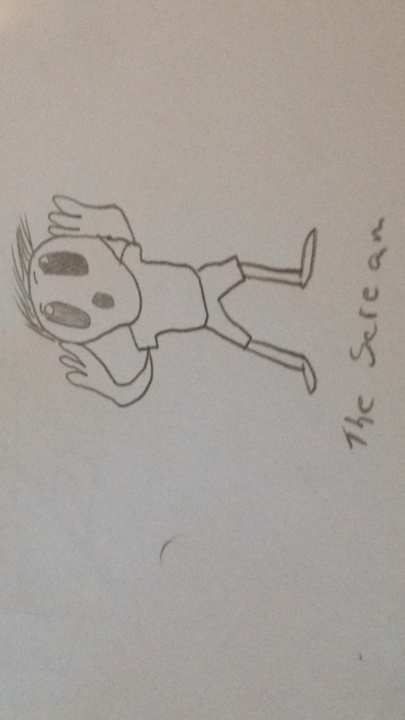

Step-by-step guide to recreate a famous painting in your own style
RECREATING FAMOUS PAINTINGS IN MY STYLE (with a modern twist)
Step 1
Pick a famous painting you want to recreate.
Step 2
Find a clear picture of that painting to study.
Step 3
Look closely at the picture to notice its main shapes and colors.
Step 4
Choose three details from the painting that you like most.
Step 5
Decide whether you will draw your version or make a collage.
Step 6
Gather the supplies you need for your chosen method onto your workspace.
Step 7
Lightly sketch the main composition and big shapes on your paper or board.
Step 8
Choose a color palette inspired by the painting.
Step 9
Pick one fun change to make the piece your own like brighter colors or new patterns.
Step 10
If you are making a collage cut the shapes and pieces you will use from magazines and materials.
Step 11
If you are drawing test colors and marks on a scrap paper before using them on your artwork.
Step 12
Fill in the large areas with color or glue down the big collage pieces.
Step 13
Add smaller details to bring important areas to life.
Step 14
Sign your name on the artwork and write a short title.
Step 15
Share your finished creation on DIY.org
Help!?
What can I use instead of magazines, acrylic paint, or a heavy art board if I can't find them?
Use colored construction paper, fabric scraps, old greeting cards or cereal box cardboard for collage and crayons, markers, or tempera on sturdy printer paper as substitutes when you 'Gather the supplies' and follow the 'If you are making a collage' step.
My sketch looks wrong or my collage pieces won't stick—how can I fix these problems?
Lighten and correct proportions during the 'Lightly sketch the main composition' step, 'test colors and marks on a scrap paper before using them,' and secure collage pieces with stronger adhesives like school glue plus tape or a glue stick.
How can I change the activity for younger children or teens?
For younger kids, simplify by choosing one main shape, three pre-cut pieces and stickers for the 'Fill in the large areas' step, while teens can study the original closely, refine a color palette in 'Choose a color palette' and try bold pattern changes in 'Pick one fun change' before signing and sharing on DIY.org.
What are easy ways to personalize or make the recreated artwork more advanced?
Add texture with fabric, sand, or tissue layers and mixed media when you 'Add smaller details to bring important areas to life,' create a custom frame, write a short artist statement with your title, or make a series of variations using different color palettes before sharing on DIY.org.
Watch videos on how to recreate a famous painting in your own style
How to create a Henri Matisse collage for kids | Art Tales
4 Videos
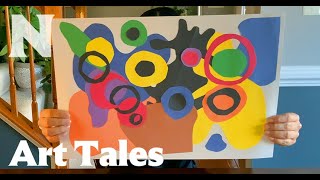
How to create a Henri Matisse collage for kids | Art Tales
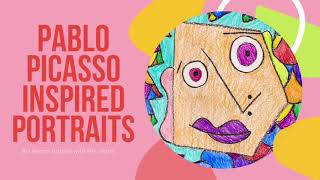
Abstract portraits in the style of Pablo Picasso art tutorial for kids
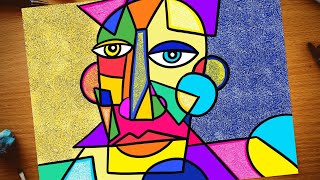
Cubism Picasso inspired portrait | Cubism art lesson for kids | How to draw Cubism face drawing
The 7 Elements of Art Explained: A Fun and Easy Guide for Kids! 🎨
Facts about painting and collage techniques for kids
🖼️ The Mona Lisa is surprisingly small — about 77 cm × 53 cm — and lives behind bulletproof glass in the Louvre.
🌌 The Starry Night was painted by Vincent van Gogh in 1889 while he was staying in an asylum and shows the view from his window.
⏳ The Persistence of Memory (1931) by Salvador Dalí features melting clocks and is only about 24 cm × 33 cm.
✂️ The word "collage" comes from the French verb coller meaning "to glue"; Picasso and Braque popularized it around 1912.
🎨 Pablo Picasso painted in many styles and helped co-found Cubism, a big shift in how artists showed shape and space.
How do you recreate a famous painting in your own style with a child?
What materials do I need to recreate a famous painting as a drawing or collage?
What ages is recreating famous paintings suitable for?
What are the benefits of having kids recreate famous artworks in their own style?
