Protect the wild
Build a simple bird feeder from recycled materials, plant native flowers, and create a mini habitat to attract and protect local wildlife.


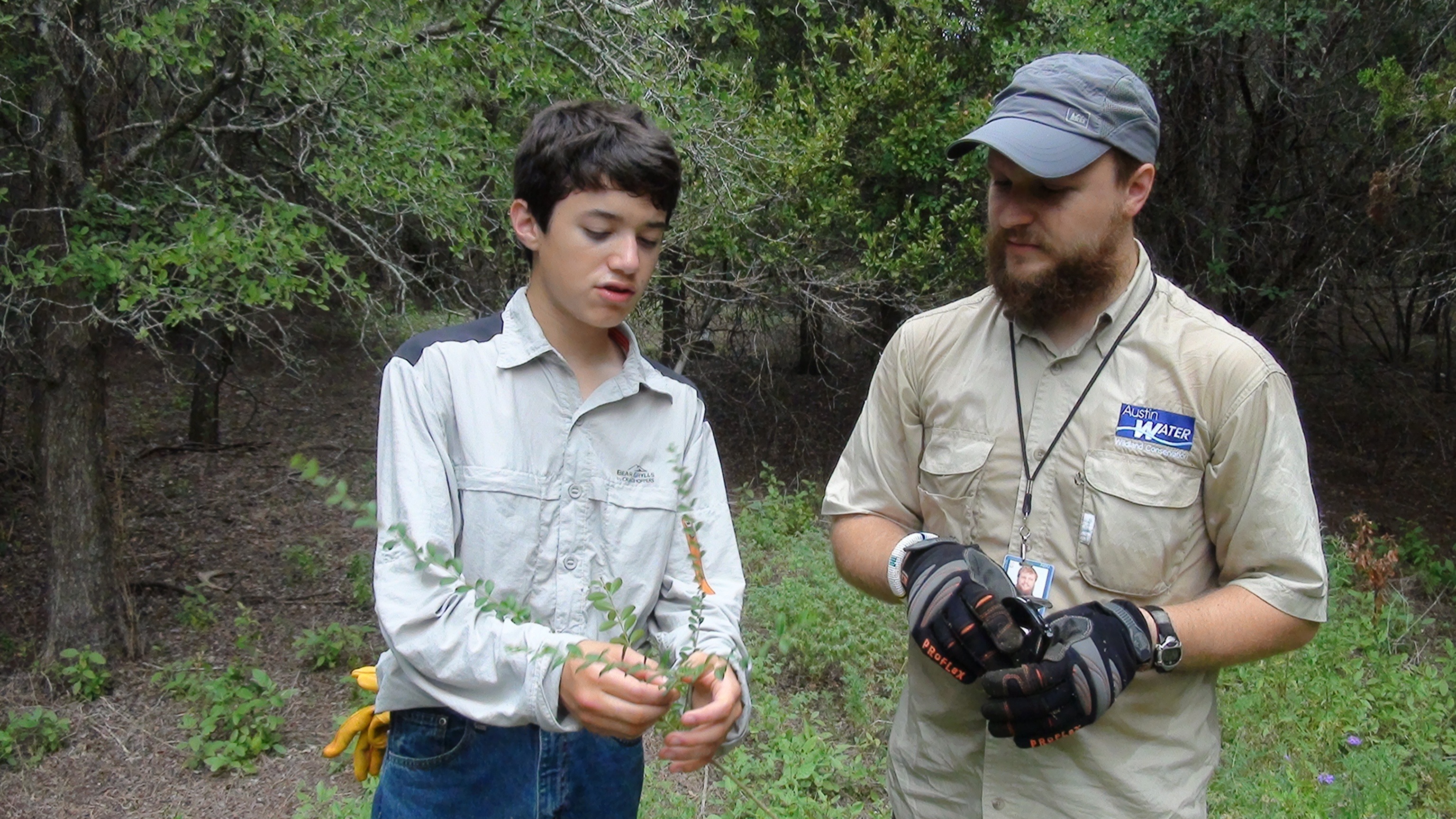

Step-by-step guide to Protect the wild
Wildlife Conservation - Habitat - Educational Video for Kids
Step 1
Choose a safe outdoor spot where birds can visit and you can hang the feeder.
Step 2
Rinse your recycled bottle or milk carton and peel off any labels.
Step 3
With adult help cut two small holes near the bottom across from each other for a perch.
Step 4
Push a wooden stick or spoon through the two bottom holes to make a perch.
Step 5
With adult help cut two small holes near the top of the bottle for the hanger.
Step 6
Thread string through the top holes and tie a loop so the feeder can hang.
Step 7
Wrap tape around any cut edges to make them smooth and safe.
Step 8
Pour birdseed into the feeder until it is partly full.
Step 9
Hang the feeder in the spot you chose.
Step 10
Fill your small pot or recycled container with potting soil placed on the tray or saucer.
Step 11
Sprinkle native flower seeds evenly on the soil surface.
Step 12
Gently cover the seeds with a thin layer of soil.
Step 13
Water the seeds gently until the soil is evenly damp.
Step 14
Arrange sticks leaves and small rocks around the pot to create a mini habitat and shelter for wildlife.
Step 15
Take a photo and share your finished creation on DIY.org
Help!?
What can we substitute if we don't have a recycled bottle, wooden stick, or string?
Use a clean milk carton or juice carton instead of a recycled bottle, a straight pencil, bamboo skewer, or sturdy twig as the wooden stick or spoon perch, and twine, thin wire, or a strip of cloth threaded through the top holes as the hanger.
My feeder keeps spilling seed or birds can't perch—what should I check and fix?
Check that the two small holes near the bottom are aligned and the perch (wooden stick, pencil, or spoon) is fully pushed through and level, wrap tape around any cut edges to smooth rough holes, and only pour birdseed until the feeder is partly full so seed doesn't pour out.
How can I adapt the activity for younger children or older kids?
For younger children have an adult pre-cut the two bottom and top holes and let them thread thick yarn, pour seed, and press stickers onto the clean bottle, while older kids can cut the holes with supervision, choose and plant different native flower seeds in the pot, and arrange sticks, leaves, and rocks themselves to build the habitat.
What are easy ways to enhance or personalize our bird feeder and mini habitat?
Decorate the bottle with non-toxic weatherproof paint or stickers before cutting, add drainage holes to the small pot and plant a mix of native flower seeds for longer blooms, place a saucer with fresh water near the habitat, and take a photo to share your finished creation on DIY.org.
Watch videos on how to Protect the wild
Wildlife Conservation | Explained in 3 Minutes #04
4 Videos

Wildlife Conservation | Explained in 3 Minutes #04
How to Take Care of the Environment - Save Environment (Learning Videos For Kids)
Wildlife Conservation for Kids | What Is Wildlife Conservation? | Twinkl USA
Amazing Animal Defenses: How Walruses, Turtles, Frogs & More Protect Themselves! | Little Fox
Facts about wildlife conservation for kids
🐦 A homemade bird feeder can attract neighborhood birds like sparrows, finches, and cardinals — sometimes dozens over a year!
🌱 Native plants provide the best food and shelter for local wildlife and usually need less water and care.
♻️ Turning a used bottle or milk carton into a feeder is a fun way to recycle and keep trash out of landfills.
🐝 Planting native flowers helps pollinators like bees, butterflies, and hummingbirds that help grow many fruits and vegetables.
🏡 Even a tiny mini-habitat with native plants, water, and shelter can make your backyard a safe home for lots of little creatures.
How do I do the 'Protect the Wild' activity with my child to build a bird feeder, plant native flowers, and create a mini habitat?
What materials do I need for the 'Protect the Wild' activity (bird feeder, native flowers, mini habitat)?
What ages is the 'Protect the Wild' activity suitable for?
What safety tips should I follow when doing the 'Protect the Wild' activity?
