Predict animal traits
Use colored beads or coin flips to model animal inheritance, predict offspring traits from parent pairs, record outcomes, and explain simple patterns.


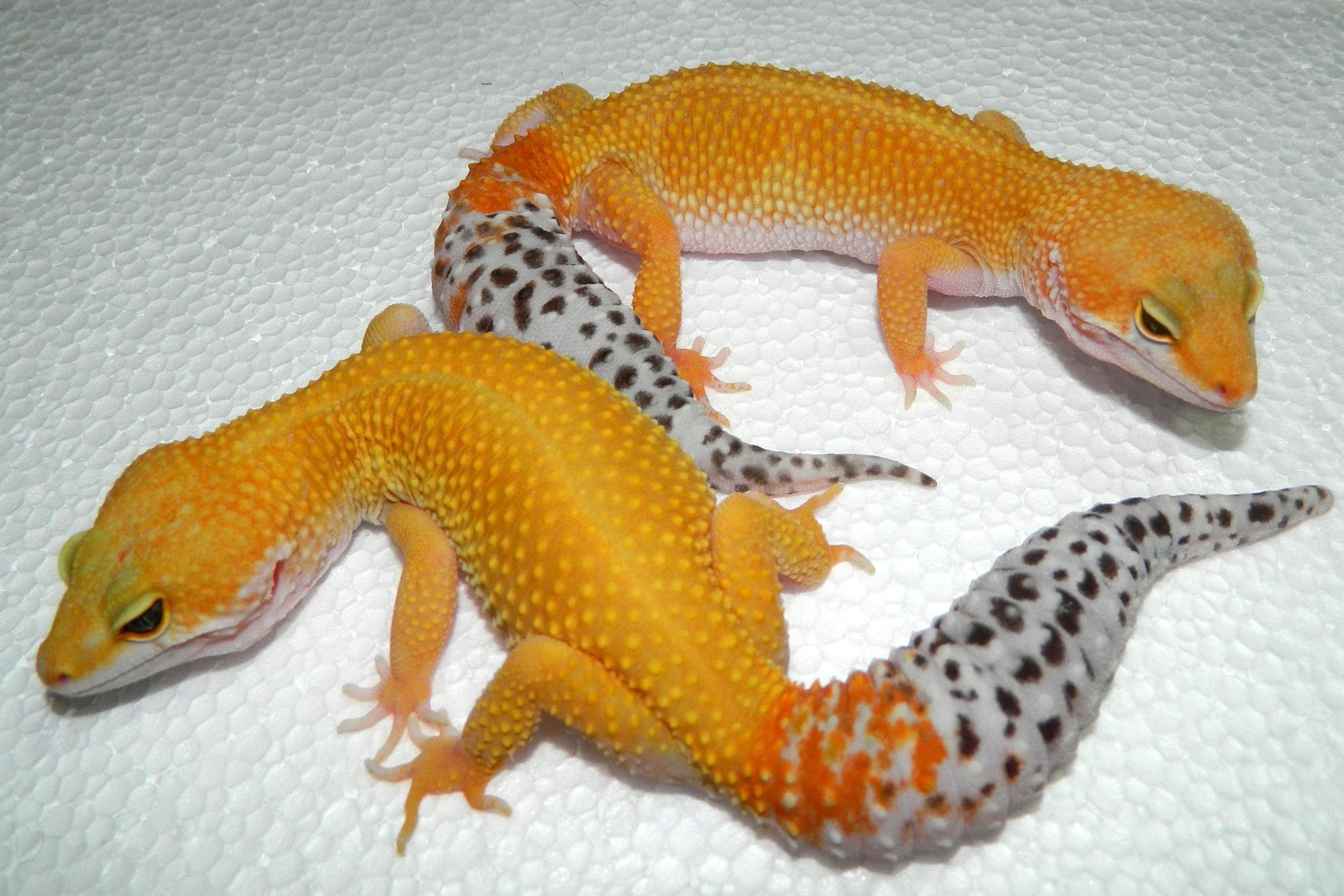

Step-by-step guide to predict animal traits
Animal Classification for Kids | Learn how to Classify Animals and the Animal Taxonomies
Step 1
Gather your materials and clear a flat table to work on.
Step 2
Pick one animal trait to model like fur color and decide which bead color or coin side is dominant and which is recessive.
Step 3
Create two parent genotypes by giving each parent two alleles: pick two beads for Parent A and two beads for Parent B or flip two coins for each parent.
Step 4
Label one cup Parent A and the other cup Parent B and put each parent’s two allele beads into its cup or set their coins in separate piles.
Step 5
Draw a simple 2x2 grid on your paper and list the four possible offspring allele pairings from the parents.
Step 6
Simulate one baby by drawing one bead from each parent’s cup at the same time or by flipping one coin for each parent.
Step 7
Write the two alleles you drew for that baby on your paper.
Step 8
Decide the baby’s visible trait from the alleles (dominant wins if present) and write that trait next to the alleles.
Step 9
Repeat Steps 6–8 nine more times to simulate a total of ten babies and record each result.
Step 10
Tally how many babies showed each trait by counting the recorded results.
Step 11
Write the totals on your paper so you can compare numbers easily.
Step 12
Compare the tallies to the predictions from your 2x2 grid and write one sentence explaining whether the pattern matched and why.
Step 13
Draw a small chart or picture showing the two parents and a few example babies with the percent or fraction of each trait you observed.
Step 14
Share your finished creation on DIY.org.
Help!?
What can we use instead of beads or coins if they're hard to find?
If beads or coins are unavailable, use colored paper slips, buttons, or two different stickers as alleles and put them into the labeled cups or small bowls from Step 3.
What should we do if beads get mixed up or a child accidentally draws both alleles from the same parent during the simulation?
If beads mix or a child draws twice from one parent during Step 6, stop, return each parent's alleles to their labeled Parent A and Parent B cups from Step 3, then redraw one bead from each cup and write the alleles on your paper in Step 7.
How can we adapt the activity for different age groups?
For younger kids (4–6) do only four babies (repeat Steps 6–8 four times) with large colored pom-poms and picture labels, while older kids (10+) can run 50+ simulations, calculate percentages in Step 11, and compare results to the 2x2 grid in Step 4.
How can we extend or personalize the activity once we've finished the ten babies and chart?
To extend it, model a second trait by repeating Steps 2–9 for another trait, combine the two traits to simulate multi-trait offspring, and make a larger illustrated chart or family poster in Step 13 to share on DIY.org in Step 14.
Watch videos on how to predict animal traits using beads or coin flips
Mammals for Kids | Learn all about the unique characteristics of mammals and what mammals are!
4 Videos

Mammals for Kids | Learn all about the unique characteristics of mammals and what mammals are!
Predator and Prey For Kids: Characteristics of Animals | Tutway

🦁🦓 ANIMALS and Their Characteristics for Kids 🐠🦋 Compilation
Animal Physical Characteristics | Animal Body Structure | Animal Body Features | Science for Kids
Facts about genetics and heredity for kids
🧬 Gregor Mendel is called the “father of genetics” after experiments with pea plants that revealed basic inheritance rules.
🎲 A coin flip is a great model because each flip gives a simple 50/50 chance — just like inheriting one of two alleles from a parent.
🧪 A Punnett square from two heterozygous parents predicts genotype ratios of about 25% homozygous dominant, 50% heterozygous, and 25% homozygous recessive.
🧩 Recessive traits can skip generations when offspring inherit only one copy of the recessive allele (they can be carriers).
🐾 'Dominant' doesn't mean 'more common' — a dominant trait can be rare in a population even though it shows up when at least one dominant allele is present.
How do I run a bead or coin flip activity to predict animal traits with my child?
What materials do I need to model inheritance using colored beads or coin flips?
What ages is this trait prediction activity suitable for?
What are the benefits, safety tips, and variations for the bead/coin inheritance activity?
