Practice your cast
Practice safe fishing casts using a lightweight training rod or stick, target rings, and cones to improve aim, distance, and control.


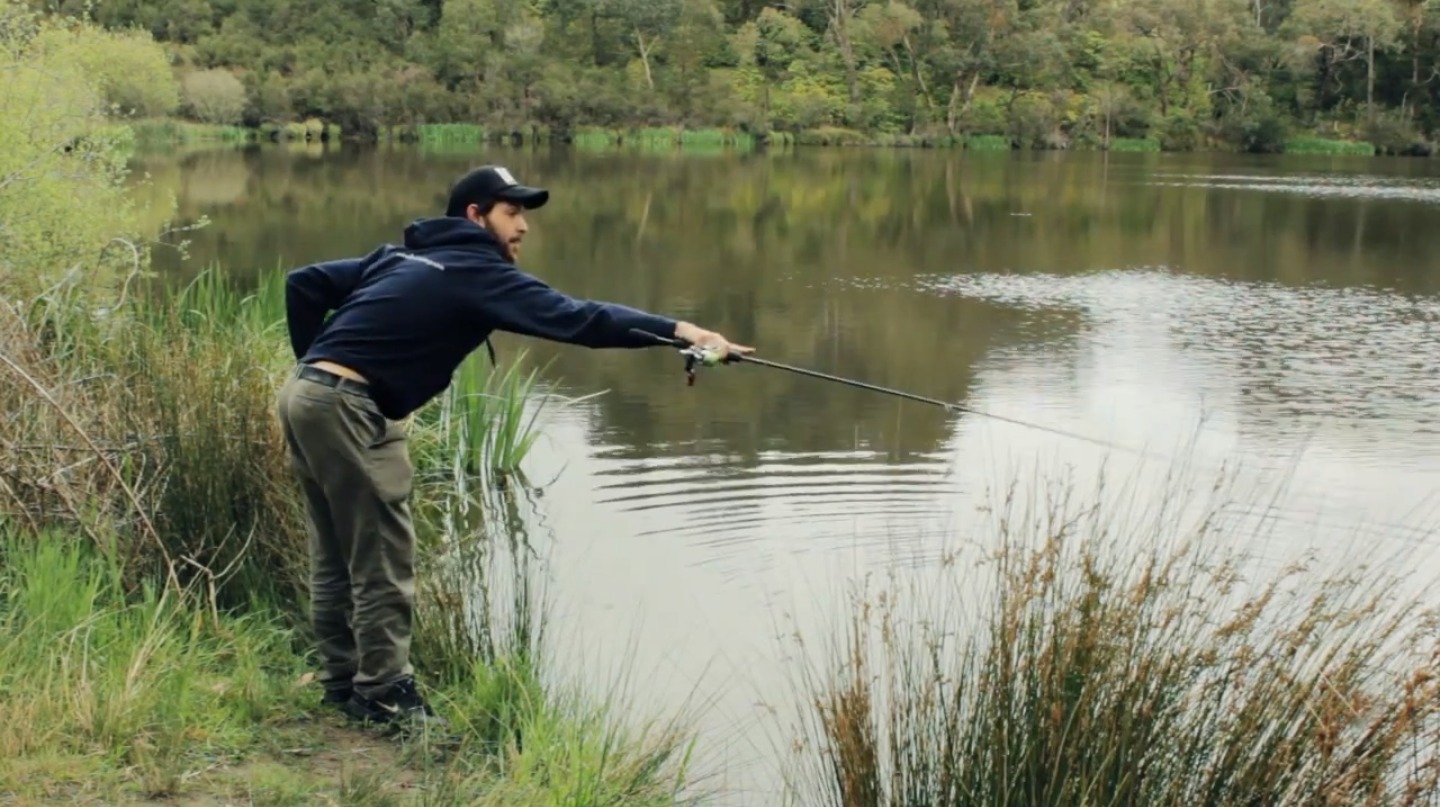

Step-by-step guide to practice your fishing cast
Anyone Can Act | Acting Lessons For Kids | Acting Tips For Beginners | How To Act
Step 1
Find a flat open area to practice.
Step 2
Lay out target rings at different distances from where you'll stand.
Step 3
Place cones to mark a casting lane and a safety zone behind you.
Step 4
Attach the soft practice lure to the end of the line using a simple knot.
Step 5
Check the knot is tight and the lure is secure.
Step 6
Stand with your feet shoulder-width apart at the start line with your toes pointing to the target.
Step 7
Grip the rod with your dominant hand on the handle.
Step 8
Put your other hand lightly on the rod for support near the reel.
Step 9
Do three dry overhead casting motions without releasing the line to feel the movement.
Step 10
Make a gentle cast and release the line at the top of the forward motion aiming for the nearest ring.
Step 11
Measure the distance from your start point to where the lure landed using the tape measure.
Step 12
Repeat the cast aiming for a farther ring using a bit more arm and wrist follow-through.
Step 13
Try a sidearm cast toward a sideways target ring.
Step 14
Put all equipment away neatly and check your area is clean.
Step 15
Share a photo or description of your practice and your score on DIY.org.
Help!?
What can we use if we don't have cones, target rings, or the soft practice lure?
Use rolled socks or a small stuffed toy tied to the line as the soft practice lure substitute, and mark target rings and cones with shoes, rocks, jump ropes, or chalk circles on the ground.
My lure keeps slipping off or the cast just drops—what should I check first?
First re-tie and tighten the knot where you 'Attach the soft practice lure to the end of the line', then practise the three dry overhead casting motions to smooth your timing and release at the top of the forward motion aimed at the target.
How can I adjust the activity for younger or older kids?
For younger kids move the nearest target ring closer to the start line, use a very soft sock as the lure and focus on the three dry overhead motions without releasing, while older kids can increase distances, add sidearm casts, and record distances with the tape measure.
How can we make the practice more challenging or personal after we've completed the basic steps?
Make a point-scoring system for each ring, decorate the rod with colored tape for personalization, add moving 'fish' targets (like a rolling ball) for difficulty, and share your photo, description, and score on DIY.org.
Watch videos on how to practice your fishing cast
8 Acting Tips: Beginner To Advance
4 Videos
8 Acting Tips: Beginner To Advance
How Actors Enter and Exit Auditions (Video Acting Lesson) (Acting classes for kids, Los Angeles)

7 Acting Tips For Beginners
ESSENTIAL Acting Lesson For Beginners (4 STEPS) | Acting Advice
Facts about fishing safety and casting techniques
🎣 Over 30,000 species of fish swim in rivers, lakes, and oceans around the world — plenty of surprising neighbors!
🎯 Casting competitions use target rings like kids do — expert casters can hit small targets from 20+ meters away!
🧒 Practicing casting regularly helps kids build hand-eye coordination and fine motor skills in just a few sessions.
🦺 Wearing a life jacket near water greatly reduces drowning risk — safety first for every fishing practice.
🪝 A lightweight training rod or even a stick can mimic rod feel so beginners learn control without heavy gear.
How do I practice safe fishing casts with my child?
What materials do I need for a fishing cast practice setup?
What ages is fishing cast practice suitable for?
What are some fun variations to level up casting practice for kids?
