Practice sleight of hand
Learn simple sleight-of-hand tricks using coins, cards, and small props; practice finger dexterity, timing, and misdirection safely with adult supervision.


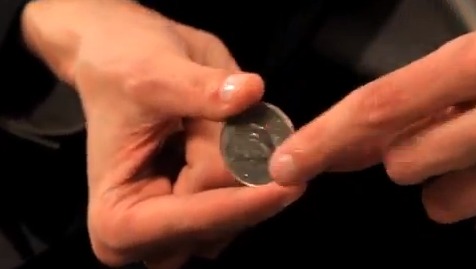

Step-by-step guide to practice sleight-of-hand tricks
How to do 10 MAGIC Sleight of Hand Tricks!
Step 1
Sit comfortably at the flat table with good posture.
Step 2
Ask an adult to sit nearby to watch and help if needed.
Step 3
Wiggle and stretch each finger five times to warm up your hands.
Step 4
Take one coin and slide it into the center of your palm then close your fingers gently to palm it.
Step 5
Place a coin on the center of the table.
Step 6
Drape the napkin over the coin so the coin is hidden under the cloth.
Step 7
Secretly slide the coin into your palmed hand under the napkin.
Step 8
Lift the napkin to show the table spot empty.
Step 9
Slowly open your palm to reveal the coin as if it just appeared.
Step 10
Pick up the deck of cards and hold it comfortably in your hands.
Step 11
Practice a double lift by sliding the top two cards as one and showing their face.
Step 12
Practice misdirection by saying a short funny line while making eye contact and moving one hand.
Step 13
Practice combining the coin vanish then the double lift slowly until the sequence feels smooth.
Step 14
Share your finished magic routine on DIY.org
Help!?
What can I use if I don't have a real coin, napkin, or deck of cards?
Use a large plastic token, metal washer, or chocolate coin for the coin, a handkerchief, dish towel, or paper tissue instead of the napkin, and a homemade set of printed cards or an old UNO deck in place of a standard deck of cards.
The coin keeps slipping when I try to palm it or the napkin shows the outline—what should I do?
Make sure you slide the coin into the center of your palm and close your fingers gently to palm it, keep your hand relaxed and slightly cupped so the napkin doesn't cling to the coin, and practice the motion slowly until the coin stays hidden under the cloth.
How can I adapt the steps for younger or older kids?
For younger children use a larger coin substitute and a bright, larger napkin and practice only the coin vanish, while older kids should add the double lift, misdirection line, and practice combining the coin vanish then the double lift into a smooth routine.
How can we improve or personalize the routine before sharing on DIY.org?
Write a short funny line for the misdirection, decorate the napkin or cards with stickers, create a brief story linking the coin vanish and double lift, and rehearse the combined sequence until it feels polished for recording.
Watch videos on how to practice sleight-of-hand tricks
Learn 10 Sleight-Of-Hand Card Moves in Slow Motion (Magic Tutorial)
3 Videos
Learn 10 Sleight-Of-Hand Card Moves in Slow Motion (Magic Tutorial)
Sleight of Hand 101 | The Double Lift (Beginner)

Learn Three Easy Coin Tricks: Sleight of Hand
Facts about magic tricks for kids
🪄 Many magicians repeat a single sleight thousands of times so the move becomes muscle memory and looks effortless.
🃏 A standard deck has 52 cards — card magicians use stacks, false shuffles, and palming to create surprises.
🪙 Coin magicians can palm, vanish, and produce coins; the classic "French Drop" is a deceptively simple vanish.
👀 Misdirection is all about attention — magicians guide where people look so a secret move happens unnoticed.
🎩 Dai Vernon, nicknamed "The Professor", influenced modern close-up magic and helped popularize natural sleight techniques.
How do I teach my child simple sleight-of-hand tricks with coins, cards, and props?
What materials do I need for practicing sleight-of-hand at home?
What ages are suitable for learning sleight-of-hand tricks with supervision?
What safety tips and benefits should parents know about sleight-of-hand practice?
