Practice Polar Bear pose
Practice the Polar Bear yoga pose to build balance, strength, and mindful breathing; try gentle warm ups, step by step guidance, and safe holds.
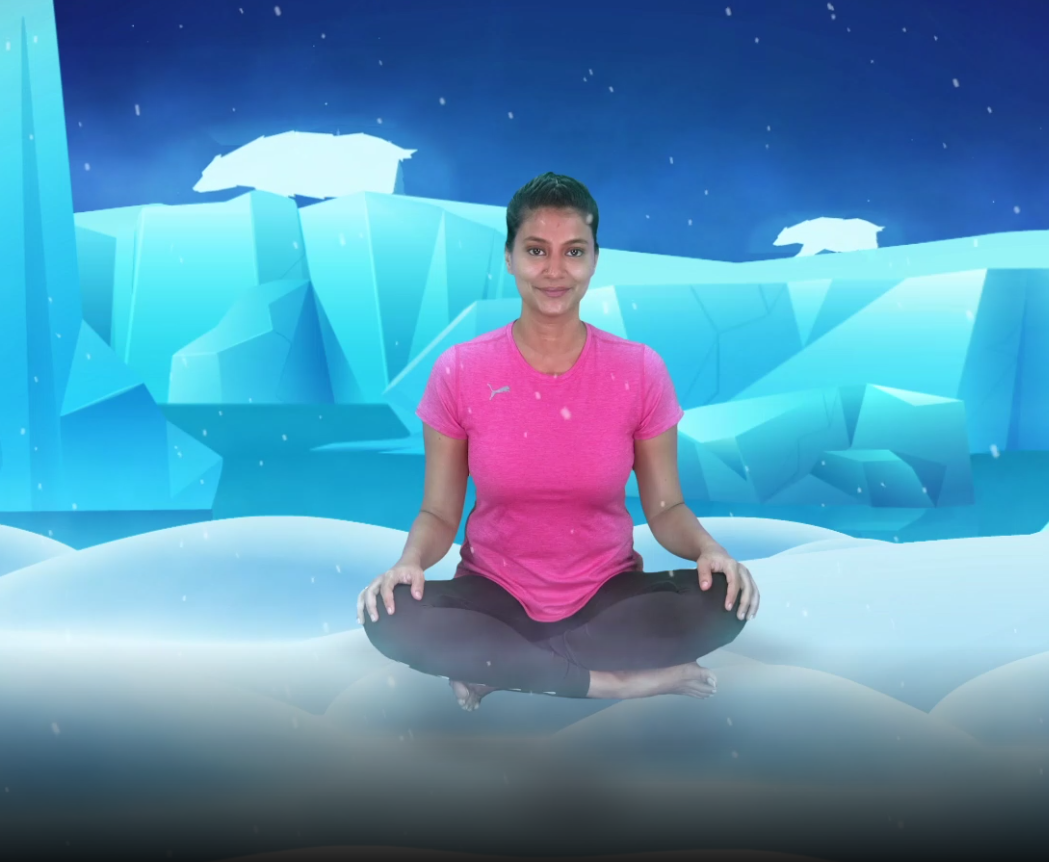
About this activity
Practice the Polar Bear yoga pose to build balance, strength, and mindful breathing; try gentle warm ups, step by step guidance, and safe holds.
What you need
Step by step
- 1
Step 1
Put on comfy clothes and spread your mat or rug on the floor.
- 2
Step 2
Stand tall and take three big belly breaths inhaling through your nose and exhaling through your mouth.
- 3
Step 3
March in place for 30 seconds to warm up your legs and heart.
- 4
Step 4
Come onto all fours with hands under shoulders and knees under hips on your mat.
- 5
Step 5
Do two rounds of cat-cow by arching your back up like a cat then scooping it down like a cow.
- 6
Step 6
Tuck your toes under so the balls of your feet press into the mat.
- 7
Step 7
Lift your knees a few inches off the mat so your belly hovers and your body feels strong.
- 8
Step 8
Press your palms into the mat and keep your back flat while you find steady balance.
- 9
Step 9
Breathe slowly for five deep belly breaths while holding the hover.
- 10
Step 10
Lower your knees to the mat and sit back on your heels or cushion to rest for a few calm breaths.
- 11
Step 11
Repeat the hover (Steps 7–10) two more times, trying to stay steady a little longer each time.
- 12
Step 12
Share your finished Polar Bear practice on DIY.org.
Fun facts
How do I guide my child through the Polar Bear yoga pose?
Begin with gentle warm-ups like shoulder rolls and ankle circles. From standing, inhale and reach arms up; exhale, hinge at the hips and place hands on the floor. Step back to a tabletop, tuck toes and lift knees a few inches so hips are high but knees stay soft. Keep a steady breath, look slightly forward, and hold 3–8 breaths. To finish, lower knees to the mat, rest in Child’s Pose, and praise their effort.
What materials do I need to practice the Polar Bear pose at home?
You only need a non‑slip surface such as a yoga mat or carpet and comfortable clothes that allow movement. Optional items: a small cushion for knees, a yoga block to rest hands on, a timer for holds, and calming music. Ensure the practice area is clear of sharp objects and that an adult supervises younger children for safety and encouragement.
What ages is the Polar Bear pose suitable for?
Polar Bear pose is appropriate for many preschool and school‑age children, roughly ages 3–10, with adult supervision. Toddlers can try a very gentle version with reduced lift and shorter holds. Older kids can hold longer and add breath counts. Always adapt duration and difficulty to each child’s coordination and comfort, and stop if they complain of pain or dizziness.
What are the benefits, safety tips, and variations for Polar Bear pose?
Benefits include improved balance, core and shoulder strength, and mindful breathing that calms attention. Safety tips: practice on a soft, non‑slip surface, keep knees slightly bent to protect joints, supervise closely, and avoid pushing through pain. Variations: try a wall‑supported version, shorter holds, bear crawls for a playful strength challenge, or partner mirroring to build social skills and fun.
Watch & Learn
Need help?
What can we use if we don’t have a yoga mat or rug for this Polar Bear practice?
Use a folded towel, blanket, or a carpeted spot as your mat so your knees and palms are cushioned when you come onto all fours and hold the hover (steps 1 and 4–9).
My child’s belly drops or their back rounds during the hover—how can we fix that?
Have them tuck the tailbone slightly, draw the belly toward the spine to engage the core, press the palms into the mat and keep the knees only a few inches off (steps 6–8), and place a cushion under the knees to rest between attempts if needed.
How can I adapt the activity for younger or older kids?
For younger children shorten the hover to just a few seconds and allow extra rest or keep toes untucked, while older kids can increase hover length, add an extra round of steps 7–10, or count more breaths per hold.
How can we make the Polar Bear practice more fun or personalized before sharing it on DIY.org?
Let the child bring a stuffed polar bear or wear a fun hat during the practice, play calming Arctic-themed music while repeating steps 7–10, and encourage them to take a picture or short video to post on DIY.org (step 12).