Play the Littlest Pet Shop Game!
Set up and play a homemade Littlest Pet Shop game using toy pets, cards, simple rules, and cooperative challenges to care for, trade, and win.



Step-by-step guide to play the Littlest Pet Shop Game
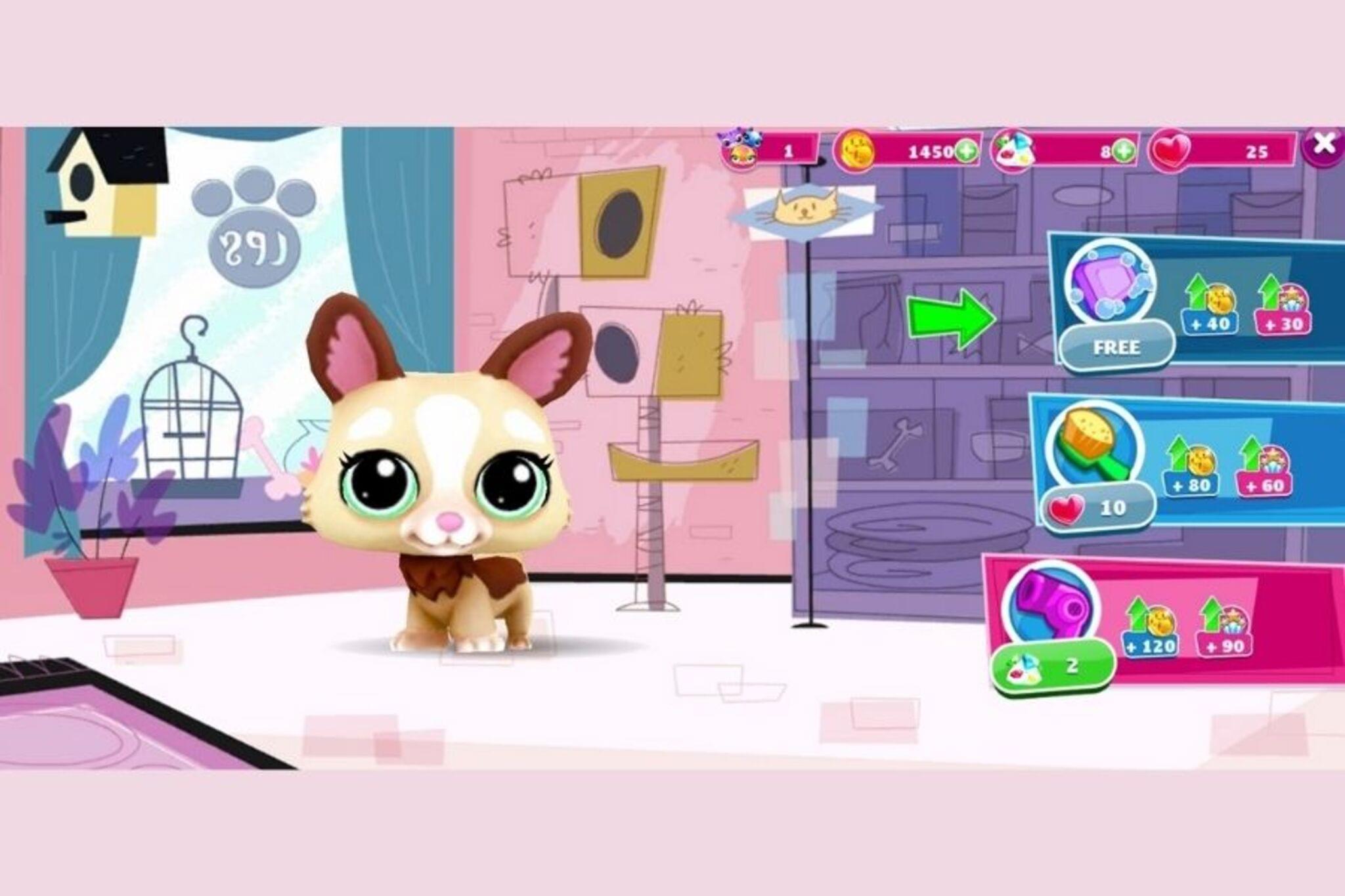
Littlest Pet Shop Gameplay For Kids Learning #1
Step 1
Clear a flat table and lay the cardboard or large paper down as your game board.
Step 2
Place all your toy pets on the "Start" space of the board.
Step 3
Cut or fold the index cards into about eighteen cards.
Step 4
Make three piles of cards and label each pile "Care" "Trade" and "Event."
Step 5
Write a simple care action on each Care card (examples: Feed +2 tokens Groom +1 Play +2).
Step 6
Write a trade rule on each Trade card (examples: Swap one token Swap pets with another player).
Step 7
Write a cooperative challenge on each Event card (examples: All players name two care tips to earn +1 each).
Step 8
Put the tokens in a pile in the center of the board.
Step 9
Give each player three tokens to start the game.
Step 10
Decide who goes first by having every player roll the dice once and letting the highest roll start.
Step 11
On your turn roll the dice and move your pet forward that many spaces.
Step 12
When you land on a space draw the top card from the matching pile and follow the instruction on that card.
Step 13
Play rounds until someone has 10 tokens or until the cards run out then count tokens to declare the winner.
Step 14
Share your finished Littlest Pet Shop game on DIY.org
Help!?
What can we use instead of cardboard, index cards, tokens, dice, or toy pets if we don't have them?
Use a flattened cereal box or poster paper for the board, cut printer paper into 18 card pieces instead of index cards, use coins, buttons, or bottle caps as tokens, substitute a spinner app or a numbered paper cup for dice, and print pet pictures or draw pets on paper if you don't have toy pets.
What should we do if the Care/Trade/Event piles get mixed up, tokens spill, or cards run out mid-game?
Color-code and clearly label the 'Care', 'Trade', and 'Event' piles, keep tokens in small bowls at the board center to prevent spills, and reshuffle discarded cards into each labeled pile when that pile runs out.
How can we adapt the rules to suit younger children or older kids?
For younger kids simplify each Care card to a single icon and shrink the board to fewer spaces with everyone starting with one token, while for older kids write numeric rewards and complex Trade rules and raise the win condition (for example to 15 tokens) for a longer game.
How can we make the game more creative or challenging once we've played it a few times?
Let players decorate the cardboard board, write themed custom Care/Trade/Event cards (for example a 'Birthday' Event that gives +3 tokens), add specialty spaces with mini-challenges, and then photograph the finished game to share on DIY.org.
Watch videos on how to play the Littlest Pet Shop Game
How To Play The Game Littlest Pet Shop Board Game With 4 Littlest Pets! Family Game Night!
4 Videos
How To Play The Game Littlest Pet Shop Board Game With 4 Littlest Pets! Family Game Night!
Littlest Pet Shop: The Game (PC) - Full Game 1080p60 HD Walkthrough - No Commentary
Littlest Pet Shop: The Game - 1080p60 HD Walkthrough Part 1 - Pets Plaza #1: Intro
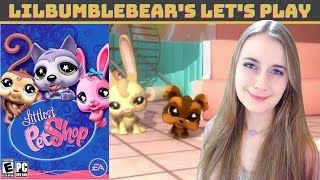
Littlest Pet Shop The Game Full Gameplay
Facts about board games and cooperative play for kids
🐾 Littlest Pet Shop began as a line of small collectible animal figures that inspired TV shows, games, and huge fan collections.
🏢 Hasbro owns the Littlest Pet Shop brand — many modern toy lines and licensed games come from this company.
📺 An animated Littlest Pet Shop TV series premiered in 2012, giving many of the toy characters fun stories and personalities.
🤝 Cooperative games are designed so players work together to meet goals, which helps build teamwork and friendly problem-solving.
♻️ Homemade LPS games are perfect for upcycling — old cards, cardboard, and tiny toys make creative game pieces and boards.
How do you play a homemade Littlest Pet Shop game?
What materials do I need to play the Littlest Pet Shop game?
What ages is the Littlest Pet Shop game suitable for?
What are the benefits of playing and safety tips?
