Perform a traditional dance
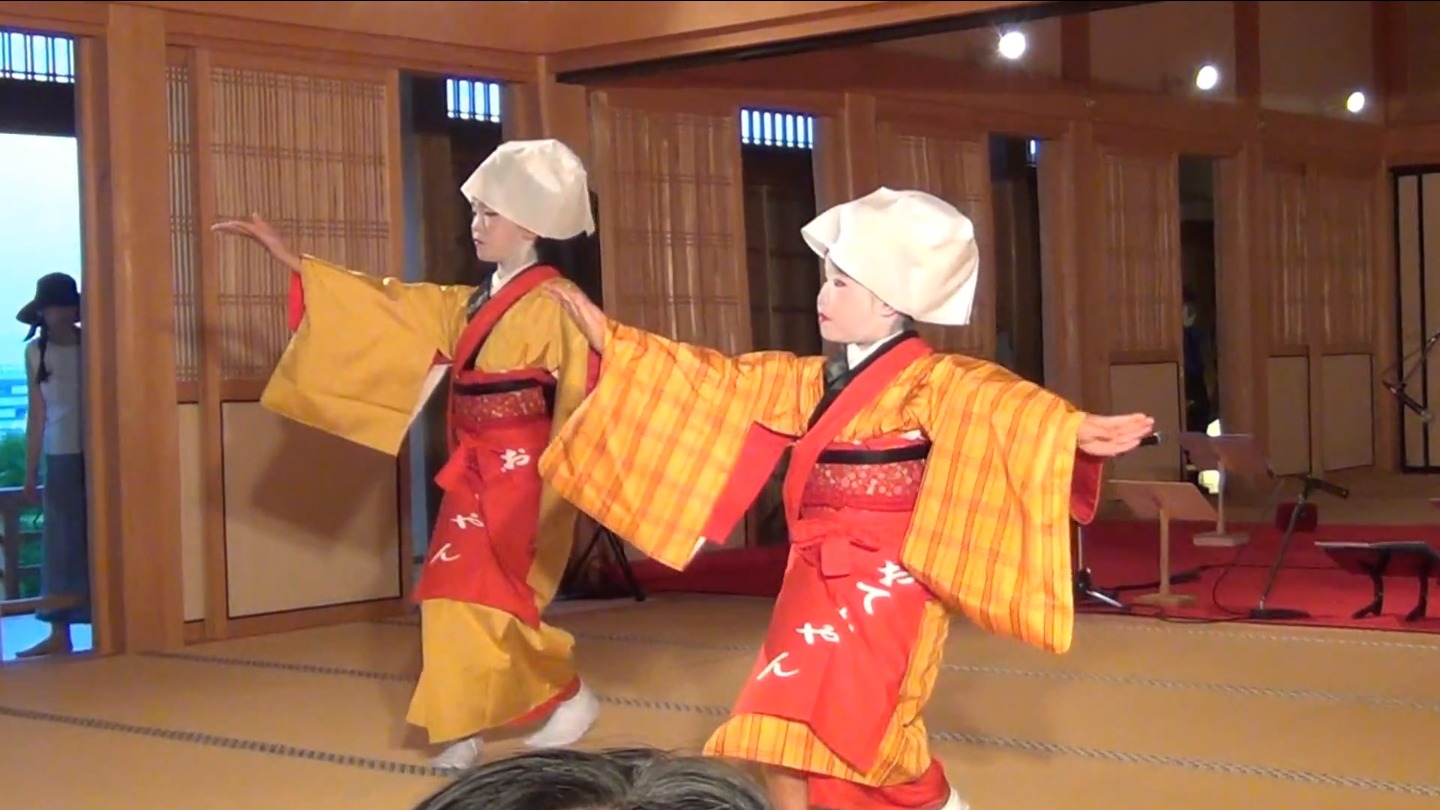
Learn and practice a simple traditional dance from your culture, following step patterns, rhythm clapping, basic costumes, and perform it for family or class.
About this activity
Learn and practice a simple traditional dance from your culture, following step patterns, rhythm clapping, basic costumes, and perform it for family or class.
What you need
Step by step
- 1
Step 1
Ask an adult or family member to show you a simple traditional dance move or play a short music clip from your culture.
- 2
Step 2
Clear a safe open space so you have room to move without bumping anything.
- 3
Step 3
Put on comfortable shoes so your feet can move easily and safely.
- 4
Step 4
Warm up your body with gentle stretches for 1 to 2 minutes to get ready to dance.
- 5
Step 5
Watch the dance step pattern once so you can see the order of the moves.
- 6
Step 6
Practice the basic step pattern slowly for one minute until you can do it without thinking too hard.
- 7
Step 7
Practice clapping the rhythm on its own until you can keep a steady beat.
- 8
Step 8
Combine the basic steps with the clapping so your steps match the rhythm.
- 9
Step 9
Put on one simple costume piece like a scarf hat or sash and make sure it feels comfortable.
- 10
Step 10
Practice the full dance with the music three times at performance speed.
- 11
Step 11
Perform your dance for your family or class so they can watch you show what you learned.
- 12
Step 12
Share your finished dance performance on DIY.org
Fun facts
How do I teach my child a simple traditional dance from our culture?
Start by choosing a short, simple routine with clear step patterns. Break the dance into small sections and teach one section at a time, using counts (1-2-3) and rhythm clapping. Demonstrate slowly, then practice with music at a reduced speed. Add costume or prop elements last. Use positive reinforcement, repeat short daily practices, and hold a final informal performance for family or classmates to celebrate progress.
What materials do I need to teach a traditional dance to a child?
You’ll need a music source (phone or speaker), the chosen song, comfortable clothing and shoes, simple costume pieces or props (scarves, sashes), a clear practice space, a mirror or phone for self-review, a timer for practice sessions, and water. Optional items: printed step cards, a metronome or app to slow music, and basic first-aid supplies. Keep costumes safe and non-restrictive.
What ages is learning a simple traditional dance suitable for?
This activity suits children aged about 3–12, with adjustments. Ages 3–5 learn short, repetitive steps and simple clapping; keep practices under 15 minutes. Ages 6–8 can handle phrase sequences and basic costume elements with 20–30 minute sessions. Ages 9–12 can learn longer patterns, timing nuances, and perform confidently. Always adapt complexity, supervision, and physical demands to each child’s attention and coordination level.
What are the benefits of teaching traditional dance to children?
Traditional dance boosts physical coordination, rhythm, and memory while fostering cultural identity and pride. It encourages social skills, teamwork, and self-confidence through practice and performance. Creative expression and discipline grow from learning steps and routines. For parents, it’s a chance to share heritage and strengthen family bonds. Keep sessions positive and age-appropriate to maximize these benefits.
Watch & Learn
Need help?
What can we use instead of an adult or family member and a music clip if those are not available?
If no adult or family member is available to show the move or you don't have a music clip, substitute by watching a short traditional dance video on a phone or tablet and use a non-slip sock or soft shoe in place of regular comfortable shoes.
What should we do if we can't keep a steady beat when clapping or our steps won't match the rhythm?
If your clapping or steps are off, mark foot positions in the cleared safe open space with tape, slow the basic step pattern during the one-minute practice while counting aloud, and clap along to a metronome app or the music clip until the steps match the rhythm.
How can we adapt the activity for different ages or skill levels?
For younger children shorten the warm-up to about 30 seconds and reduce the basic step practice to 20–30 seconds with simpler moves, while older children can extend practice times, add more complex steps, and run the full dance more than three times at performance speed.
How can we extend or personalize the dance activity once we can perform it?
To enhance the activity personalize the simple costume piece by decorating the scarf or sash, add a small percussion instrument when combining steps and clapping, and record the three performance-speed run-throughs to edit and share the final performance on DIY.org or perform for family.