Perform a Random Act of Kindness
Plan and perform a small random act of kindness, such as making a thank you card, helping a neighbor, or sharing a compliment today.




Step-by-step guide to perform a Random Act of Kindness
25 Ways to be Kind! | Kindness For Kids | Random Acts of Kindness
Step 1
Decide which small act of kindness you will do today like making a thank-you card helping a neighbor or giving someone a compliment.
Step 2
Choose one person to receive your kind act such as a family member neighbor or teacher.
Step 3
Gather the materials you need from the list for your chosen act.
Step 4
Pick the time and place when and where you will do the act today.
Step 5
Prepare your act by making the card writing a short note gathering the items to help or thinking of a kind sentence to say.
Step 6
Ask an adult for help or permission if your act involves going to someone’s house giving food or using scissors.
Step 7
Go to the person or the place and perform your act of kindness now.
Step 8
Say one kind sentence or leave a friendly note so the person knows the act came from you.
Step 9
Clean up your workspace and put away any materials you used.
Step 10
Share your finished creation or story about your act of kindness on DIY.org
Help!?
If I don't have card-making supplies from the materials list, what can I use instead?
Use printer paper or construction paper folded in half with crayons or markers, old magazine cutouts or stickers, or send a printed message from a phone to complete the 'gather the materials you need' and 'prepare your act' steps for a thank-you card.
What should I do if the person isn't home when I go to perform my act?
Follow the 'Pick the time and place' step and either leave a friendly note at their door, call or text them, or choose another time so you can 'say one kind sentence or leave a friendly note' in person as instructed.
How can this activity be adapted for younger or older children?
For younger kids, keep it simple by drawing a card and having an adult help with any steps that involve going somewhere or using scissors per 'ask an adult for help or permission', while older kids can write longer notes, prepare a small treat with permission, or post the story on DIY.org as part of 'prepare your act' and 'share your finished creation'.
How can we personalize or extend the act of kindness beyond a single card or compliment?
Personalize and extend the project by adding a handmade bookmark or photo to the card, creating a series of cards for neighbors, and documenting the experience with a photo or short write-up to 'share your finished creation or story about your act of kindness on DIY.org' while remembering to 'clean up your workspace' afterwards.
Watch videos on how to perform a Random Act of Kindness
Random Acts of Kindness Ideas for Kids: World Kindness Day
4 Videos
Random Acts of Kindness Ideas for Kids: World Kindness Day
What is a Random Act of Kindness? | Random Act of Kindness Day for Kids

Random Act of Kindness #18 | Kids Pay It Forward | Practice Kindness
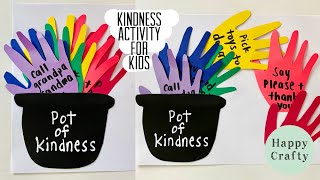
Acts of Kindness Activity | Crafts for Kids #KidsCrafts
Facts about kindness and empathy for kids
😊 Acts of kindness can boost both the giver's and receiver's mood almost instantly.
❤️ Helping others releases oxytocin, a 'feel-good' hormone linked to trust and bonding.
🧠 Studies show doing good can reduce stress and improve mental and even heart health.
✉️ A short thank-you note often brightens someone's day for much longer than you expect.
🌟 A sincere compliment can raise someone's confidence and make you feel happier too.
How do I plan and perform a random act of kindness with my child?
What materials do I need for simple random acts of kindness?
What ages is this random act of kindness activity suitable for?
What are the benefits of doing random acts of kindness with children?
