Perform 5 basic ballet positions
Learn and practice the five basic ballet positions with clear steps, correct posture, and simple exercises to improve balance, coordination, and confidence.
About this activity
Learn and practice the five basic ballet positions with clear steps, correct posture, and simple exercises to improve balance, coordination, and confidence.
What you need
Step by step
- 1
Step 1
Put on your comfortable clothes and non-slip socks or go barefoot so your feet can feel the floor.
- 2
Step 2
Find a clear open space where you can move freely without bumping into things.
- 3
Step 3
Place a chair next to a wall for steady support whenever you need to hold your balance.
- 4
Step 4
Warm up by marching on the spot for thirty seconds while swinging your arms gently.
- 5
Step 5
Stand tall to check your posture: pull your tummy in a little and drop your shoulders so your neck is long.
- 6
Step 6
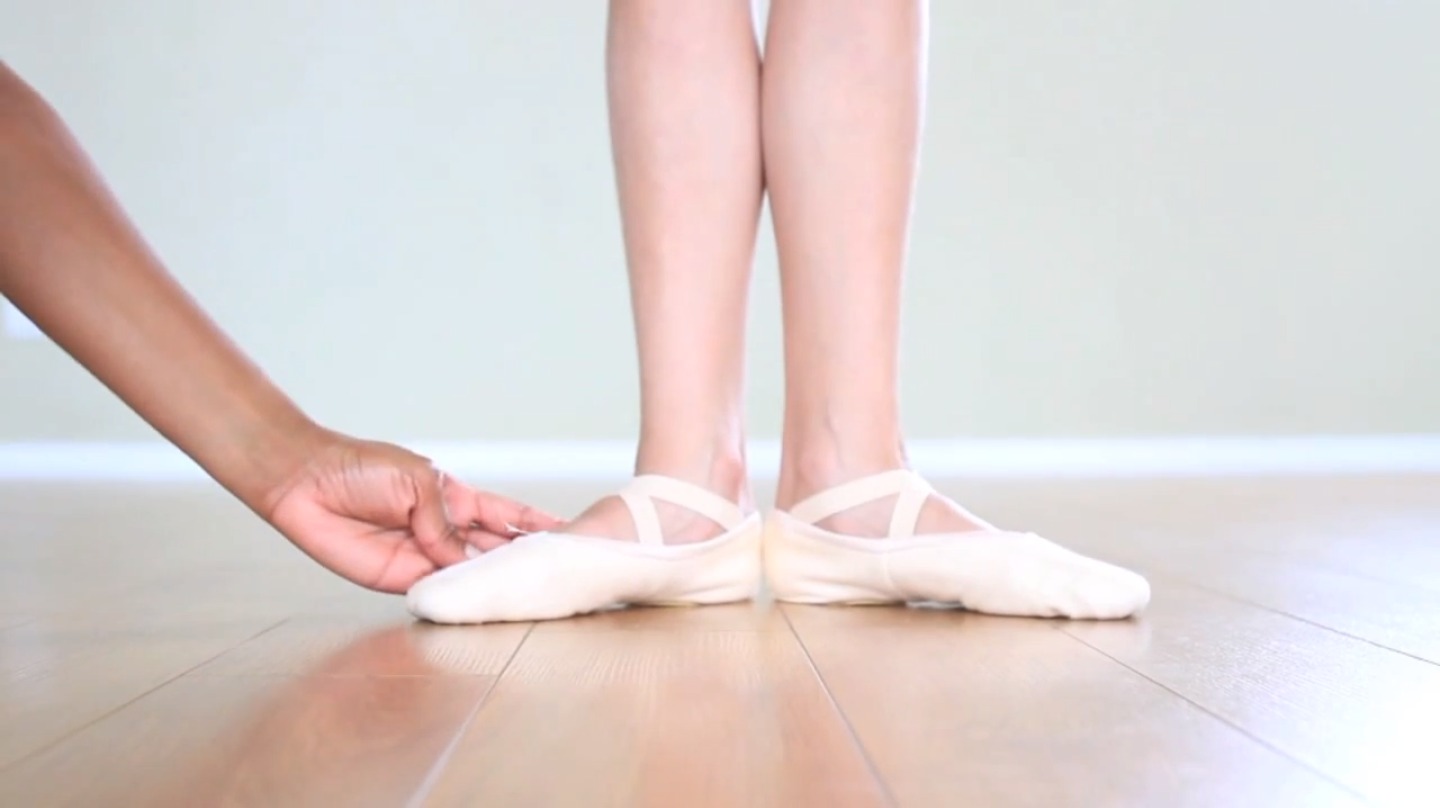
Make first position with your feet by bringing your heels together and turning your toes out to form a straight line.
- 7
Step 7
Make second position with your feet by stepping your feet apart about hip-width and turning your toes out.
- 8
Step 8
Make third position with your feet by placing one heel at the middle of the other foot’s arch while keeping your posture.
- 9
Step 9
Make fourth position with your feet by placing one foot about a foot in front of the other with both toes turned out.
- 10
Step 10
Make fifth position with your feet by sliding one heel to touch the toes of the other foot so the feet fully overlap.
- 11
Step 11
Practice your arms by moving them slowly through the ballet arm positions from low rounded in front to open at the side to gently overhead, holding each for three calm breaths.
- 12
Step 12
Do five slow pliés in first position while keeping your heels on the floor and using the chair for balance if needed.
- 13
Step 13
Do five slow relevés in first position by rising gently up onto your toes and lowering back down to build balance.
- 14
Step 14
Share your finished ballet practice or performance on DIY.org so everyone can see the five positions you learned.
Fun facts
How do I teach my child the five basic ballet positions?
Start with posture: stand tall, shoulders down, ribs in and chin level. Demonstrate each foot position slowly: first (heels together, toes turned out), second (feet apart, toes turned out), third (one heel at the arch of the other), fourth (one foot forward), fifth (heels and toes close with turnout). Show matching arm shapes and use simple exercises—pliés, relevés, slow holds and mirror practice. Keep repetitions short (5–10 seconds) and give gentle corrections.
What materials do I need to practice the five basic ballet positions at home?
You’ll need comfortable, flexible clothing; non-slip ballet slippers or socks; a clear floor space; and a chair or low barre for balance. A mirror or phone for visual feedback, a small mat for kneeling, and a timer or music help structure practice. Optional items: resistance band for gentle stretching, stickers for motivation, and a supervising adult. No expensive gear is required.
What ages are suitable for learning the five basic ballet positions?
Suitable ages are roughly 3–12 years: ages 3–4 respond well to playful introductions and short activities; 5–7 can begin structured practice with simple corrections; 8–12 can refine posture, alignment and coordination. Evaluate each child’s ability to follow directions and balance. Modify expectations—use games for younger children and longer, focused repetitions for older beginners. Always avoid forcing turnout.
What are the benefits of practicing the five ballet positions and how can I keep it safe?
Benefits include improved balance, coordination, posture, core strength, listening skills and confidence. For safety, always warm up, keep sessions short (5–15 minutes), avoid forcing hip turnout, use supportive footwear or a soft surface, and supervise younger children. Make practice fun with music, counting games, ribbons or stickers to encourage focus. Gentle, regular practice yields the best progress.
Watch & Learn
Need help?
What can I use if I don't have non-slip socks or a sturdy chair?
If you don't have non-slip socks, go barefoot or practice on a yoga mat or towel for grip, and if you lack a chair use the back of a sturdy couch or the wall for steady support while holding your balance.
I'm struggling to keep my heels on the floor during the five pliés or to balance during relevés — what should I try?
Use the chair for one hand support, do shallower pliés so your heels stay on the floor, keep your tummy pulled in and shoulders down for better posture, and practice fewer, slower relevés until balance improves.
How can I adapt the routine for younger children or make it more challenging for older kids?
For younger children simplify to first and second positions, shorten arm holds to one calm breath and use more marching warm-up, while older kids can increase to ten pliés/relevés, hold each arm position for three breaths, and add more precise turnout and alignment cues.
How can we extend or personalize this ballet practice after learning the five positions?
Extend the activity by choosing a favorite song, creating a short choreography that links the five positions and arm movements, adding a ribbon or costume piece, and recording the performance to share on DIY.org.