Paint An Eiffel Tower Masterpiece
Paint an Eiffel Tower masterpiece on paper or canvas using pencil sketching, watercolor or acrylic paints, basic shading, and color mixing, then display it proudly.


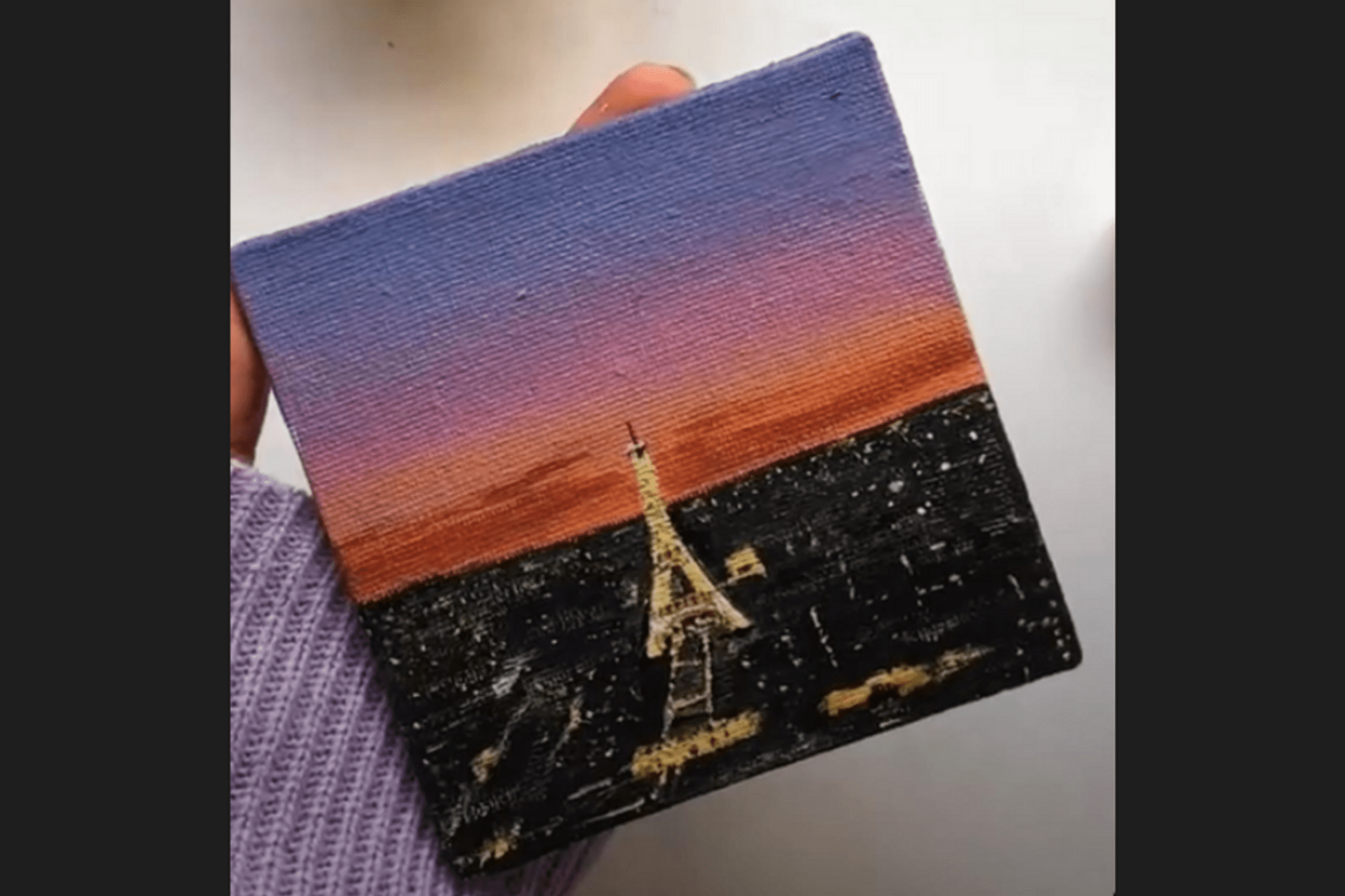

Step-by-step guide to paint an Eiffel Tower masterpiece
How To Draw The Eiffel Tower
Step 1
Clear a flat workspace and cover it with newspaper or an old cloth to protect the table.
Step 2
Place your paper or canvas in portrait orientation (tall) on the workspace.
Step 3
Tape the corners of your paper or canvas lightly so it will not move while you draw and paint.
Step 4
Use your pencil and ruler to draw a light center guideline from top to bottom to help keep the tower symmetrical.
Step 5
Sketch the Eiffel Tower outline lightly with your pencil including two tapered legs cross beams platforms and the top antenna.
Step 6
Add small lattice cross beams and structural details with light pencil strokes to suggest metalwork.
Step 7
Erase extra guide lines so your sketch looks clean and ready for paint.
Step 8
Mix a base paint color for the tower on your palette until you like the tone.
Step 9
Paint the tower with the base color using a medium brush and stay inside your pencil lines.
Step 10
Mix darker and lighter shades on your palette to use for shadows and highlights.
Step 11
Use a small brush to add darker shadows to parts of the tower to make it look three dimensional.
Step 12
Use a small brush to add lighter highlights where the light would hit the tower.
Step 13
Paint a simple sky background with diluted paint or a wash around the tower.
Step 14
Let your painting dry completely and then tape or hang it on a wall to display it proudly.
Step 15
Share your finished Eiffel Tower masterpiece on DIY.org.
Help!?
I don’t have a canvas or a ruler — what can I substitute?
Use a thick piece of cardstock or a flattened cereal box as your paper/canvas and a straight book edge or the side of a notebook as a ruler to draw the center guideline.
My paint keeps bleeding outside the pencil lines or my sketch smudges — how can I fix that?
Make sure you tape the corners lightly to keep the paper still, use very light pencil strokes for the sketch, paint the base color with a medium brush staying inside the lines, and let that layer dry completely before adding shadows and highlights with a small brush.
How can I change the activity for different ages?
For younger kids pre-sketch the Eiffel Tower outline and give washable paints and a medium brush, while older kids can freehand the tower, add detailed lattice with a small brush, and mix advanced shades on the palette.
What are easy ways to enhance or personalize the finished Eiffel Tower painting?
Add metallic paint or silver foil for the lattice, create a sunset wash or Paris skyline background with diluted paint, varnish the dried piece for display, and then hang it or share it on DIY.org.
Watch videos on how to paint an Eiffel Tower masterpiece
The Eiffel Tower for Kids
4 Videos
The Eiffel Tower for Kids
The Eiffel Tower Could Be Repainted Its Original Vibrant Color
Facts About the Eiffel Tower | Children's Lesson
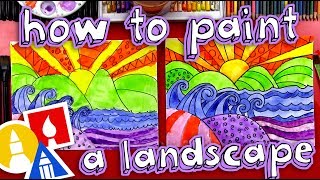
How To Paint A Beautiful Landscape (for kids)
Facts about painting and sketching for kids
🗼 The Eiffel Tower is about 324 meters tall (with antennas) and was the tallest man-made structure when it was built.
🎨 Watercolor paint uses pigments suspended in water and is loved for its translucent washes that let the paper glow through.
🖌️ Acrylic paint was developed in the 20th century, dries fast, and can be used thin like watercolor or thick like oil for texture.
✏️ Artist pencils are graded with H (hard) and B (black/soft): higher H = lighter lines, higher B = darker shading.
🌈 Mix primaries (red, blue, yellow) to make secondaries (orange, green, purple); mixing complements usually gives browns/grays great for shadows.
How do I help my child paint an Eiffel Tower masterpiece?
What materials do I need to paint an Eiffel Tower masterpiece with my child?
What ages is this Eiffel Tower painting activity suitable for?
What are the benefits, safety tips, and fun variations for an Eiffel Tower painting activity?
