Manage soil
Learn to test and improve soil by collecting samples, observing texture, adding compost or sand, and planting seeds to compare growth and moisture.
About this activity
Learn to test and improve soil by collecting samples, observing texture, adding compost or sand, and planting seeds to compare growth and moisture.
What you need
Step by step
- 1
Step 1
Gather all your materials and bring them to a flat table or a spot near your garden.
- 2
Step 2
Choose a spot in the garden and scrape away leaves so you can dig a clean sample.
- 3
Step 3
Dig down about 3 inches and collect enough soil to fill the jar one-third full and to fill three small pots halfway.
- 4
Step 4
Put about one-third of the jar full of the soil you collected.
- 5
Step 5
Add water to the jar until the water is about 1 inch from the top.
- 6
Step 6
Put the lid on the jar and shake the jar hard for 30 seconds.
- 7
Step 7
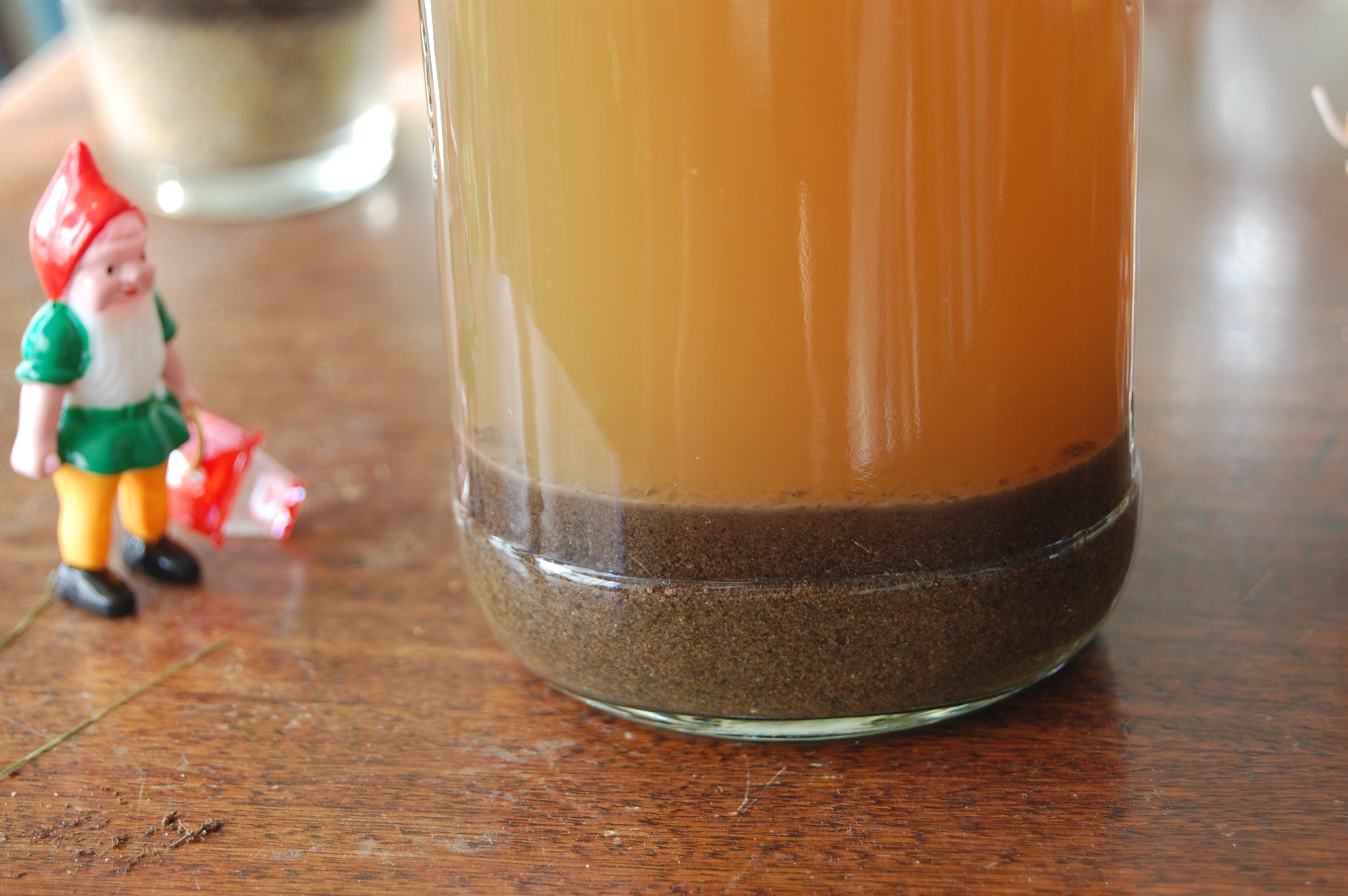
Set the jar on a flat surface and let it settle so the layers separate.
- 8
Step 8
After one hour look at the jar and write down how many layers you see and which layer is biggest.
- 9
Step 9
Label the three pots A B and C with your marker.
- 10
Step 10
Fill each pot to the same height with the rest of the soil so each pot has the same amount.
- 11
Step 11
Add one tablespoon of compost to pot B and mix it into the soil gently.
- 12
Step 12
Add one tablespoon of sand to pot C and mix it into the soil gently.
- 13
Step 13
Plant two seeds in each pot at about 1/2 inch deep and cover them lightly with soil.
- 14
Step 14
Water each pot with the same measured amount of water and put all three pots where they will get the same light.
- 15
Step 15
Every other day for two weeks feel the soil for moisture and measure any plant growth with your ruler and write your results in the notebook.
- 16
Step 16
Share your finished soil test and seed-growing results on DIY.org.
Fun facts
How do I test and improve soil with my child?
To test and improve soil with a child, start by collecting small samples from different spots in labeled bags or cups. Show texture by rubbing and squeezing — sand feels gritty, clay sticks, loam crumbles. Check moisture, smell, and sunlight. In separate pots, add compost to one sample and sand to another. Plant the same seeds in each and keep a watering schedule. Observe growth, measure stems, and record differences to learn how amendments affect drainage and plant health.
What materials do I need to test and improve soil with my child?
Materials you'll need include a small trowel or spoon, containers or zip-top bags for samples, permanent marker and labels, a notebook, measuring cup, water spray bottle, magnifying glass, and gloves. Also gather compost, coarse sand, potting mix, seed packets, and a ruler. Optionally add pH test strips or a basic soil test kit for older kids. Use clear containers so children can watch root growth and keep everything organized with a simple observation chart.
What ages is this soil testing and improvement activity suitable for?
This activity fits preschoolers through teens with adult support. Ages 4–6 enjoy collecting samples, feeling textures, and planting seeds with help. Ages 7–10 can record observations, compare pots, and help add compost or sand. Ages 11+ can design experiments, use simple pH tests, measure moisture, and interpret results. Always supervise tool use, adjust instructions to attention span, and make tasks hands-on for younger children while encouraging older kids to lead experimental steps.
What safety tips should I follow when doing soil experiments with children?
Safety tips: supervise children when digging, use child-sized tools, and wear gloves to avoid cuts or contaminants. Keep soil dust down with a light spray of water and cover any scratches. Avoid using unknown or potentially contaminated soil, raw manure, or compost not labeled safe for gardens. Wash hands thoroughly after handling soil and seeds. Teach children not to put soil or seeds in their mouths, and store tools and chemical products out of reach.
Watch & Learn
Need help?
What can we use if we don't have a clear jar or small pots?
If you don't have a clear jar use a clean clear plastic bottle with a tight screw lid for shaking and, for small pots, use disposable paper cups or yogurt containers with a few small drainage holes punched in the bottom.
My jar layers aren't separating well — what might be wrong and how do I fix it?
If the soil layers don't separate, make sure you added water to about 1 inch from the top, screwed the lid on tightly, shook the jar hard for 30 seconds as instructed, and then let it settle longer (several hours) so sand and silt can fully drop out beneath the organic layer.
How can we adapt the steps for younger or older children?
For younger kids have an adult dig the 3-inch sample, measure the one-tablespoon compost and sand additions, and help with planting while the child observes and draws results, and for older kids let them design new variables (different compost amounts or seed types), measure plant growth every other day with the ruler, and record numeric data in the notebook.
How can we extend or personalize the soil and seed experiment when it's finished?
You can extend the activity by adding extra pots with different compost or sand amounts, taking photos each measurement day, testing a different seed type in new pots, measuring soil pH, or compiling your photos and notes to share detailed results on DIY.org.