Make Symmetry Art
Fold paper, add paint or stamps, press to create mirror image prints, and explore line and radial symmetry while comparing patterns and colors.
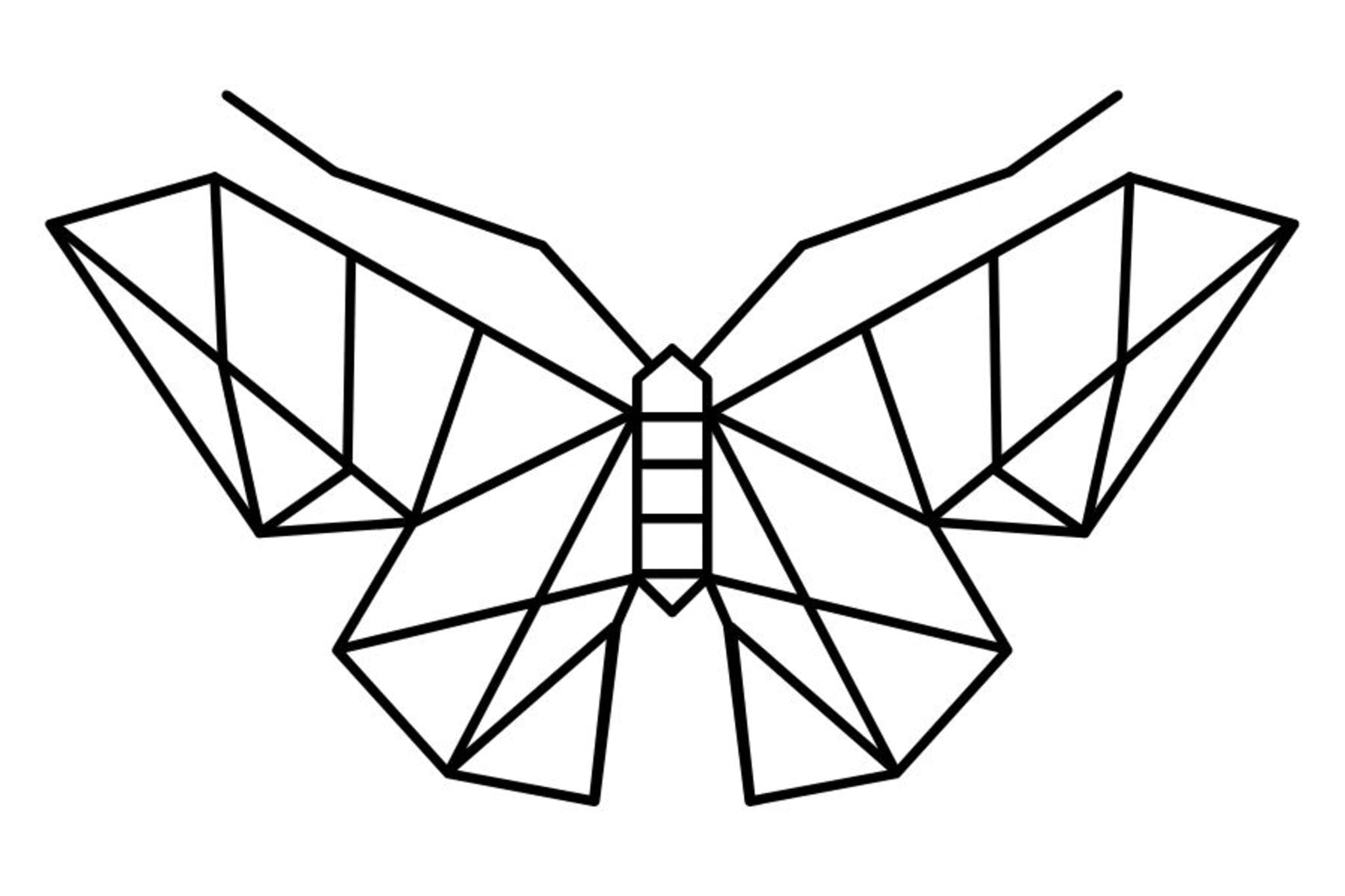
About this activity
Fold paper, add paint or stamps, press to create mirror image prints, and explore line and radial symmetry while comparing patterns and colors.
What you need
Step by step
- 1
Step 1
Cover your work area with newspaper or a plastic sheet to keep it clean.
- 2
Step 2
Decide whether you want to make line symmetry or radial symmetry for your art.
- 3
Step 3
Fold your paper the way you chose: fold in half for line symmetry or fold into a triangle or several layers for radial symmetry.
- 4
Step 4
Pick two or three paint colors to use for your print.
- 5
Step 5
Put small blobs of paint on one side of the folded paper near the fold or edge.
- 6
Step 6
Close the paper by folding the blank side over the painted side.
- 7
Step 7
Press down firmly with your hand to spread the paint and make a mirror image.
- 8
Step 8
Open the paper slowly to see your symmetrical print appear.
- 9
Step 9
Make another print using a different fold or different colors to compare line and radial results.
- 10
Step 10
Let both artworks dry completely on the protected surface.
- 11
Step 11
Look at your finished pieces and notice how shapes and colors repeat on each side.
- 12
Step 12
Share your finished creation on DIY.org
Fun facts
How do I make symmetry art with my child?
To make symmetry art, fold a sheet of paper in half (or into wedges for radial symmetry). Paint or stamp a design on one half, then carefully fold and press the paper so the wet paint transfers to the other side. Open it to reveal the mirrored pattern. Repeat with different colors and stamp shapes, or fold into multiple sections for radial effects. Let pieces dry flat, then compare line and radial symmetry, patterns, and color mixing.
What materials do I need for symmetry art?
Basic materials: washable tempera or poster paints, several sheets of copy paper or lightweight cardstock, paintbrushes, sponges, stamps, foam shapes or potato stamps, a palette or paper plates, and a protective table covering. Have wet wipes, aprons, and paper towels for cleanup. Optional: glitter glue, markers for details after drying, scissors for cutting radial wedges, and a spray fixative for display.
What ages is symmetry art suitable for?
Symmetry art is great for ages about 2 and up with adult help. Toddlers (2–3) enjoy simple dab-and-press prints with supervision. Preschoolers (3–5) can fold paper and experiment with mirror images, building fine motor skills. Early elementary (6–8) explore line and radial symmetry more intentionally. Older children (9+) can plan complex patterns and color theory. Adjust materials and supervision for skill level and safety.
What are the safety tips and learning benefits of symmetry art?
Symmetry art boosts observation, pattern recognition, and fine motor skills while introducing basic geometry and color mixing. It encourages creativity and vocabulary when children describe patterns and differences. For safety, use non-toxic, washable paints and supervise young children to avoid ingestion. Protect surfaces and clothing, and keep stamping tools blunt and clean. Allow pieces to dry flat to prevent smudging. To extend learning, compare artworks, discuss left-right differences, and
Watch & Learn
Need help?
What can I use if I don't have newspaper or a plastic sheet to protect the work area?
Use a clean garbage bag, an old shower curtain, a large piece of cardboard, or an old towel to cover the surface before placing the paper and paint blobs.
My paint is smudging or the paper rips when I press—how can I fix that?
Use heavier paper or cardstock, put smaller paint blobs farther from the fold or edge, and press gently instead of overly firmly when you close the paper to spread the paint.
How can I change the activity for younger or older kids?
For younger children, pre-fold the paper and have an adult help place big blobs of two washable paint colors and press the paper, while older kids can experiment with multiple-layer radial folds, three or more colors, and more precise blob placement to compare line versus radial symmetry.
How can we personalize or extend our symmetry art after it dries?
Turn dried prints into greeting cards or a symmetry gallery by cutting and mounting prints on colored cardstock, adding marker details, or photographing and sharing the images on DIY.org.