Make some cobblestone with LEGO®
Build a LEGO cobblestone path or surface using different bricks and plates; explore patterning, texture, and creative layout while testing sturdy connections.


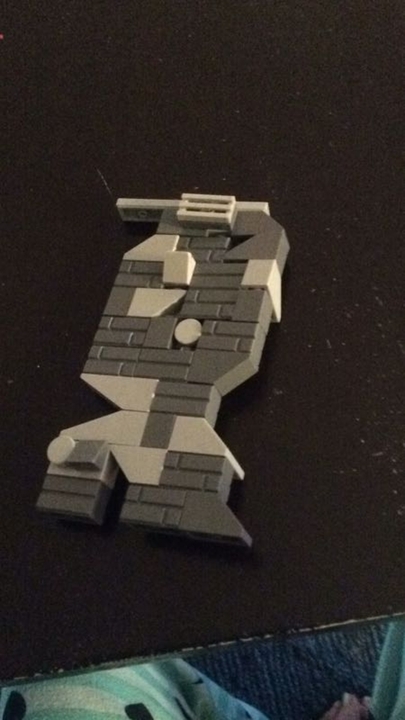

Step-by-step guide to Make some cobblestone with LEGO®
Building Uneven Cobblestone Roads for a LEGO City
Step 1
Gather your LEGO pieces and bring them to your building area.
Step 2
Place the baseplate on your table and choose where the cobblestone path will go.
Step 3
Decide how wide you want the path to be and mark the edges with two long plates.
Step 4
Sort your pieces into piles by shape or color so you can find them quickly.
Step 5
Pick a pattern idea like alternating colors or a random mix for your cobblestones.
Step 6
Lay a layer of plates across your marked area to make a sturdy foundation.
Step 7
Place tiles and bricks on the foundation following your chosen pattern.
Step 8
Add slopes and rounded pieces between tiles to make bumps and texture.
Step 9
Press down each brick and plate firmly to secure every connection.
Step 10
Test the path by gently pressing along the top to find any loose spots.
Step 11
Fix loose spots by swapping in larger plates or overlapping bricks for extra strength.
Step 12
Share your finished LEGO cobblestone creation on DIY.org
Help!?
What can we use if we don't have a LEGO baseplate or enough long plates to mark the path edges?
If you don't have a LEGO baseplate, use a piece of sturdy cardboard or a large tray as the foundation and replace long plates by stacking flat bricks or using tape to mark the path width.
Why do some pieces come loose when I press the path and how do I fix them?
If pieces feel loose when you 'Test the path by gently pressing along the top,' fix loose spots by swapping in larger plates, overlapping bricks, or adding an extra layer of plates under the foundation for more strength.
How can I adapt this cobblestone activity for younger or older kids?
For younger children, simplify by pre-sorting pieces and using wider long plates and larger tiles on the 'sturdy foundation' layer, while older kids can create complex patterns, add slopes and rounded pieces for texture, and experiment with overlapping bricks for structural challenge.
How can we extend or personalize the finished LEGO cobblestone path beyond the basic instructions?
Enhance the build by adding a raised border of stacked bricks along the marked edges, placing minifigures and lamp posts on the pattern of tiles and slopes for scenery, then press each connection firmly and share the finished creation on DIY.org.
Watch videos on how to Make some cobblestone with LEGO®
LEGO Cobblestone Road Plates - tutorial
3 Videos
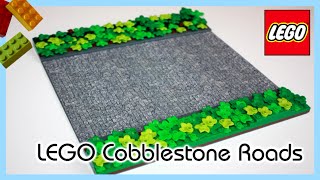
LEGO Cobblestone Road Plates - tutorial
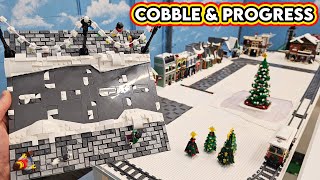
LEGO Winter Village Cobblestone Progress! Pizza in Chocolate?
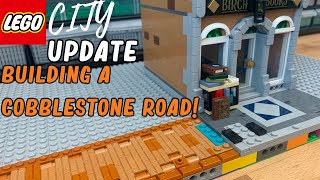
LEGO City Update: Building A Cobblestone Road | Design & Build Process Walkthrough
Facts about building with LEGO bricks
🧩 LEGO’s clutch power comes from little tubes under studs — that’s why bricks snap together so firmly.
🪨 Cobblestone paths let rainwater drain between stones, helping reduce puddles and erosion.
📏 A standard LEGO brick is exactly three plates tall, so plate-and-brick combos are great for texture.
🏗️ Staggering joints (like in brickwork) makes surfaces much stronger — a handy trick for LEGO paving.
🎨 Repeating shapes and color patterns can make a flat LEGO surface look bumpy, flowing, or worn like real cobbles.
How do I build a LEGO cobblestone path?
What materials do I need to make a LEGO cobblestone surface?
What ages is this LEGO cobblestone activity suitable for?
What are the benefits of building a LEGO cobblestone path?
