Make fashion with LEGO®
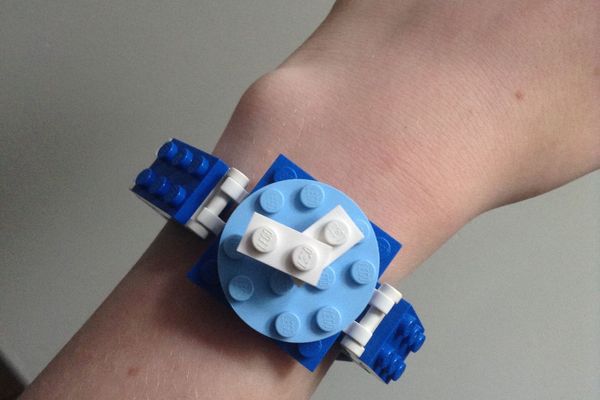
Design and build wearable LEGO® accessories like bracelets, belts, and mini brooches using bricks, creativity, and safe attachment methods to personalize outfits.
About this activity
Design and build wearable LEGO® accessories like bracelets, belts, and mini brooches using bricks, creativity, and safe attachment methods to personalize outfits.
What you need
Step by step
- 1
Step 1
Gather all your materials and choose whether you will make a bracelet belt or mini brooch.
- 2
Step 2
Use a strip of ribbon or fabric to measure the wrist or waist area and mark the length with a small knot.
- 3
Step 3
Sort and pick LEGO colors and shapes you want to use for your design.
- 4
Step 4
Build a sturdy flat LEGO base the same length or size you measured using plates and tiles.
- 5
Step 5
Add LEGO Technic pieces or bricks with holes at the points where you will attach ribbon or elastic.
- 6
Step 6
Thread elastic cord or ribbon through the holes and tie a secure knot to create the wearable loop.
- 7
Step 7
Trim any extra elastic or ribbon close to the knot with scissors for a neat finish.
- 8
Step 8
Cut a piece of felt slightly smaller than your LEGO base to make a soft backing.
- 9
Step 9
Stick an adhesive-backed Velcro strip to the felt backing so one Velcro side is firmly attached to the felt.
- 10
Step 10
Press the felt backing onto the back of your LEGO base so the Velcro holds the felt in place for comfort.
- 11
Step 11
Decorate the front with extra tiles studs or small LEGO decorations to personalize your accessory.
- 12
Step 12
Try on your accessory and make small adjustments to fit and comfort.
- 13
Step 13
Share a photo of your finished wearable LEGO creation on DIY.org
Fun facts
How do I make wearable LEGO® accessories like bracelets and brooches?
Start by sketching a simple design and measuring the wrist or garment area. Build modular sections with plates, tiles, hinge pieces or Technic beams so pieces can flex. Attach bricks to a fabric strip, elastic cord or LEGO® clip base; test the fit and comfort. Secure loose studs with LEGO-compatible connectors or non-permanent craft methods. Finish by checking edges for comfort and trimming excess ribbon or cord. Encourage kids to personalize colors and patterns.
What materials and tools do I need to make LEGO® fashion accessories?
You’ll need a variety of small LEGO® plates, tiles, hinge pieces, clips or Technic elements, plus baseplates or ribbon/fabric strips for mounting. Add elastic cord, Velcro strips or jewelry clasps for closures, and craft glue suitable for temporary bonds. Useful tools: scissors, small pliers, and a soft mat to work on. Avoid power tools; choose non-toxic supplies and consider safety pin alternatives for brooch backs with adult help.
What ages are LEGO® wearable accessories suitable for?
This activity is best for children aged about 6 and up who have developing fine motor skills. With close adult supervision, 4–6-year-olds can make simple designs using larger pieces and elastic. Never allow children under 3 near small LEGO® parts due to choking hazards. Older kids and teens can handle more complex Technic connectors and jewelry findings, while adults can adapt the challenge for makers of any age.
What safety tips should I follow when making LEGO® wearables?
Keep small pieces away from children under three and supervise younger makers. Avoid sharp or rigid attachments that could poke skin; smooth edges and pad contact points. Use breakaway cords or short elastics to reduce strangulation risk and secure closures so parts don’t fall off. Don’t permanently glue valuable bricks if you want to reuse them. Inspect creations regularly for loose pieces and store extras in labeled containers.
Watch & Learn
Need help?
What can I use instead of adhesive-backed Velcro or LEGO Technic pieces if they're hard to find?
If adhesive-backed Velcro is unavailable, sew or glue regular Velcro to the felt backing from step 9, and if you don't have Technic pieces for step 6 use bricks with side clips, bars, or even a sturdy cardboard base built like the LEGO base in step 4 with punched holes to thread ribbon or elastic through.
My LEGO base keeps coming apart when I attach the ribbon—how do I fix that?
If the flat LEGO base from step 4 is unstable when you thread ribbon or elastic in step 6, reinforce it by overlapping extra plates and tiles, secure the knot from step 6 with a small dab of fabric or craft glue, and press the adhesive Velcro firmly in step 8 or glue the felt in step 10 for added support.
How can I adapt this activity for different ages?
For younger kids use larger Duplo plates, pre-measure ribbon and pre-cut felt and have an adult do the knot-tying in step 6, for elementary kids let them sort colors and build the base in step 4 with supervision, and for teens challenge them to add Technic connectors or sew the felt backing in step 10 for a more finished accessory.
How can we enhance or personalize the wearable LEGO creation beyond the basics?
Personalize and extend the project by creating interchangeable tile panels that snap onto the base built in step 4, adding name studs or extra decorations in step 11, swapping the Velcro in step 8 for snap buttons or a buckle for a neater closure, or embedding a tiny LED under tiles for a light-up effect before step 11.