Make color-changing slime
Make thermochromic color-changing slime using school glue, baking soda, contact lens solution, and thermochromic pigment; with adult supervision, watch it change color.
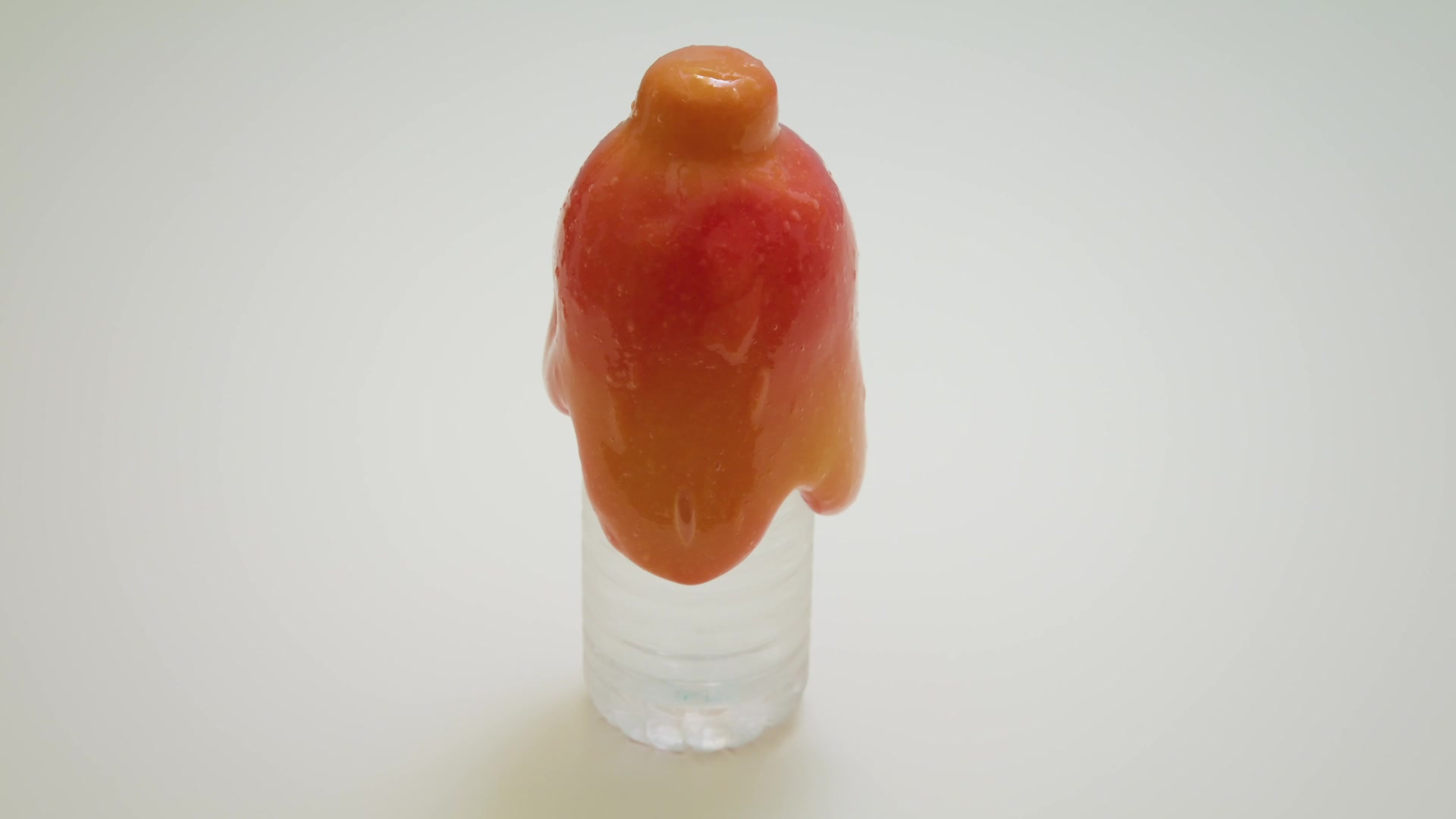
About this activity
Make thermochromic color-changing slime using school glue, baking soda, contact lens solution, and thermochromic pigment; with adult supervision, watch it change color.
What you need
Step by step
- 1
Step 1
Wash your hands with soap and water for at least 20 seconds.
- 2
Step 2
Pour the entire 4 ounce bottle of school glue into the small mixing bowl.
- 3
Step 3
Add one quarter teaspoon of thermochromic pigment to the glue.
- 4
Step 4
Stir the glue and pigment with the spoon for about 30 seconds until the color looks even.
- 5
Step 5
Sprinkle one half teaspoon of baking soda into the glue mixture.
- 6
Step 6
Stir the mixture for 15 seconds to mix in the baking soda.
- 7
Step 7
Add one tablespoon of contact lens solution to the bowl.
- 8
Step 8
Stir the mixture until it starts to pull away from the sides of the bowl and look stringy.
- 9
Step 9
Take the slime out of the bowl and knead it with your hands for one minute.
- 10
Step 10
If the slime is still sticky add one quarter teaspoon of contact lens solution and knead again.
- 11
Step 11
Rub the slime between your palms to warm it and watch the color change.
- 12
Step 12
Place an ice cube briefly on the slime to cool it and watch the color change back.
- 13
Step 13
Share a photo or video of your color changing slime on DIY.org.
Fun facts
How do I make thermochromic color-changing slime?
To make thermochromic color-changing slime, pour about 1/2 cup school (PVA) glue into a bowl. Stir in about 1/2 teaspoon baking soda until smooth. Add thermochromic pigment per manufacturer instructions (start with a small amount) and mix evenly. Add contact lens solution a little at a time, stirring until the mixture pulls away from the bowl and becomes stretchy. Knead until you reach the desired texture, and with adult supervision, test color changes by warming or cooling the slime.
What materials do I need to make color-changing slime?
Materials you'll need: school (PVA) glue (about 1/2 cup), baking soda (1/2 tsp), contact lens solution that contains boric acid (activator), thermochromic pigment powder or paste (follow manufacturer dosage), mixing bowls and spoons, measuring spoons, disposable gloves, a tray or mat, warm and cold items to test the color change (ice, warm water), paper towels, and adult supervision. Choose non-toxic, craft-grade pigments and avoid products not labeled for skin contact.
What ages is thermochromic slime suitable for?
Thermochromic slime is best for children aged about eight and up with close adult supervision. Younger kids (five to seven) can join if an adult handles the mixing and activator steps while the child plays and tests colors. Small children under five should not use this slime due to small-particle pigments and ingestion risk. Adjust supervision and let older children practice safe handling, measuring, and kneading.
Is thermochromic slime safe and what safety steps should I follow?
Safety tips: always supervise and keep slime out of mouths and eyes. Wear disposable gloves if skin is sensitive, and use a contact lens solution labeled for use with slime activators. Read pigment safety data—use non-toxic, craft-grade thermochromic pigments and avoid inhaling powders. Test a small batch first, wash hands after play, store slime sealed in a container, and discard if it smells or changes texture. Never let children handle contact lens solution or chemicals alone.
Watch & Learn
Need help?
What can I use if I can't find thermochromic pigment or contact lens solution?
If you can't find thermochromic pigment, substitute thermochromic paint or pigment powder (they still change color) and if you lack contact lens solution use 1/4 teaspoon borax dissolved in 1 tablespoon warm water as the activator for step 8.
My slime is still sticky or won't pull away from the bowl—what should I do?
If the mixture doesn't pull away after adding 1 tablespoon contact lens solution in step 8, add another 1/4 teaspoon of contact lens solution and knead as directed, or add a tiny pinch more baking soda if it's too runny.
How can I adapt this activity for different ages?
For ages 3–5 have an adult wash hands and pre-measure and perform steps 2–9 while the child helps stir and knead, for 6–9 let kids measure with supervision and do step 11 to rub and watch the color change, and for 10+ let them experiment with extra 1/4 teaspoon contact lens solution or different amounts of thermochromic pigment.
How can we make the color-changing slime more fun or unique?
To personalize and extend the activity, stir glitter or foam beads into the glue before adding baking soda (step 5), try layering two slimes with different thermochromic pigments, or use a warm cup and an ice cube to create patterns and record the change to share on DIY.org as in the final step.