Make a Whale!
Build a model whale using recycled materials, cardboard, or clay. Paint details, learn about whale parts and buoyancy while creating your own ocean friend.
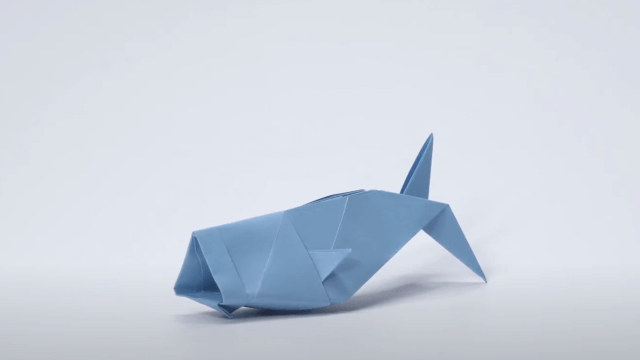
About this activity
Build a model whale using recycled materials, cardboard, or clay. Paint details, learn about whale parts and buoyancy while creating your own ocean friend.
What you need
Step by step
- 1
Step 1
Gather all the Materials Needed and put them on a clear workspace.
- 2
Step 2
Choose one main recycled item or a lump of clay to be your whale's body.
- 3
Step 3
Draw the whale shape on paper or lightly mark the outline on your chosen body with a pencil.
- 4
Step 4
Cut or trim the recycled item or sculpt the clay to match the whale outline.
- 5
Step 5
Cut or shape two side fins and a tail (fluke) from cardboard or clay.
- 6
Step 6
Attach the fins and tail to the whale body using glue tape or by pressing clay pieces together.
- 7
Step 7
Stuff the inside of the body with crumpled paper packing foam or a cork to help shape it and control buoyancy.
- 8
Step 8
Smooth seams and add surface texture using tape modeling tools or your fingers on the clay.
- 9
Step 9
Paint a base coat over the whole whale and cover any bare material.
- 10
Step 10
Let the paint dry completely before touching the whale again.
- 11
Step 11
Paint eyes mouth patterns and any other fun details on your whale.
- 12
Step 12
Write the names of whale parts like fluke dorsal fin blowhole and eye on small tags and stick them to the matching places.
- 13
Step 13
Fill a basin or sink with water and gently place your whale on the surface to test if it floats.
- 14
Step 14
If your whale sinks add more crumpled paper packing foam or a sealed cork inside then retest in the water.
- 15
Step 15
Share a photo and a short description of your finished whale on DIY.org.
Fun facts
How do you build a model whale?
To build a model whale, choose a base—an empty plastic bottle, cardboard tube, or air-dry clay. Shape the body, add fins and a tail from cardboard or clay, and attach with glue or by blending. Smooth seams, let dry, then paint base colors and add eyes, a blowhole, and markings. Label parts as you go and test buoyancy in a shallow tub—adjust weight with clay or foam. Supervise cutting and hot glue use.
What materials do I need to make a whale craft?
Gather recycled items like an empty plastic bottle, milk carton, or cardboard boxes; air-dry clay or modeling clay; scissors, craft knife (adult use), tape, and glue (PVA or hot glue with supervision). Paints, brushes, markers, and sealant; small scraps of foam or cork for buoyancy testing; toothpicks or skewers for assembling; sandpaper and pencil for sketching details. Optional: googly eyes, string for hanging, and reference pictures of whales.
What ages is the "Make a Whale" activity suitable for?
This activity suits toddlers to tweens with adjusted complexity: ages 3–5 can help paint, stick pre-cut fins, and learn parts with close supervision; ages 6–8 can shape simple bodies from cardboard or clay and try basic buoyancy tests; ages 9+ can sculpt detailed forms, use hotter tools (with adult help), and perform experiments measuring displacement. Always supervise scissors, hot glue, and water play.
What are the benefits of making a model whale?
Making a model whale teaches marine biology basics—whale anatomy, habitats, and buoyancy—while practicing fine motor skills, creativity, and problem-solving. Reusing recycled materials reinforces environmental stewardship. Testing floating behavior introduces simple physics and critical thinking. It also boosts confidence as children plan and complete a project, encourages language development when labeling parts, and offers a calm, screen-free bonding activity for families. Adapt complexity to
Watch & Learn
Need help?
What can I use instead of crumpled paper packing foam or a sealed cork if I can't find them?
If you don't have crumpled paper packing foam or a sealed cork for the 'Stuff the inside of the body' step, tightly rolled newspaper, foam packaging pieces, or a sealed plastic bottle cap can be used to shape the whale and adjust buoyancy.
My whale sinks or the fins fall off—what should I try?
If the whale sinks when you 'place your whale on the surface' or the fins detach after 'Attach the fins and tail', reinforce the joints by inserting a toothpick into both body and fin before gluing, use a stronger adhesive like hot glue, and add more stuffing (crumpled paper or a sealed cork) to increase flotation.
How can I adapt this activity for different ages?
For younger children use a pre-made recycled bottle body, pre-cut cardboard fins, glue sticks, and supervised painting while skipping the solo water test, for school-age kids let them sculpt clay, cut fins, label parts and test buoyancy themselves, and for teens encourage detailed seam-smoothing, textured painting, and waterproof varnish before testing.
How can we extend or personalize the finished whale?
Personalize and extend the project by painting unique patterns after the base coat dries, adding a tiny sealed LED or decorative tag inside before sealing for a glowing effect, varnishing the surface to protect paint, and then sharing a photo and description on DIY.org.