Make a necklace
Make a beaded necklace using string, beads, and clasps. Practice pattern design, measuring length, and safe knotting while personalizing your jewelry.
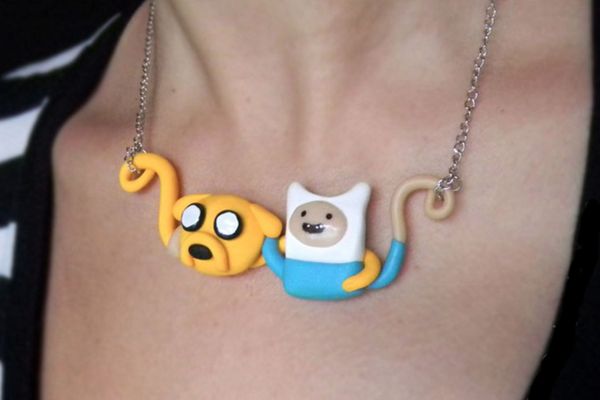
About this activity
Make a beaded necklace using string, beads, and clasps. Practice pattern design, measuring length, and safe knotting while personalizing your jewelry.
What you need
Step by step
- 1
Step 1
Use a ruler or measuring tape to measure how long you want the necklace to be against your neck.
- 2
Step 2
Cut a length of beading string that is 2 inches longer than your measured length using scissors.
- 3
Step 3
Wrap a small piece of clear tape around one tip of the string to stiffen it for threading.
- 4
Step 4
Slide one half of the clasp onto the taped end of the string.
- 5
Step 5
Arrange your beads on a flat surface to create a pattern you like.
- 6
Step 6
Thread the beads onto the string following the pattern you arranged.
- 7
Step 7
Slide the other half of the clasp onto the free end of the string.
- 8
Step 8
Tie a tight double knot around the clasp on the first end to secure it.
- 9
Step 9
Tie a tight double knot around the clasp on the other end to secure it.
- 10
Step 10
Trim the extra string tails close to each knot with scissors leaving a tiny tail so the knot does not slip.
- 11
Step 11
Fasten the clasp and try on the necklace to check that it fits comfortably.
- 12
Step 12
Share your finished necklace on DIY.org.
Fun facts
How do I make a beaded necklace with my child?
Start by measuring the child’s neck plus a comfortable allowance and cut the string. Lay out beads in a pattern on a tray, then thread them onto the string or elastic. Check the length by holding it up, add a clasp or tie a secure double knot for elastic, and trim excess. Finish with a dab of clear craft glue on knots for extra hold. Supervise threading and knotting to keep the process safe and fun.
What materials are needed to make a beaded necklace?
You’ll need beads (plastic, wood, or large safety beads), stringing material (elastic cord, nylon, or beading wire), a clasp and jump rings or crimps, scissors, a ruler, and optionally a bead tray and needle. For metal clasps you may want pliers and crimping tools. Choose non-toxic, age-appropriate beads and consider a small container to keep pieces organized and prevent spills.
What ages is beaded necklace making suitable for?
With supervision, large chunky beads are appropriate for ages 3–4 to practice threading. Children 5–7 can handle smaller beads and follow simple patterns with help tying knots. Ages 8+ can work more independently, design complex patterns, and use clasps and crimp beads. Always supervise young children because small beads are a choking hazard; adjust bead size and tools to match your child’s fine motor skill level.
What are the benefits and safety tips for making beaded necklaces?
Beadwork builds fine motor skills, pattern recognition, patience, and creativity while offering a tangible, wearable result. For safety, never give small beads to children under 3, supervise all sessions, use non-toxic materials, and secure knots or crimps tightly. Keep a tidy workspace to avoid dropped beads, and consider shorter, breakaway cords for younger children to prevent strangulation risks.
Watch & Learn
Need help?
What can I use instead of beading string or a metal clasp if I can't find them?
If you can't find beading string or a clasp, use strong nylon fishing line or embroidery floss and fasten the ends by tying your double knots around a small button or bead instead of sliding on a metal clasp.
My beads won't thread or knots keep slipping—what should I try?
If beads are hard to thread because the taped tip is too bulky or the string frays, trim the tape so the tip is slimmer or use a plastic beading needle and re-tape the end, and ensure you pull each tight double knot firmly before trimming the tails.
How can I adapt this necklace activity for different age groups?
For younger children (3–5) use large wooden beads, pre-cut the string and help with wrapping the clear tape and tying the double knots, while older kids can measure their own neck, arrange intricate patterns on a flat surface, and finish the clasp independently.
How can we extend or personalize the necklace beyond the basic instructions?
To personalize the necklace, paint or write on wooden beads before threading, add a charm near the clasp, or create a layered look by cutting extra lengths of string and arranging multiple matching patterns on the flat surface before threading.