Make a mixed media masterpiece
Create a mixed-media masterpiece using paint, collage, fabric, and found objects to explore texture, color, and composition through guided layering and experimentation.
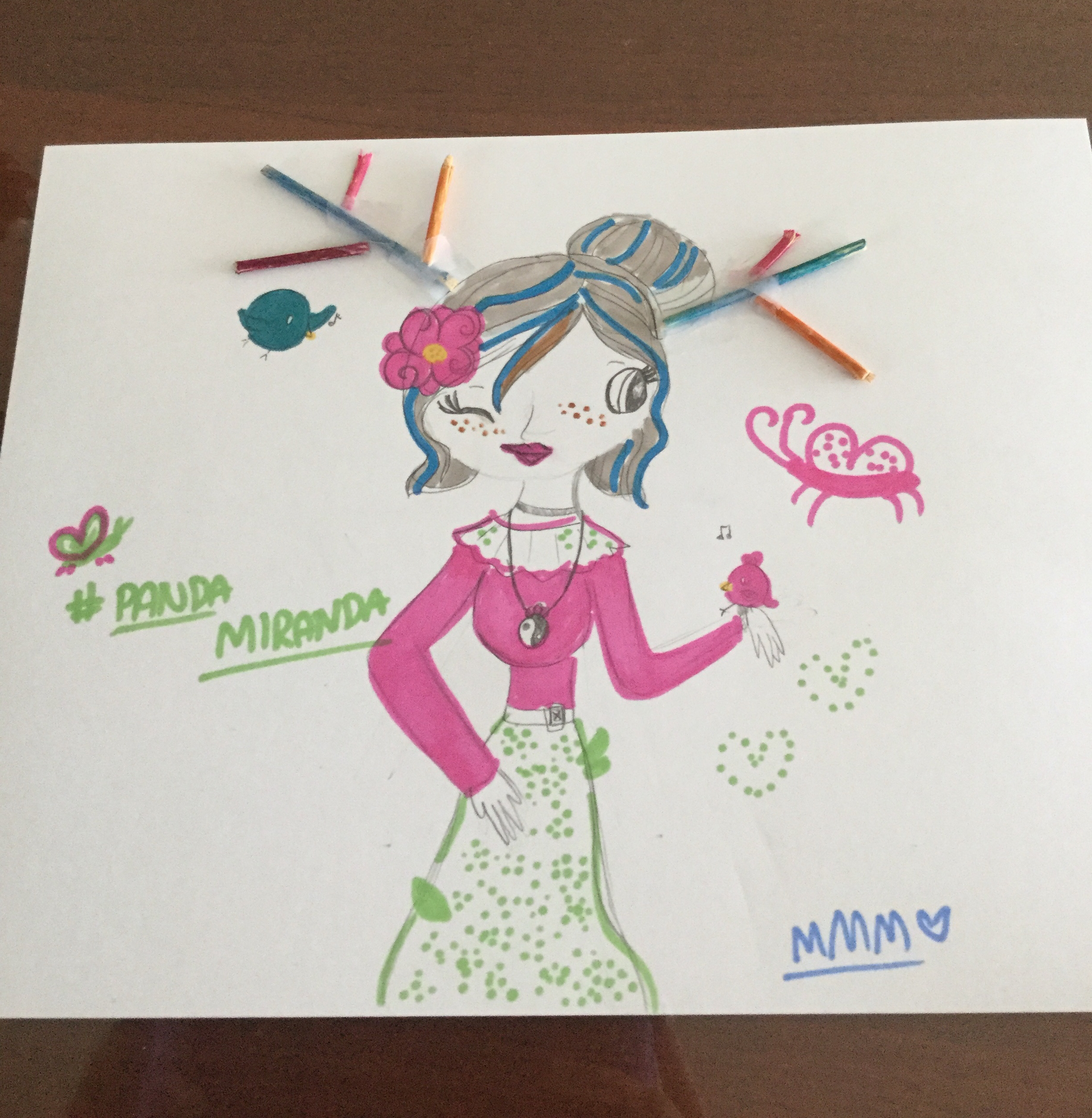
About this activity
Create a mixed-media masterpiece using paint, collage, fabric, and found objects to explore texture, color, and composition through guided layering and experimentation.
What you need
Step by step
- 1
Step 1
Cover your workspace with paper towels or an old sheet.
- 2
Step 2
Arrange your materials within reach on the covered workspace.
- 3
Step 3
Lay your paper or cardboard art base flat on the workspace.
- 4
Step 4
Lightly mark where you want the main shapes or focal point with a pencil.
- 5
Step 5
Paint a background color or textured strokes over the base with a wide brush.
- 6
Step 6
Tear or cut colored paper into shapes you like.
- 7
Step 7
Glue the paper shapes onto the painted base to build areas of color.
- 8
Step 8
Place fabric scraps onto the paper shapes where you want extra texture.
- 9
Step 9
Glue each fabric scrap down firmly onto the base.
- 10
Step 10
Arrange found objects where you want them on the artwork.
- 11
Step 11
Glue each found object securely onto the artwork.
- 12
Step 12
Add small paint details and textured marks with a smaller brush or your fingertips.
- 13
Step 13
Let the artwork dry completely.
- 14
Step 14
Add small accents or outlines using coloring materials like crayons markers or colored pencils.
- 15
Step 15
Share your finished creation on DIY.org
Fun facts
How do I create a mixed-media masterpiece with my child?
Set up a protected workspace and choose a sturdy base like canvas or heavy paper. Start with a painted background, then layer collage papers, fabric scraps, and found objects. Use glue or gel medium between layers and let each layer dry. Encourage experimenting with texture using sponges, combs, or palette knives. Guide composition by talking about balance, color, and focal points. Finish with a sealant if desired and celebrate the child’s choices.
What materials do I need for a mixed-media artwork?
Gather paint (acrylic or tempera), brushes, a canvas or heavy paper, glue or gel medium, scissors, and a selection of collage papers and fabric scraps. Add safe found objects like buttons, leaves, ribbon, cardboard, and textured items. Include texture tools (sponges, palette knife), a small container of water, paper towels, and old clothes or smocks. Optional: varnish to seal finished work and a tray to organize small pieces.
What ages is mixed-media art appropriate for?
This activity suits many ages: toddlers (2–3) do simple fingerpaint backgrounds with large safe pieces; preschoolers (3–5) enjoy guided collage and fabric sticking with supervision; school-age kids (6–9) can plan compositions and layer materials more independently; tweens and teens (10+) can experiment with complex textures, adhesives and mixed techniques. Always match materials and tools to the child’s developmental level and supervise small parts and hot tools.
What are the benefits, safety tips, and variation ideas for mixed-media projects?
Mixed-media art builds creativity, fine motor skills, problem-solving, and sensory exploration. Safety tips: avoid small choking hazards for young children, use child-safe glue, supervise scissors and hot glue, and protect surfaces and clothing. Variations: try theme-based collages (nature, family), restricted-color palettes, 3D relief pieces with found objects, or collaborative family canvases. Encourage reflection by asking children to describe textures, colors, and choices they made.
Watch & Learn
Need help?
What can I substitute if I don't have cardboard, fabric scraps, or a wide paint brush?
Use a flattened cereal box or chipboard as the paper or cardboard art base, torn cotton T‑shirt pieces instead of fabric scraps, and a clean sponge or small paint roller to create the painted background instead of a wide brush.
My fabric scraps or found objects keep falling off — how do I fix that?
Follow the step to glue each fabric scrap down firmly and each found object securely by using a stronger PVA/tacky craft glue, waiting until the painted background is completely dry, and weighting glued pieces with a heavy book while they set.
How can I adapt this mixed media project for younger kids or older kids?
For younger children, pre‑mark large shapes, pre‑tear colored paper, provide glue sticks and big brushes for painting the background, while older kids can add small paint details, textured marks, precise found‑object arrangements, or even hand‑stitch fabric scraps for extra complexity.
What are some ways to extend or personalize the finished artwork?
After letting the artwork dry completely, personalize it by adding accents or outlines with crayons or markers, sealing layers with Mod Podge or a clear varnish, sewing on fabric for texture, or attaching small LED lights to found objects before sharing on DIY.org.