Make a low impact campfire
Build a low impact campfire using a fire pan or raised rock ring, practice safe tinder preparation, minimal ash, and responsible extinguishing.
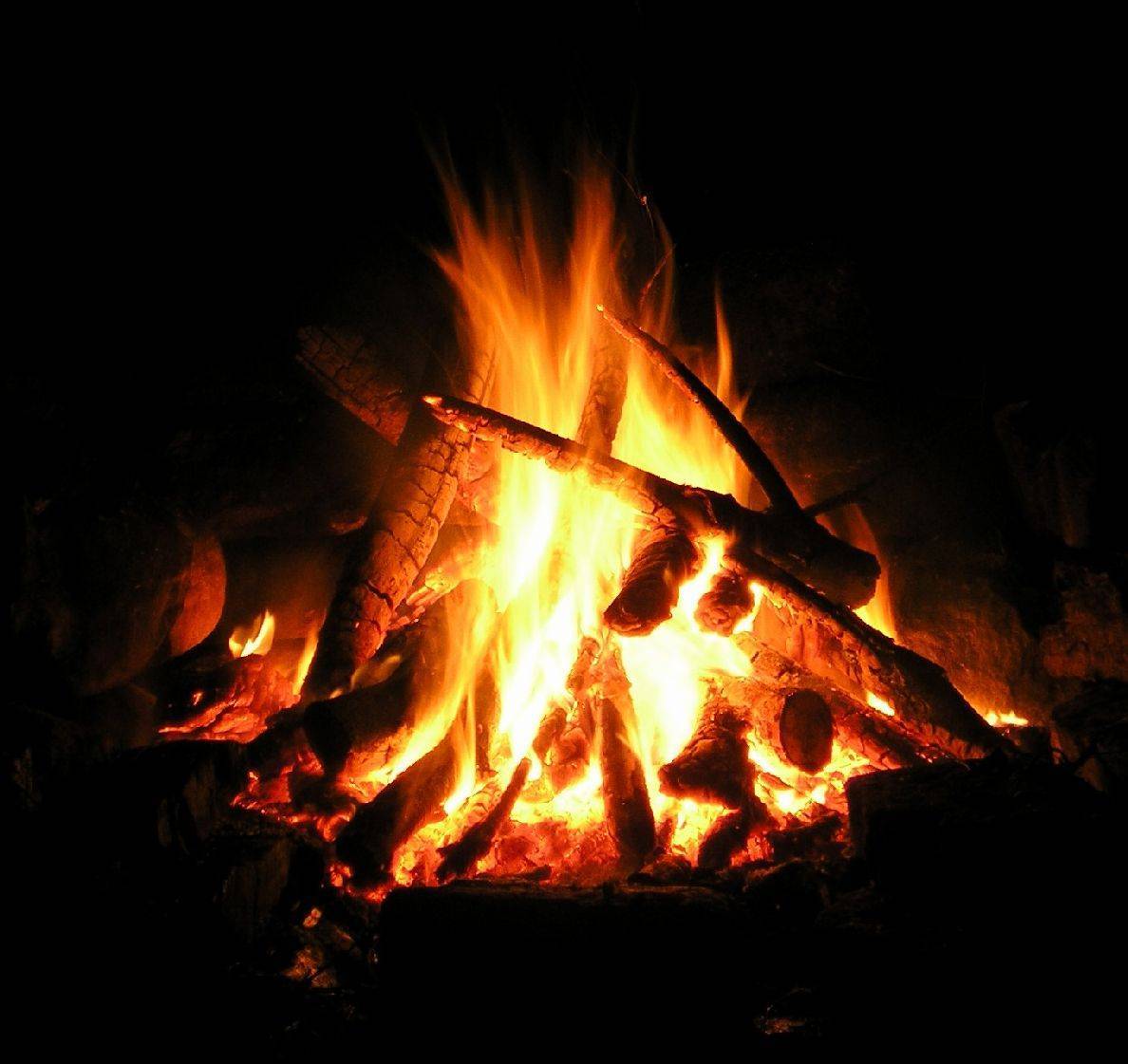
About this activity
Build a low impact campfire using a fire pan or raised rock ring, practice safe tinder preparation, minimal ash, and responsible extinguishing.
What you need
Step by step
- 1
Step 1
Pick a flat safe spot at least 10 feet away from tents trees and low branches so you have lots of space.
- 2
Step 2
Clear a three foot circle on the ground by removing leaves sticks and other flammable debris until the soil is visible.
- 3
Step 3
Set up your base by placing the fire pan on the cleared spot or by building a raised ring of rocks about 6 inches tall.
- 4
Step 4
Gather your tinder kindling and a couple of small fuel logs and keep them in three separate small piles.
- 5
Step 5
Make a small loose tinder bundle about the size of a tennis ball by fluffing the tinder so air can get in.
- 6
Step 6
Arrange several small kindling sticks in a tiny teepee shape over the tinder leaving a little gap to light it.
- 7
Step 7
Have an adult light the tinder with a match or lighter while you stand back and watch safely.
- 8
Step 8
If the flame is weak ask the adult to gently blow at the base to help the fire grow slowly.
- 9
Step 9
Add one or two more kindling sticks as the fire strengthens keeping the flames low and under the rim of the pan or rock ring.
- 10
Step 10
Only add one small fuel log at a time and wait until it is burning well before adding another.
- 11
Step 11
Keep your water bottle or bucket and your shovel within arm's reach the whole time you have the fire.
- 12
Step 12
When you are ready to put the fire out ask an adult to slowly pour small amounts of water over the flames until the hissing stops.
- 13
Step 13
Ask the adult to stir the wet embers with the shovel and continue adding water until everything is cool to the touch.
- 14
Step 14
Scoop the cooled ash into the metal container and carry it out to pack it home so the site stays clean.
- 15
Step 15
Share your finished low impact campfire setup and what you learned on DIY.org
Fun facts
How do you build a low-impact campfire using a fire pan or raised rock ring?
Start by choosing a legal, level site and follow local rules. Use a metal fire pan or build a raised rock ring on bare mineral soil to protect ground vegetation. Prepare small, dry tinder and small kindling; arrange a tiny tepee or log-cabin structure on the pan. Light safely with a match or lighter, keeping flames low. Keep tools and water nearby, stir and soak ashes when done, ensure everything is cool before leaving. Pack out ash if required by park rules.
What materials do I need to make a low-impact campfire for kids?
You'll need a fire pan or sturdy metal basin, flat rocks for a raised ring (if allowed), a small shovel or trowel, matches or a lighter, reliable tinder (cotton balls, dryer lint in a container, or commercial tinder), kindling and small logs, a metal bucket or large water bottle for extinguishing, heat-resistant gloves, and a whistle or phone for emergencies. Also carry a small bag to pack out ash or debris if required by local rules.
What ages are suitable for building a low-impact campfire with children?
Children as young as 3–5 can help with safe, non-fire tasks like gathering sticks and learning rules, but they should never be left near fire. Ages 6–9 can assist with tinder prep and supervised small tasks while an adult handles ignition. Ages 10+ can learn to tend a low-impact fire and practice extinguishing with close adult oversight. Tailor responsibilities to maturity, always maintain adult supervision, clear boundaries, and follow local regulations.
What safety tips and benefits does a low-impact campfire teach children?
Low-impact campfires teach fire safety, responsibility, Leave No Trace principles, teamwork, and outdoor skills like cooking and heat management. Safety tips: always check fire bans, choose a legal site, keep the fire very small, set a firm adult-to-child supervision ratio, keep water and a shovel nearby, wear non-flammable clothing, and establish a clear safety perimeter. Fully extinguish by stirring and soaking until cool, then pack out ash if required. Reinforce rules before and after the act
Watch & Learn
Need help?
What can we use if we can't find a fire pan or a 6-inch rock ring?
If you don't have a fire pan or enough rocks, use a large metal baking tray or old cast-iron skillet placed on the cleared three-foot circle or pack damp soil into a 6-inch raised rim to form a safe ring.
The tinder won't catch or the flame stays tiny—what should we try?
Make sure the tinder bundle is loose and dry as instructed (about the size of a tennis ball), have an adult light it and gently blow at the base if the flame is weak, and add only small dry kindling one or two sticks at a time until the fire strengthens.
How can we adapt this activity for different ages?
For younger children, let them clear the three-foot circle and fluff the tinder while an adult handles lighting and pouring water, and for older kids let them build the 6-inch rock ring, arrange the teepee of kindling, and practice putting the fire out with supervision.
How can we extend or personalize the low-impact campfire activity?
Extend the activity by having kids decorate a removable rock ring, keep a checklist of steps to share on DIY.org, or safely cook a foil packet meal once the fire is low and under the rim of the pan.