Make A Fab Feather Painting
Create a colorful feather painting using clean craft feathers, tempera paint, and paper. Experiment with textures, patterns, and color mixing to make art.
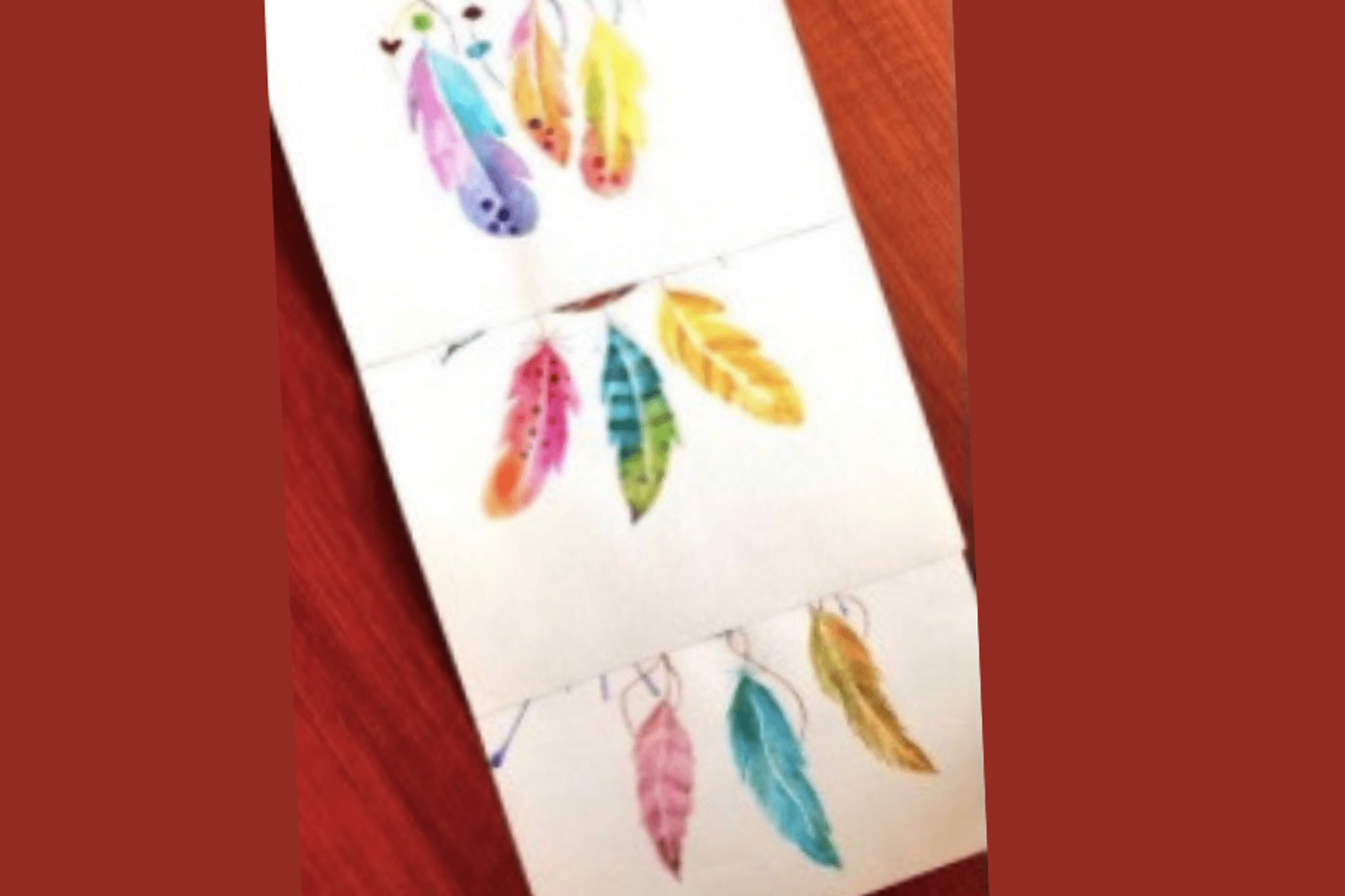
About this activity
Create a colorful feather painting using clean craft feathers, tempera paint, and paper. Experiment with textures, patterns, and color mixing to make art.
What you need
Step by step
- 1
Step 1
Cover your table with newspaper to protect it from paint.
- 2
Step 2
Place your paper on the protected workspace.
- 3
Step 3
Decide whether you want your paper tall or wide and turn it that way.
- 4
Step 4
Put small blobs of each paint color onto the paper plate or palette.
- 5
Step 5
Fill the cup with water for rinsing brushes and feathers.
- 6
Step 6
Place the paper towel next to your cup so you can dry feathers or wipe brushes.
- 7
Step 7
Choose one clean feather and gently dip its tip into one paint color.
- 8
Step 8
Drag the painted feather across the paper in one smooth motion to make a textured streak.
- 9
Step 9
Rinse the feather in the cup of water to clean off the paint.
- 10
Step 10
Dry the feather on the paper towel before using a new color.
- 11
Step 11
Choose a new feather and dip it into a different paint color.
- 12
Step 12
Make overlapping strokes with the new feather to mix colors and build patterns.
- 13
Step 13
Use a paintbrush or toothpick to add fine lines or dots for feather veins and extra detail.
- 14
Step 14
Let your painting dry completely on a flat surface for at least 30 minutes.
- 15
Step 15
Share your finished feather painting on DIY.org.
Fun facts
How do I make a Fab Feather Painting?
Start by covering your work surface and wearing a smock. Tape paper down. Pour small puddles of tempera on a palette. Either brush paint onto feathers or dip feather tips lightly in paint. Press feathers onto paper, drag for streaks, or use edges to stamp patterns. Layer colors, try wet-on-wet mixing, and add background washes. Let pieces dry flat, then optionally add details with markers. Clean feathers and brushes when finished.
What materials do I need for a Fab Feather Painting?
You'll need clean craft feathers in various sizes and colors, tempera or washable poster paints, heavy paper or mixed-media paper, a palette or plates for paints, brushes, a cup of water, paper towels, an apron, and tape to secure the paper. Optional extras: glitter glue, markers for details, sponges for texture, a spray bottle for misting, and a tray to keep feathers organized. Use washable supplies for easy cleanup.
What ages is a Fab Feather Painting suitable for?
This craft suits preschool through elementary ages with supervision. Ages 3–5 enjoy dipping and stamping feathers with adult help to avoid small parts and messy paint. Ages 6–10 can experiment with layering, color mixing, and more detailed patterns independently. Children under 3 should avoid loose feathers because of choking risk. Always supervise young children, provide non-toxic paints, and adapt complexity to your child's attention and skill level.
What are the benefits of making feather paintings with kids?
Feather painting boosts fine motor skills, sensory exploration, and color awareness. Children learn cause-and-effect by dipping and stamping feathers, experiment with mixing hues, and practice pattern recognition. The activity encourages creativity, patience, and decision-making as kids layer textures and compositions. It's calming and suitable for group or solo play, supports language development when describing colors and patterns, and produces a proud, displayable art piece.
Watch & Learn
Need help?
What can we use instead of clean feathers or a paper plate if those are hard to find?
If you can't find clean feathers, use a cotton swab, small sponge, or a strip of cardboard to drag paint across the paper, and replace the paper plate/palette with a clean lid or saucer to hold the paint (Steps 4, 7–8).
My feather streaks are blotchy or dripping—how can I fix that?
If the feather makes blotchy streaks or drips during Step 8, blot excess paint on the paper towel (Step 6), dip only the feather tip, and drag it in one smooth motion to create a textured streak.
How can I adapt this feather painting for younger children or make it more challenging for older kids?
For toddlers, pre-load one feather with a single color and guide their hand for simple strokes (Steps 7–8), while older kids can layer overlapping colors, use a toothpick or paintbrush for fine veins (Step 13), and experiment with more colors on the palette (Step 4).
How can we extend or personalize the finished feather painting once it’s dry?
After the painting dries (Step 14), glue on a few real feathers, add metallic or glitter accents with the paintbrush (Step 13), then frame or photograph your artwork to share on DIY.org (Step 15).