Make a DIY Jingle
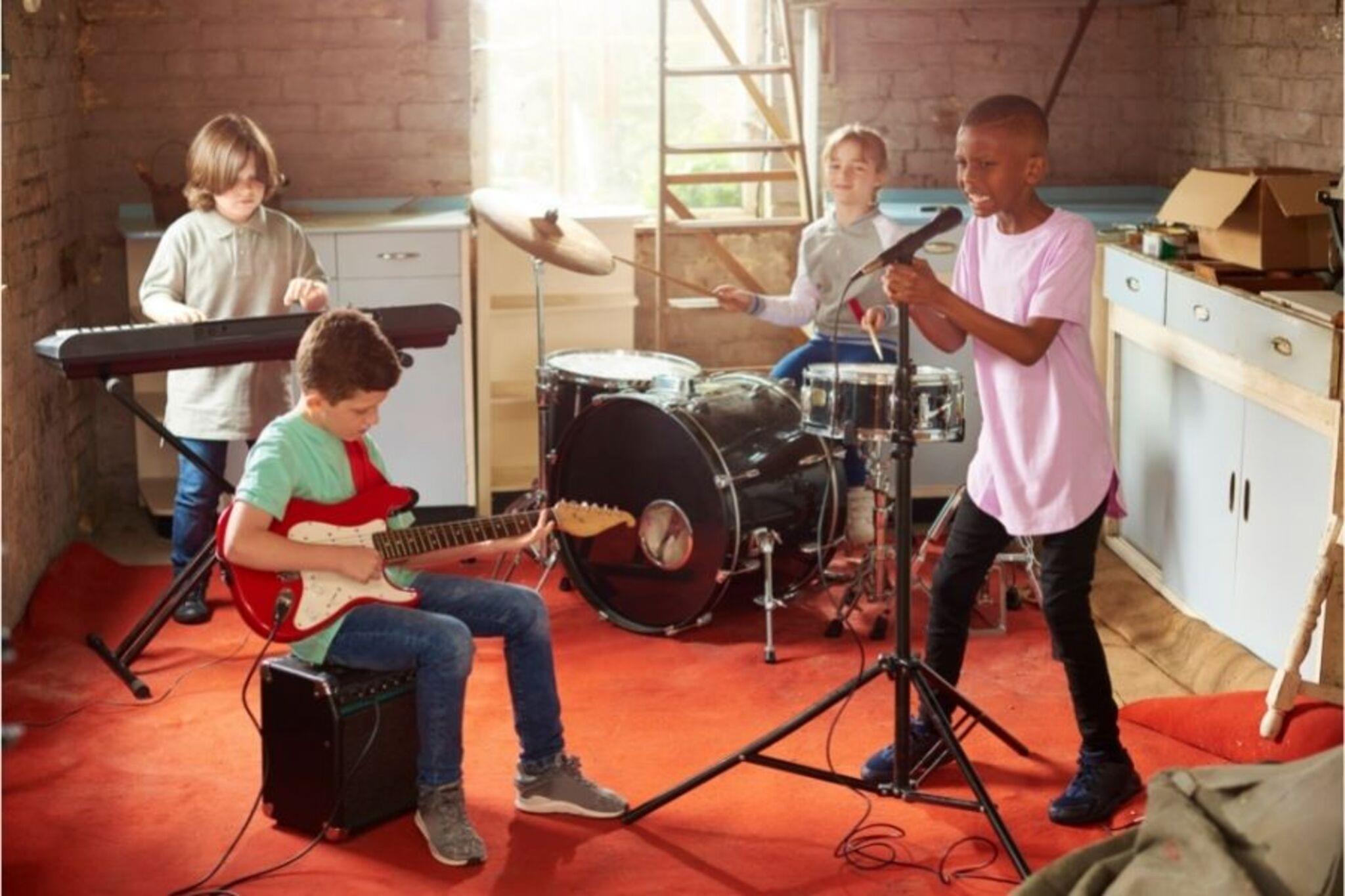
Make a DIY jingle by writing short lyrics, creating rhythm with household items, composing a melody, and recording your song to share with family.
About this activity
Make a DIY jingle by writing short lyrics, creating rhythm with household items, composing a melody, and recording your song to share with family.
What you need
Step by step
- 1
Step 1
Gather all your materials and bring them to your work space.
- 2
Step 2
Decide what your jingle is about and pick one short catchy message to sell or celebrate.
- 3
Step 3
Write two to four short lines that say your main message in simple fun words.
- 4
Step 4
Choose two or three household items to be your rhythm instruments.
- 5
Step 5
Tap a steady 4 beat pattern with your rhythm items until it feels comfortable.
- 6
Step 6
Hum short tunes while keeping the beat and choose the melody that feels happiest.
- 7
Step 7
Sing your lyrics along with the melody to see which words need changing to fit the tune.
- 8
Step 8
Pick one short line to repeat as your chorus so people will remember it.
- 9
Step 9
Practice your whole jingle with the rhythm and melody three times in a row.
- 10
Step 10
Record your full performance in a quiet room so your voice and instruments are clear.
- 11
Step 11
Listen to your recording and re-record any part that could sound better.
- 12
Step 12
Upload your finished jingle to DIY.org so your family and friends can enjoy it.
Fun facts
How do I make a DIY jingle with my child?
Start by picking a theme or message (a family member, pet, or holiday). Write a short catchy chorus (2–4 lines) and one simple verse. Build a rhythm using household items (pots, spoons, a rice shaker) to create a steady beat. Hum or sing a simple melody to match the chorus. Rehearse, then record on a phone or tablet—layer extra sounds if you like. Keep it short (15–45 seconds) and share with family.
What materials do I need to make a DIY jingle at home?
You’ll need a phone or tablet with a recording app, paper and a pen for lyrics, and household items for rhythm (pots, wooden spoons, rice in a sealed container, clapping, or a box drum). Optional items: a small keyboard, kazoo, or free music apps (GarageBand, BandLab). Also use headphones for monitoring and a quiet room to reduce background noise. Adult supervision is recommended for small children handling devices.
What ages is making a DIY jingle suitable for?
Suitable for preschoolers through tweens with adult help. Ages 3–5 enjoy simple rhythm and singing with a caregiver guiding lyrics and recording. Ages 6–9 can write short rhymes, keep steady beats, and participate in basic recording. Ages 10–14 can compose melodies, arrange parts, and use simple apps to layer tracks. Always supervise recording devices and loud instruments; adapt tasks to each child’s fine-motor and reading level.
What are the benefits, safety tips, and fun variations for making a DIY jingle?
Making jingles builds language, rhyme awareness, rhythm, creativity, teamwork, and confidence. It strengthens listening and memory while supporting early music skills and public speaking. For safety, avoid very loud prolonged banging—use soft mallets and lower volume on recordings. Variations: write a family-theme jingle, a holiday tune, an advertisement-style jingle for a favorite toy, or translate the jingle into another language to practice vocabulary.
Watch & Learn
Need help?
What can we use if we don’t have rhythm instruments, a recording device, or a quiet room?
Use household items like a pot and wooden spoon for drums, a sealed water bottle as a shaker, record with a smartphone or tablet, and make a pillow-lined closet or bathroom your quiet room before uploading to DIY.org.
My tapping keeps speeding up and the words don’t fit the tune—how do we fix that?
Tap the steady 4-beat pattern slowly with a metronome app or a parent’s clap to lock the tempo, count syllables while you hum short tunes to line up lyrics with the melody, and re-record in the quiet room if background noise ruins a take.
How can we adapt this activity for different age groups?
For preschoolers, simplify to one short line and one rhythm item (like clapping) with a parent helping record, while older kids can write 2–4 lines, choose 2–3 household instruments, practice the whole jingle three times, and try harmonies before uploading to DIY.org.
What are easy ways to extend or personalize our jingle once it’s working?
Make it more memorable by repeating a short chorus, adding simple sound effects (spoon taps, door knock), layering extra vocal or instrument tracks during recording, or creating a short video to accompany the upload to DIY.org.