Make a Collage Zoo!
Create a collage zoo using magazine cutouts, colored paper, glue, and markers while designing habitats, arranging animals, and explaining your choices.
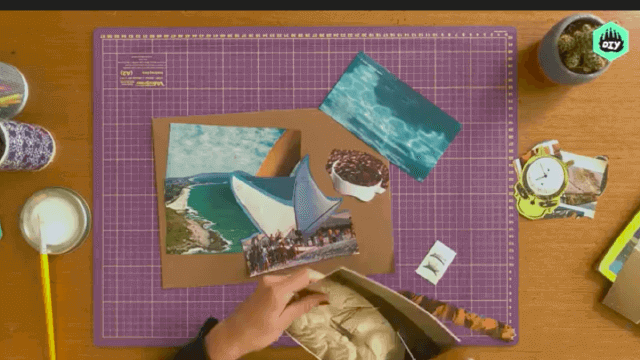
About this activity
Create a collage zoo using magazine cutouts, colored paper, glue, and markers while designing habitats, arranging animals, and explaining your choices.
What you need
Step by step
- 1
Step 1
Pick a large sheet of cardboard or poster paper and place it flat on your workspace.
- 2
Step 2
Use a pencil to lightly draw separate habitat zones on the base like forest desert ocean and grassland.
- 3
Step 3
Look through magazines and choose at least six animal pictures you want in your zoo and mark their pages.
- 4
Step 4
Carefully cut out the animal pictures from the magazines with scissors.
- 5
Step 5
Arrange the animal cutouts on the habitat zones without gluing to decide where each animal will live.
- 6
Step 6
Cut shapes from colored paper to make habitat elements like trees rocks water and sand.
- 7
Step 7
Glue the colored paper habitat pieces onto the matching zones on your base.
- 8
Step 8
Glue each animal cutout into its chosen habitat spot on the base.
- 9
Step 9
Use markers to draw extra details like grass waves clouds and sun to make each habitat come alive.
- 10
Step 10
Write a short sentence beside each animal explaining why it belongs in that habitat using your markers.
- 11
Step 11
Take a photo of your finished collage zoo and share your creation on DIY.org.
Fun facts
How do I make a collage zoo with my child?
Start by covering your work surface and choosing a base (cardstock or cardboard). Decide which habitats to include—forest, desert, ocean—and gather magazine images and colored paper. Let your child sort and arrange animal cutouts and background shapes without gluing first. Glue pieces in layers, adding details with markers or torn paper. Encourage your child to label habitats and explain why each animal belongs there. Finish with a protective spray or laminate if desired.
What materials do I need to make a collage zoo?
Gather old magazines, colored construction paper, a sturdy base (cardboard or large sheet), child-safe scissors, glue sticks (or school glue), and washable markers or crayons. Optional extras: tissue paper, stickers, googly eyes, magazines with animal photos, tape, a ruler for straight edges, and a protective mat or newspaper to catch scraps. Have wet wipes and a trash bin nearby for quick clean-up and safety.
What ages is a collage zoo activity suitable for?
This collage zoo is good for preschoolers through elementary kids. Ages 3–4 enjoy sorting pre-cut pictures and sticking with supervision; provide larger, simpler shapes. Ages 5–7 can cut magazine images with child-safe scissors and plan basic habitats. Ages 8–12 can design more detailed scenes, layer elements, write labels, and explain animal choices. Always supervise cutting and small pieces for younger children and adapt complexity to attention span and motor skills.
What are the benefits of making a collage zoo?
Making a collage zoo boosts creativity, fine motor coordination, and visual-spatial skills as kids cut, arrange, and layer images. It encourages learning about habitats and animal behavior while building vocabulary and storytelling as children explain their choices. The activity supports problem-solving, focus, and confidence, and offers low-prep, screen-free family time. You can extend learning by researching animals afterward or turning the collage into a classroom display or gift.
Watch & Learn
Need help?
What can we use if we don't have magazines, colored paper, or a large sheet of cardboard?
If you don’t have magazines or colored paper, print animal images from the internet or cut pictures from old newspapers, and substitute a flattened cereal box, poster board, or an old cardboard shipping box for the large sheet of cardboard while using fabric scraps or construction paper for habitat pieces.
My animal cutouts keep sliding or tearing when I try to arrange and glue them — how can I fix that?
When arranging without glue, tack cutouts in place with small pieces of removable tape, reinforce thin edges with clear tape before cutting, and use a glue stick or white craft glue then press the collage under a heavy book while drying to prevent slipping and warping.
How can I adapt the activity for younger or older kids?
For preschoolers, draw fewer habitat zones and pre-cut animal and habitat shapes for them to glue, while older kids can add more than six animals, research facts and write longer sentences beside each animal, and build 3D elements with recycled materials.
What are simple ways to enhance or personalize our finished Collage Zoo?
Personalize the collage by adding textured materials like cotton for clouds and sandpaper for rocks, creating movable flaps or pop-up elements with extra cardboard, labeling animals with short facts using your markers, and photographing the finished zoo to share on DIY.org.