Make a chemical indicator
Make a red cabbage pH indicator using chopped cabbage and warm water, then test household liquids to observe colorful pH changes safely.
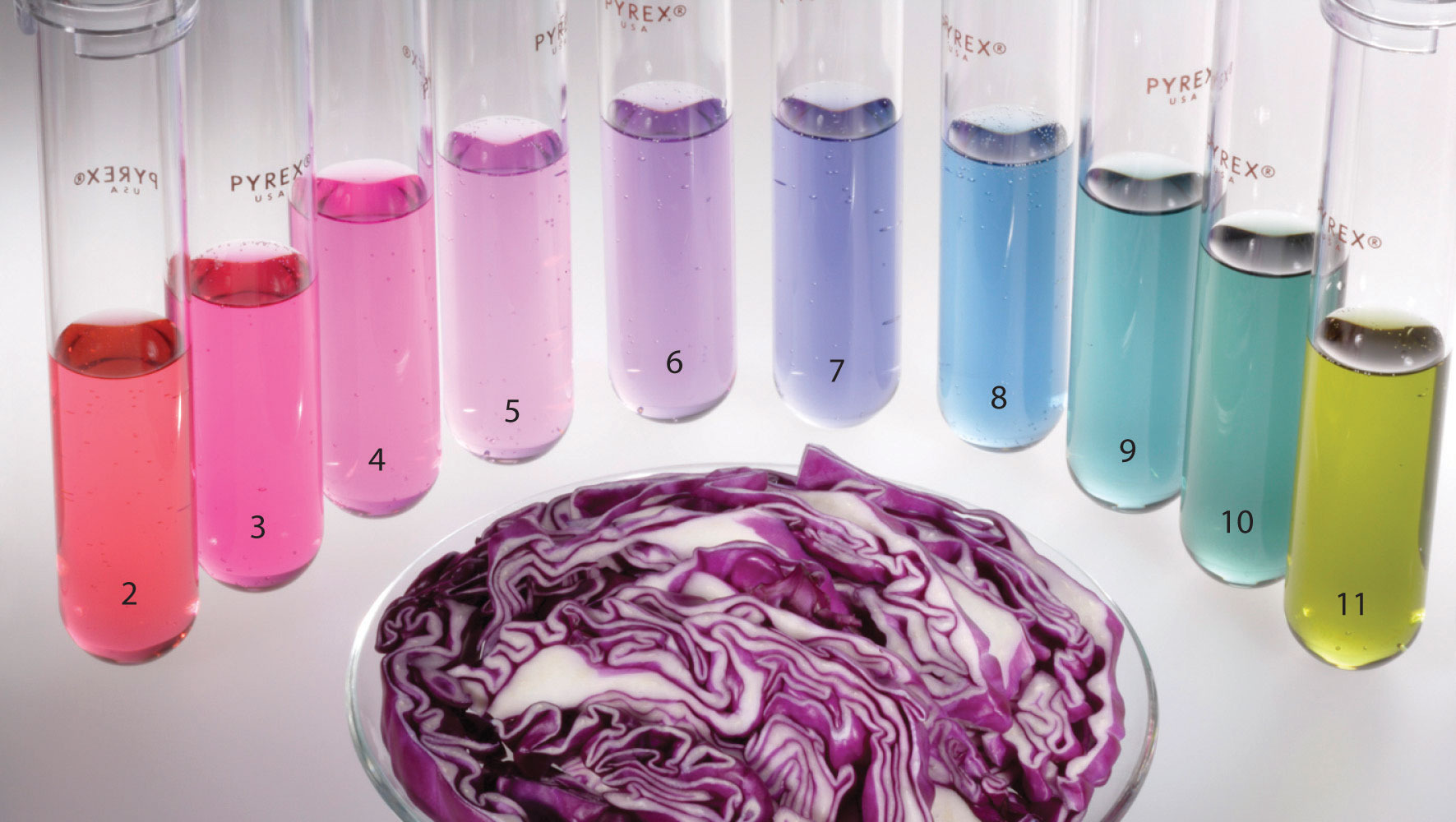
About this activity
Make a red cabbage pH indicator using chopped cabbage and warm water, then test household liquids to observe colorful pH changes safely.
What you need
Step by step
- 1
Step 1
Gather all the materials on a clean table so everything is ready.
- 2
Step 2
Ask an adult to chop the red cabbage into small pieces on the cutting board.
- 3
Step 3
Put the chopped cabbage into the heatproof bowl.
- 4
Step 4
Ask an adult to heat water until it is warm but not boiling.
- 5
Step 5
Ask the adult to pour the warm water over the cabbage until the pieces are covered.
- 6
Step 6
Stir the cabbage and water gently with the spoon for about 30 seconds.
- 7
Step 7
Wait 10 to 15 minutes for the water to turn deep purple as the color comes out of the cabbage.
- 8
Step 8
Have an adult strain the purple cabbage liquid into clear cups so only the purple juice is left in the cups.
- 9
Step 9
Label each cup with the name of one household liquid you will test.
- 10
Step 10
Add a small spoonful of each household liquid into its labeled cup using a clean spoon for each test.
- 11
Step 11
Observe the color change in each cup and write down the new color next to the liquid name on your white paper plate or in your notebook.
- 12
Step 12
Rinse the spoons and cups and put away materials with the help of an adult.
- 13
Step 13
Take a photo and share your red cabbage pH indicator experiment and results on DIY.org.
Fun facts
How do I make a red cabbage pH indicator with my child?
To make a red cabbage pH indicator, chop a few cups of red cabbage and place in a pot. Cover with boiling water and simmer 10–15 minutes, or pour warm water over chopped cabbage and steep until deeply colored. Strain the liquid into a clear container and let cool; this is your indicator. Put small amounts into clear cups, add drops of household liquids (vinegar, baking soda solution, lemon juice, soap) and watch color changes. Record results and rinse containers after use.
What materials do I need to make a red cabbage pH indicator?
You'll need red (purple) cabbage, a cutting board and knife (or blender), a pot or heatproof jar, hot water, a strainer or cheesecloth, clear jars or cups, droppers or spoons, and several household test liquids like vinegar, baking soda dissolved in water, lemon juice, dish soap, and cola. Optional: pH chart, funnels, gloves, aprons, labels, and paper for notes. Substitute microwaving or steeping if you don't want to boil.
What ages is the red cabbage pH indicator activity suitable for?
This experiment suits preschoolers through teens with different levels of supervision. Ages 3–5 can watch colors and help stir with adult supervision; ages 6–9 can help chop (with a safe knife), mix solutions, and record observations; ages 10+ can design comparisons and measure pH more precisely. Always supervise any cutting, boiling, or hot water steps and remind children never to taste the indicator or test solutions.
What are the benefits, safety tips, and variations for the red cabbage pH indicator experiment?
Benefits include hands-on learning about acids, bases, observation skills, color recognition, and introducing the scientific method. Safety tips: always supervise cutting and hot water, label test cups, don't let children taste samples, wear gloves or goggles for very young kids or curious experimenters, and clean spills promptly. Variations: make pH paper by soaking coffee filters in indicator, freeze indicator in ice trays for color experiments, or compare other natural indicators like turmeri
Watch & Learn
Need help?
What can we use instead of red cabbage or a kitchen strainer if those are hard to find?
If you can't find red cabbage, steep chopped red onion skins or crushed frozen blueberries the same way in the heatproof bowl, and if you lack a strainer pour the mixture through a clean coffee filter or mesh sieve into the clear cups.
What should we do if the water doesn't turn deep purple after waiting 10–15 minutes in step 6?
If the liquid stays pale after step 6, have an adult pour nearly boiling water over the chopped cabbage, gently mash the pieces with the spoon, and wait another 10 minutes so more color extracts into the bowl before straining.
How can we adapt the steps for younger children or make it more challenging for older kids?
For toddlers, have an adult do the chopping and heating and let the child pour, label cups, and observe color changes, while older kids can measure exact spoonfuls, test more household liquids, and record colors and pH estimates in their notebook.
How can we extend or personalize the red cabbage pH indicator activity after recording the results?
Extend the experiment by creating a pH color chart on the white paper plate using known acids like vinegar and bases like a baking-soda solution in labeled cups, photographing the gradient, and then sharing the step-by-step results on DIY.org.