Love Dogs?! Draw It with DIY Star @thedragonkeepercat
Draw a friendly dog step-by-step with DIY artist tips from @thedragonkeepercat, learning basic shapes, facial features, fur texture, proportions, and coloring techniques.
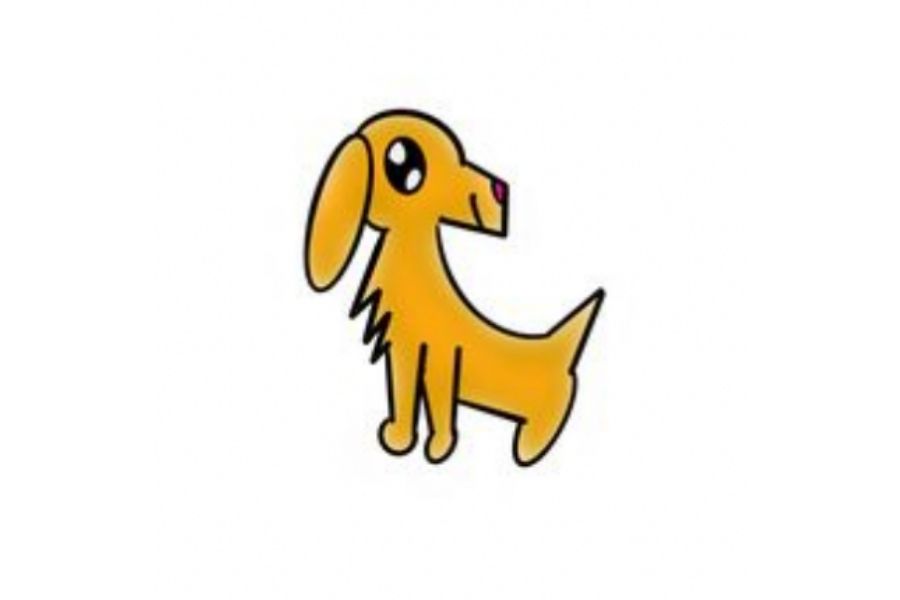
About this tutorial
Draw a friendly dog step-by-step with DIY artist tips from @thedragonkeepercat, learning basic shapes, facial features, fur texture, proportions, and coloring techniques.
What you need
Instructions
- 1
Step 1
Sit at a table in a comfortable spot with good light.
- 2
Step 2
Visit @thedragonkeepercat and look at their friendly dog drawing tips for inspiration.
- 3
Step 3
Lightly draw a big oval in the middle of the paper for the dog's body.
- 4
Step 4
Lightly draw a circle overlapping the top of the oval for the dog's head.
- 5
Step 5
Draw a light vertical line and a horizontal line across the head to place the face.
- 6
Step 6
Add two ear shapes on the top sides of the head using simple curved lines.
- 7
Step 7
Draw two round eyes on the horizontal guideline.
- 8
Step 8
Draw a small rounded triangle nose where the vertical guideline meets the lower part of the head.
- 9
Step 9
Draw a smiling mouth and a little tongue under the nose with curved lines.
- 10
Step 10
Add a tail and short quick strokes along the body and face to show fur texture.
- 11
Step 11
Trace your favorite lines with the black marker and let the ink dry.
- 12
Step 12
Gently erase all the pencil guidelines.
- 13
Step 13
Color your dog using lighter pressure for highlights and darker pressure for shadows.
- 14
Step 14
Share your finished friendly dog drawing on DIY.org.
Fun facts
How do you draw a friendly dog step-by-step with DIY artist tips from @thedragonkeepercat?
Start by guiding the child to sketch basic shapes: a circle for the head and an oval for the body. Add guidelines for eyes, nose, and mouth to get proportions right. Draw ears, legs, and tail using simple shapes, then add facial features and short strokes to suggest fur texture. Follow @thedragonkeepercat’s DIY tips to simplify complex lines, erase construction marks, refine outlines, and finish with coloring and highlights.
What materials do I need for the 'Love Dogs?! Draw it with DIY Star @thedragonkeepercat' activity?
You'll need plain drawing paper, a pencil set (HB and 2B), a soft eraser, and a sharpener. Add colored pencils, washable markers, or crayons for coloring; optional fine liners or gel pens to outline. A blending stump or cotton bud helps soften shading. Have a simple reference image from @thedragonkeepercat and a flat surface. Use kid-safe, washable supplies for younger children and protective cloth for tablet drawing.
What ages is this dog-drawing activity suitable for?
This activity works well for ages 4–12. Preschoolers (4–6) can follow simple step-by-step shapes with adult help, focusing on basic circles and ovals. Elementary children (7–9) can add facial features, fur strokes, and basic coloring. Older kids (10–12) can refine proportions, texture, and shading using @thedragonkeepercat’s tips. Always supervise younger children and tailor complexity to each child's fine motor skills and attention span.
What are the benefits of drawing dogs with step-by-step tips from @thedragonkeepercat?
Drawing with step-by-step tips from @thedragonkeepercat builds fine motor skills, shape recognition, and visual observation. Children practice patience, proportion, and color blending while developing confidence and creativity. Art time supports emotional expression, concentration, and parent-child bonding if done together. Encourage experimentation with textures and colors to reinforce problem-solving and pride in finished work. It's low-cost, calming, and adaptable to different skill levels.
Watch & Learn
Need help?
What can we use if we don't have a black marker to trace our favorite lines?
Use a fine-tip black pen, a dark gel pen, or a dark crayon to trace your favorite lines in place of the black marker and let the ink or wax dry before erasing the pencil guidelines.
My pencil guidelines smudge after inking—how do I fix that?
If the pencil smudges after tracing with the black marker, wait until the marker is completely dry, then gently erase with a soft white eraser or hide any remaining marks by adding short fur strokes as suggested in the instructions.
How can I adapt this drawing activity for younger children or older kids?
For younger kids, pre-draw the big oval and overlapping circle and let them add simple eyes and color, while older kids can refine the light vertical and horizontal facial guidelines, add detailed fur texture, and practice shading by using lighter pressure for highlights and darker pressure for shadows.
What are some fun ways to personalize or extend our finished friendly dog drawing?
Add a collar with a name tag, change the tail or fur patterns with quick strokes, create a background scene or use watercolor and stickers, then share your finished friendly dog drawing on DIY.org and tag @thedragonkeepercat.