Level up your Minecraft armor and tools
Make upgraded Minecraft-style armor and tools from cardboard, tape, and paint; decorate and test them while learning about materials, design, and problem-solving.


Step-by-step guide to level up your Minecraft armor and tools
How to craft Netherite Armor & Tools in Minecraft 1.20
Step 1
Gather all your materials in one spot so you are ready to build.
Step 2
Pick one Minecraft-style item to make like a helmet chestplate sword or pickaxe.
Step 3
Measure the body part the item will fit like your head chest or forearm and remember the number.
Step 4
Draw the full-size shape of your chosen item on the cardboard using your pencil and ruler.
Step 5
Cut out the cardboard shapes carefully along your lines using scissors with adult supervision.
Step 6
Layer and tape pieces together to make the item thicker or to curve it into shape.
Step 7
Attach straps or handles with elastic or string and secure them with tape or glue so you can wear or hold the item.
Step 8
Cut small cardboard pieces for decorative details and glue or tape them onto your item.
Step 9
Reinforce seams edges and weak points with extra masking tape for strength.
Step 10
Decorate your item with paint using base colors and pixel-style details to look like Minecraft.
Step 11
Let the paint dry completely before touching your item.
Step 12
Put on or hold your finished armor or tool to check the fit.
Step 13
Move like you are mining or battling and watch for any weak spots or loose pieces.
Step 14
Strengthen weak spots by adding more tape or a cardboard patch and reattach any loose decorations.
Step 15
Share a photo and description of your finished creation on DIY.org.
Help!?
What can I use if I don't have cardboard, elastic, or paint?
Use cereal boxes or poster board in place of cardboard, ribbon or fabric scraps instead of elastic for straps, and washable tempera paint or permanent markers as alternatives to craft paint during the 'decorate your item with paint' step.
My sword/helmet keeps bending or decorations fall off—what should I do?
If the item bends or decorations come loose while you 'move like you are mining or battling', layer and tape extra cardboard pieces, reinforce seams and edges with more masking tape, and reattach decorations with strong glue or extra tape.
How can I adapt this project for younger kids or older kids wanting more challenge?
For younger children, pre-measure and pre-cut the shapes and let them color with markers or stickers under supervision during the 'cut out' and 'decorate' steps, while older kids can take precise measurements, use a craft knife with adult help to curve layers, and create more detailed pixel patterns when painting.
How can we upgrade or personalize the finished armor or tool?
Personalize and strengthen your creation by adding foam padding under straps, swapping tape straps for Velcro on the 'attach straps' step, gluing in small battery LED lights before decorating for glow effects, and sealing the paint with a clear spray for durability.
Watch videos on how to level up your Minecraft armor and tools
BEST Enchantments for ALL Tools/Armour in Minecraft! (ULTIMATE GUIDE)
4 Videos
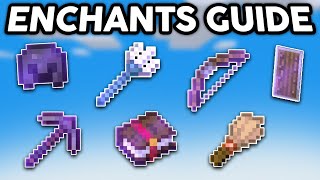
BEST Enchantments for ALL Tools/Armour in Minecraft! (ULTIMATE GUIDE)
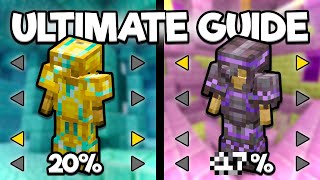
Ultimate Guide to Armor Trims in Minecraft 1.21
NEW Ultimate Minecraft Enchanting Guide 1.21 | Best Enchantments for EVERY Weapon, Tool, Armor
Tinkers Construct tutorial / guide 1.16.5 - 1.18.2 The best tools and armor (minecraft java edition)
Facts about cardboard crafts and design
🕹️ Minecraft first launched in 2011 and has sold over 200 million copies, making it one of the best-selling video games.
📦 Corrugated cardboard is made of two flat liner boards and a wavy fluted layer — that flute gives cardboard surprising strength for props and armor.
🛡️ Minecraft armor comes in tiers (leather, iron, diamond, netherite) — each tier increases protection and durability.
🎨 Sealing cardboard with a primer or a thin glue layer helps paint stick and prevents the board from warping when wet.
🧠 Engineers prototype and iterate: small fixes like adding straps or reinforcement often solve problems faster than starting over.
How do I make upgraded Minecraft armor and tools from cardboard?
What materials do I need to make upgraded Minecraft armor and tools?
What ages is this cardboard Minecraft armor project suitable for?
What are the benefits of making Minecraft-style armor and tools, and any safety tips or variations?
