Learn the Two Step
Learn and practice the Two Step dance by counting beats, following basic foot patterns, and improving balance and rhythm with short music sessions.
About this activity
Learn and practice the Two Step dance by counting beats, following basic foot patterns, and improving balance and rhythm with short music sessions.
What you need
Step by step
- 1
Step 1
Put on your comfortable shoes so your feet are ready to move.
- 2
Step 2
Clear a safe open space by moving toys and furniture out of the way.
- 3
Step 3
Warm up by marching in place for 30 seconds to wake up your legs.
- 4
Step 4
Choose an upbeat song with a steady beat and get it ready to play.
- 5
Step 5
Press play and clap or tap to the beat for 8 counts to feel the rhythm.
- 6
Step 6
Stand with your feet together and say the count out loud “1-2-3-4” once.
- 7
Step 7
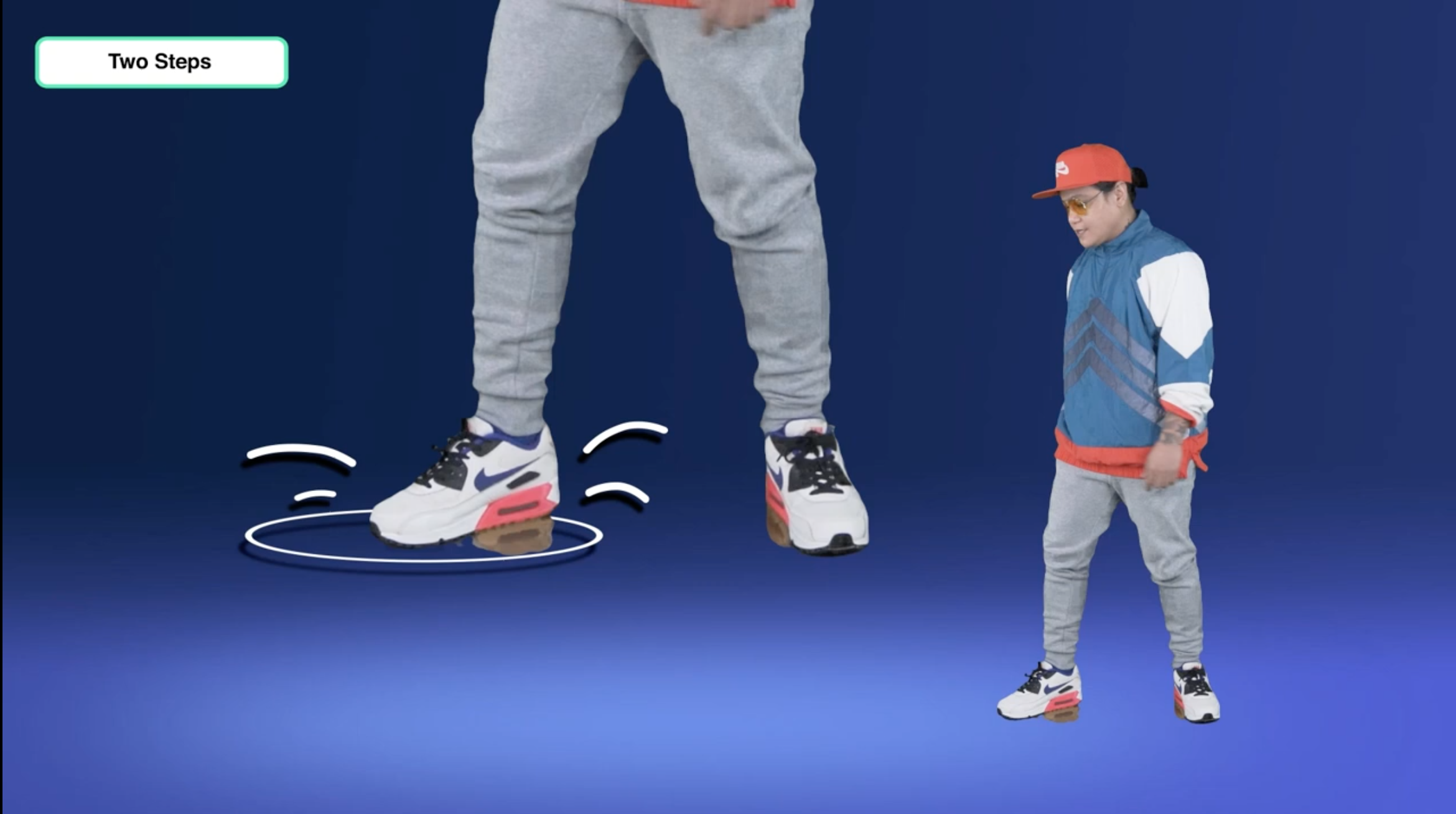
Step your left foot to the side quickly on count “1.”
- 8
Step 8
Bring your right foot to meet your left quickly on count “2.”
- 9
Step 9
Step your left foot to the side slowly across counts “3-4.”
- 10
Step 10
Now start the same pattern on the other side by stepping your right foot to the side quickly on count “1.”
- 11
Step 11
Practice alternating sides for one minute using quick-quick slow-slow and keep counting aloud to stay on beat.
- 12
Step 12
Share a short video or description of your Two Step practice on DIY.org so everyone can see your dancing!
Fun facts
How do you teach a child to learn the Two Step dance?
Start with a short warm-up, then play music with a clear beat. Teach the basic two-step pattern slowly: step to the side with the lead foot, bring the other foot to meet it (count “1-2”), then step side again and close (count “3-4”). Practice at half speed, gradually match the music. Use 30–60 second rounds, encourage upright posture, bend knees slightly for balance, and give positive feedback. Repeat with the opposite lead and add simple turns when comfortable.
What materials do I need to practice the Two Step with my child?
You need a safe, open space with non-slip flooring (clear a living room or use a flat driveway), comfortable flat-soled shoes, and a device to play short songs (phone or speaker). Bring a timer or phone to keep practice rounds brief. Optional items: a chair or wall for balance support, floor tape to mark foot placement, and scarves to make the activity playful. Adult supervision is recommended for safety.
What ages is learning the Two Step suitable for?
This activity suits young children with age-appropriate adjustments. Ages 3–5 can learn a simplified step-step pattern with close supervision and very short sessions (3–5 minutes). Ages 6–9 can work on counting beats, switching leads, and short routines (5–10 minutes). Ages 10+ can refine timing, add turns, or partner steps. Always adapt pace, complexity, and supervision to a child’s coordination and attention span.
What are the benefits of practicing the Two Step with kids?
Learning the Two Step improves balance, coordination, rhythm, and listening skills while reinforcing counting. Short music sessions build stamina and confidence without overtaxing young children. Partner or group practice supports social skills, turn-taking, and following direction. The activity also enhances gross motor development and body awareness. For safety, keep sessions brief, use non-slip surfaces, and provide a nearby chair or adult for extra support if needed.
Watch & Learn
Need help?
What can we use if we don't have comfortable shoes or a music player from the instructions?
If you don't have comfortable shoes, dance barefoot or in non-slip socks on a clean floor, and if you don't have a music player use a phone/tablet, a parent singing, or just clap the beat as directed in the 'Press play and clap or tap to the beat for 8 counts' step.
I'm losing the rhythm on the quick-quick slow-slow steps—how can I fix that?
If you lose the rhythm during the quick-quick slow-slow pattern, slow the song or practice the marching warm-up and 'clap or tap to the beat for 8 counts' step, then count aloud '1-2-3-4' and tap your foot on each count to reestablish timing.
How can I adapt the Two Step activity for different ages?
For younger children simplify by slowing the 'step left... step right' pattern and holding a caregiver's hand during the steps, while older kids can add faster tempo, extra repetitions of the one-minute alternating practice, or more complex arm movements.
What are some ways to extend or personalize the Two Step practice before sharing on DIY.org?
To extend and personalize the activity, add arm movements or a simple turn to the quick-quick slow-slow pattern, try different upbeat songs to change tempo, and record a short decorated-costume video as suggested for your DIY.org post.