Learn the Baseball Step
Practice the baseball step for throwing and fielding by learning correct foot placement, balance, and simple drills to improve accuracy and safe movement.
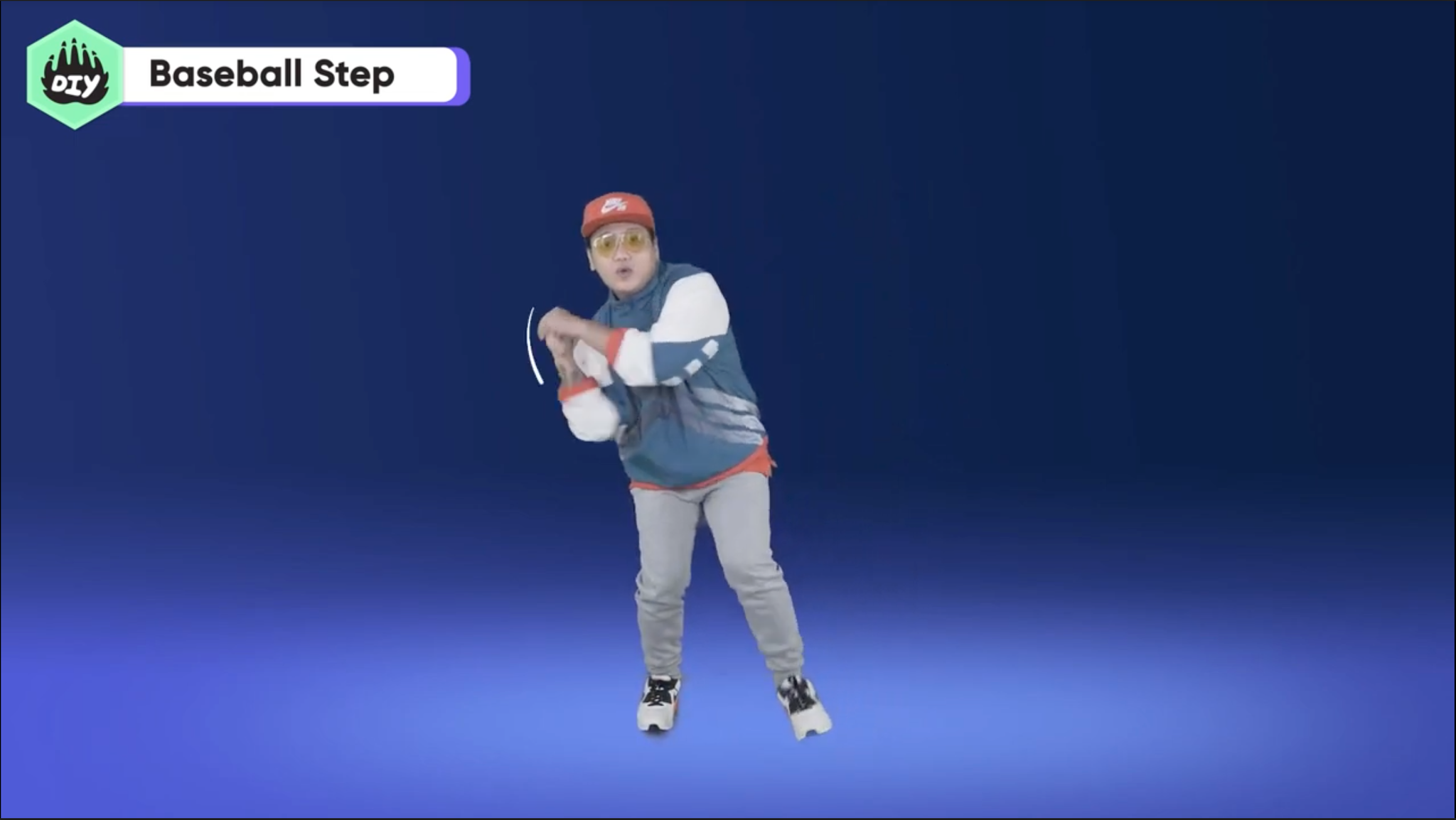
About this activity
Practice the baseball step for throwing and fielding by learning correct foot placement, balance, and simple drills to improve accuracy and safe movement.
What you need
Step by step
- 1
Step 1
Put on your sneakers to protect your feet.
- 2
Step 2
Place two flat markers about 8 feet apart to mark your starting spot and your target.
- 3
Step 3
Stand at the starting marker in a ready athletic stance with knees slightly bent.
- 4
Step 4
Hold the ball in your throwing hand.
- 5
Step 5
Choose your front foot: if you throw right pick your left foot; if you throw left pick your right foot.
- 6
Step 6
Step toward the target with your front foot in one small controlled motion.
- 7
Step 7
Shift your weight forward onto your front foot after the step.
- 8
Step 8
Throw the ball to the target.
- 9
Step 9
Repeat the step-then-throw 10 times to build consistency.
- 10
Step 10
Do small quick side-to-side steps for 20 seconds to improve balance and foot speed.
- 11
Step 11
When a ball rolls to you, step toward it with your glove-side foot.
- 12
Step 12
Put your glove down or cup your hands and scoop the rolling ball into it.
- 13
Step 13
Throw the ball back to your partner or target using the same small front-foot step you practiced.
- 14
Step 14
Share a photo or short note about your baseball step practice on DIY.org.
Fun facts
How do you teach a child the baseball step for throwing and fielding?
Start with a balanced athletic stance: feet shoulder-width, knees slightly bent, weight on balls of the feet. Teach the baseball step: a short step with the glove-side foot toward the target while the throwing-side foot turns and plants, creating hip rotation for the throw. For fielding, step with the glove foot then drop into a low athletic position to scoop the ball. Practice slow step-and-throw drills, shadow movements, and gradually add soft tosses to build timing and confidence.
What materials do I need to practice the baseball step with my child?
You only need a few simple items: a soft baseball or training ball, a glove, a target (cone or bucket), and an open flat space like a yard or field. Optional items: cones or tape to mark foot placement, lightweight training bat for batting context, and a partner or parent to toss. Comfortable athletic shoes and water are helpful. No specialized equipment is required for basic step-and-throw and fielding drills.
What ages is learning the baseball step suitable for?
The baseball step can be introduced as early as 4–5 years old with very simple, fun drills focusing on stepping and balance. Ages 6–10 benefit most from basic mechanics and repetition to build coordination. Tweens and teens (11–16) can refine timing, foot placement, and power. Always adapt explanations and drill complexity to the child’s attention span and physical development, and supervise younger children closely for safety and proper form.
What are the benefits and safety tips for practicing the baseball step?
Benefits include improved balance, throwing accuracy, footwork, and overall fielding speed. It teaches body awareness and reduces awkward throws by promoting proper hip rotation. Safety tips: warm up with dynamic stretches, use age-appropriate soft balls, avoid repetitive high-velocity throwing for young arms, ensure proper footwear, and allow rest between sessions. Supervise drills, correct unsafe mechanics early, and stop if the child reports pain in the shoulder or elbow.
Watch & Learn
Need help?
What can I use instead of flat markers if I don't have them?
Use rolled-up socks, small cones, a pair of shoes, or tape on the ground placed about 8 feet apart to mark your starting spot and your target as the instructions say.
If I keep losing my balance when I step, what should I try?
Make the front-foot movement smaller and more controlled, keep knees slightly bent, concentrate on shifting your weight forward after the step, and practice the 20-second side-to-side foot-speed drill to improve balance.
How can I adapt the drill for younger or older kids?
For younger kids move the markers closer (about 3–5 feet), use a softer ball and reduce to 5 step-then-throw repetitions, while older kids can increase the 8-foot distance, add a moving target, or do more than 10 reps for extra challenge.
How can we make the Baseball Step drill more challenging or personal?
Add a visible target to aim for, time how long it takes to complete 10 accurate step-then-throw repetitions, include the glove-side scoop of rolling balls from the instructions, and share your favorite photo or short note on DIY.org to track progress.