Invent a prehistoric creature
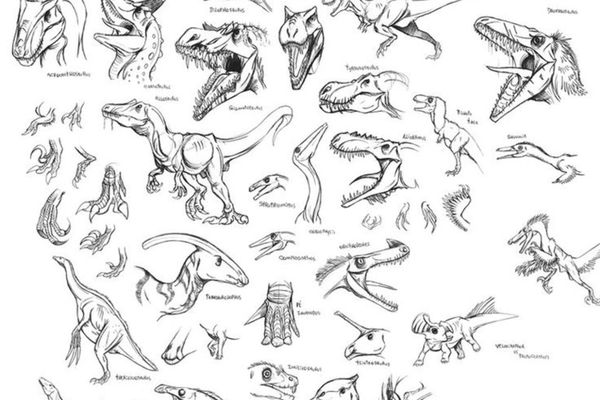
Design and build a model of an invented prehistoric creature using clay, paper, or recycled materials. Describe its features, habitat, and diet.


Step-by-step guide to invent a prehistoric creature
Saber-Toothed Tiger vs Mammoth - Who Ruled the Prehistoric Landscapes?
Step 1
Clear a workspace and gather all the materials you need.
Step 2
Give your prehistoric creature a fun name.
Step 3
Decide where your creature lives by choosing a habitat like swamp desert forest or ocean.
Step 4
Decide what your creature eats by choosing a diet such as plants small animals or fish.
Step 5
Draw a simple sketch of your creature on paper showing its body shape head limbs and special features.
Step 6
Choose whether you will make the model from clay or from recycled materials and collect the main pieces for the body.
Step 7
Build the main body shape of your creature using clay or by gluing cardboard pieces together.
Step 8
Add limbs wings tail horns or other features to your creature so it can move or defend itself.
Step 9
Add texture details like scales feathers fur or bumpy skin using tools or small recycled bits.
Step 10
Color or decorate your creature using markers crayons or embellishments to make it look prehistoric.
Step 11
Make a small habitat base from recycled materials to show where your creature lives.
Step 12
Write three short sentences describing your creature’s main features habitat and diet on a piece of paper.
Step 13
Share your finished creation on DIY.org
Help!?
What can I use instead of clay or cardboard if I can't find them?
If modeling clay isn't available for the 'Build the main body' step, substitute air-dry clay, play-dough, or crumpled aluminum foil wrapped in tape, and use egg cartons, milk cartons, or plastic bottles instead of cardboard when making the recycled-material body or habitat base.
My creature's limbs or glued cardboard pieces keep falling off—what should I try?
If glued cardboard pieces or small limbs fall off during the 'Build the main body' or 'Add limbs' steps, reinforce joints by inserting toothpicks as anchors, use stronger adhesives like hot glue (with adult help) or extra PVA glue, and let glued parts dry flat under a heavy book before decorating.
How can I adapt this activity for different ages?
For younger kids, simplify by pre-cutting cardboard pieces, using play-dough for the 'Build the main body' step, and swapping fine texture work for stickers while an adult writes the three-sentence description, whereas older children can build wire armatures, use finer tools to add scales or feathers, and write and post their own habitat and diet sentences on DIY.org.
How can we extend or personalize the prehistoric creature project?
To enhance the project, add movable limbs with brads or pipe cleaners, create a detailed diorama habitat base from recycled materials, add LED 'bioluminescent' spots when coloring, write a short origin story in addition to the three descriptive sentences, and photograph the finished scene to share on DIY.org.
Watch videos on how to invent a prehistoric creature
🔥 The Epic Battle Between Mammoth and Saber-Toothed Tiger | A Prehistoric Ice Age Legend ❄️🦣
4 Videos
🔥 The Epic Battle Between Mammoth and Saber-Toothed Tiger | A Prehistoric Ice Age Legend ❄️🦣
Ice Age Giants: How did Mammoths and Saber Tooth Cats become extinct? | Full Documentary
Epic Woolly Mammoth vs Saber Tooth Tiger | Prehistoric viral Short
9 Million Years Ago: How the First Humans Faced the Saber-Toothed Tiger | Primal Survival
Facts about paleontology for kids
🦕 Dinosaurs first appeared around 230 million years ago during the Triassic period.
🦴 Fossils form mostly when hard parts like bones or shells are buried quickly — soft tissues rarely survive.
🌋 A giant asteroid impact about 66 million years ago helped trigger the mass extinction that ended non-avian dinosaurs.
🌿 Some plant-eating giants like Argentinosaurus may have reached over 30 meters long and weighed tens of tons.
🐦 Modern birds are living dinosaurs — they evolved from small, feathered theropod ancestors.
How do I help my child design and build an invented prehistoric creature model?
What materials do we need to invent and build a prehistoric creature model?
What ages is this invented prehistoric creature activity suitable for?
What are the benefits, safety tips, or variations for the prehistoric creature project?
