Identify medicinal plants
Explore a garden or park with an adult to observe and identify common medicinal plants using a field guide, recording features and traditional uses safely.


Step-by-step guide to identify medicinal plants in a garden or park
7 Medicinal Plants for Kids Natural Remedies for Childhood Diseases
Step 1
Gather your materials from the list and put them where you can reach them easily.
Step 2
Put on your gloves before touching any plants.
Step 3
Walk to the garden or park with your adult.
Step 4
Walk slowly and look for plants that you want to study.
Step 5
Stop at a plant and ask your adult to check that it is safe to study.
Step 6
Use your field guide to find the picture that matches the plant and write the plant name or page number in your notebook.
Step 7
Write one traditional use of the plant from the field guide in your notebook.
Step 8
Use your magnifying glass to look closely at the plant.
Step 9
Write the plant’s leaf shape in your notebook.
Step 10
Write the plant’s flower color in your notebook.
Step 11
Write where the plant was growing (for example sunny shady near water) in your notebook.
Step 12
If your adult says it is safe, gently smell the plant to notice its scent.
Step 13
If your adult agrees, put a small fallen leaf into your zip-top bag.
Step 14
Write the plant name and page number next to your sample entry in your notebook.
Step 15
Share your finished plant notes and sample on DIY.org.
Help!?
I don't have a printed field guide or a magnifying glass—what can I use instead?
If you can't find a field guide or magnifying glass, use a plant ID app or online image search to match pictures for the 'plant name/page number' step and use your smartphone camera's zoom to examine and note leaf shape and flower color in your notebook.
What if my adult isn't sure the plant is safe or won't let us smell or take a sample?
If your adult won't agree to the safety, smell, or sample steps, take photos and only record the plant name/page number, traditional use, leaf shape, flower color, and growing location in your notebook and skip placing a leaf in the zip-top bag.
How can I change this activity for younger kids or older kids?
For ages 3–6, pick one plant and have an adult describe leaf shape and color while the child draws it in the notebook, and for ages 10+, have the child record GPS or map location, research chemical compounds behind the traditional use, and upload detailed notes to DIY.org.
How can we make this project more interesting or keep it long-term?
Extend the activity by gently pressing leaves from the zip-top bag into a homemade herbarium labeled with the field guide page number and traditional use, photographing each plant for your DIY.org post, and adding one short research note about the plant's traditional medicinal study to your notebook.
Watch videos on how to identify medicinal plants in a garden or park
MEDICINAL PLANTS AND THEIR USES | MEDICINAL PLANTS NAME FOR KIDS MEDICINAL PLANTS AND THEIR BENEFITS
4 Videos
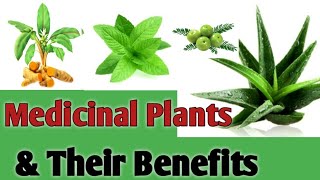
MEDICINAL PLANTS AND THEIR USES | MEDICINAL PLANTS NAME FOR KIDS MEDICINAL PLANTS AND THEIR BENEFITS
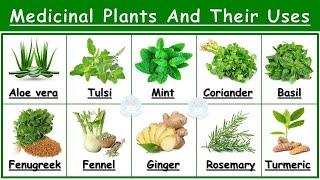
Medicinal Plants And Their Uses | 25 Ayurvedic Plants Names | Medicinal Herbs | औषधीय पौधे | Plants
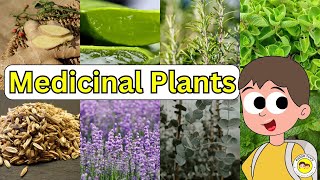
Nature's Secret Helpers: Amazing Medicinal Plants for Kids! #kiddotvvv #kids #learning
100 Medicinal Plants Names And Their Uses | Blissed Zone
Facts about medicinal plants and plant identification
🌿 Many everyday plants—like mint, chamomile, and aloe vera—have been used as medicine for thousands of years.
🩺 The World Health Organization reports that around 80% of people in some regions rely on traditional or plant-based medicines.
🔬 Willow bark contains salicylic acid and inspired the creation of aspirin—an example of a plant leading to a modern drug.
💀 Some well-known medicinal plants (foxglove, belladonna) are toxic if handled or eaten incorrectly—always explore with an adult.
📚 Field guides help you identify plants by leaf shape, flowers, smell, and habitat, making plant-spotting safer and more fun.
How do I explore and identify medicinal plants with my child?
What materials do I need to identify medicinal plants with children?
What ages is this activity suitable for?
What safety precautions should we follow when identifying medicinal plants?
