How to draw an eye - a free eye drawing guide
Draw a realistic human eye step by step using pencil, eraser, and blending to practice proportions, highlights, and shading. Practice observing reference and improving detail.


Drawing Apps
Photos of realistic human eye drawings
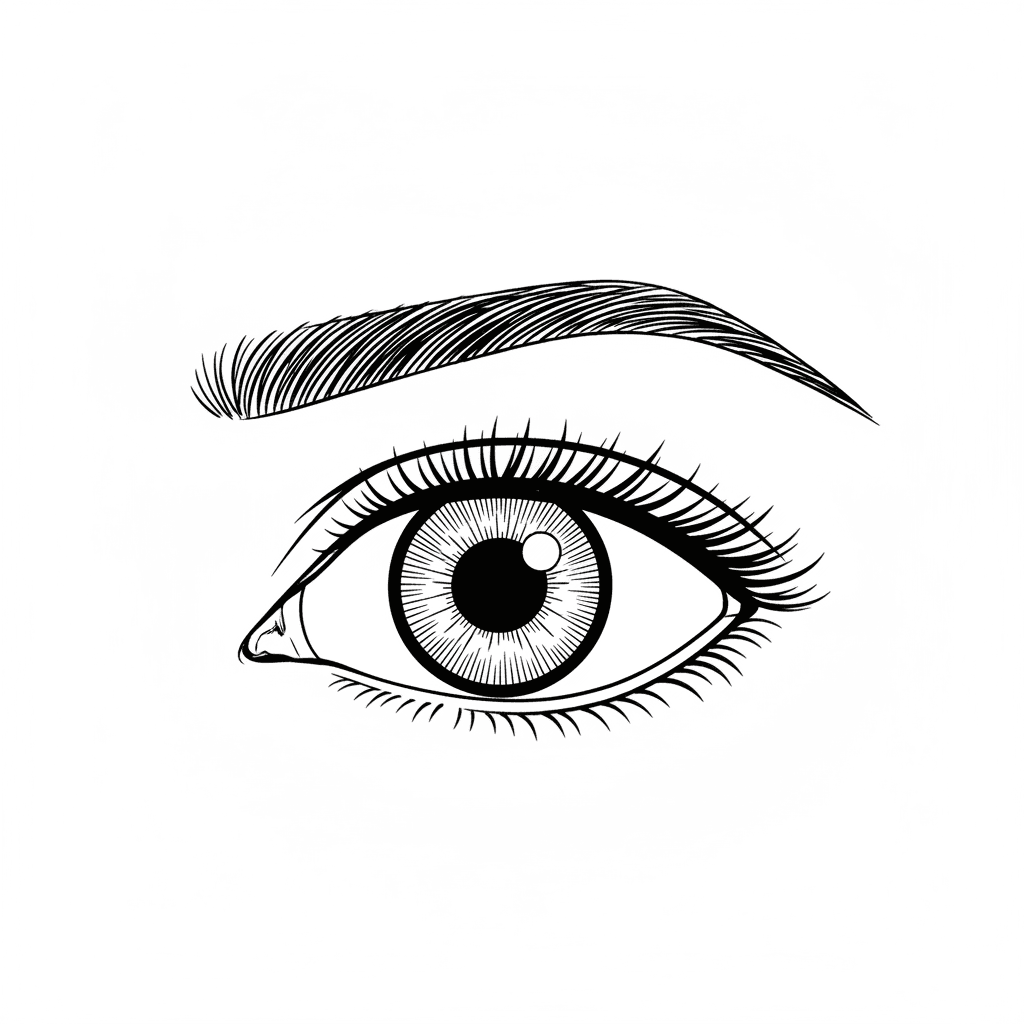
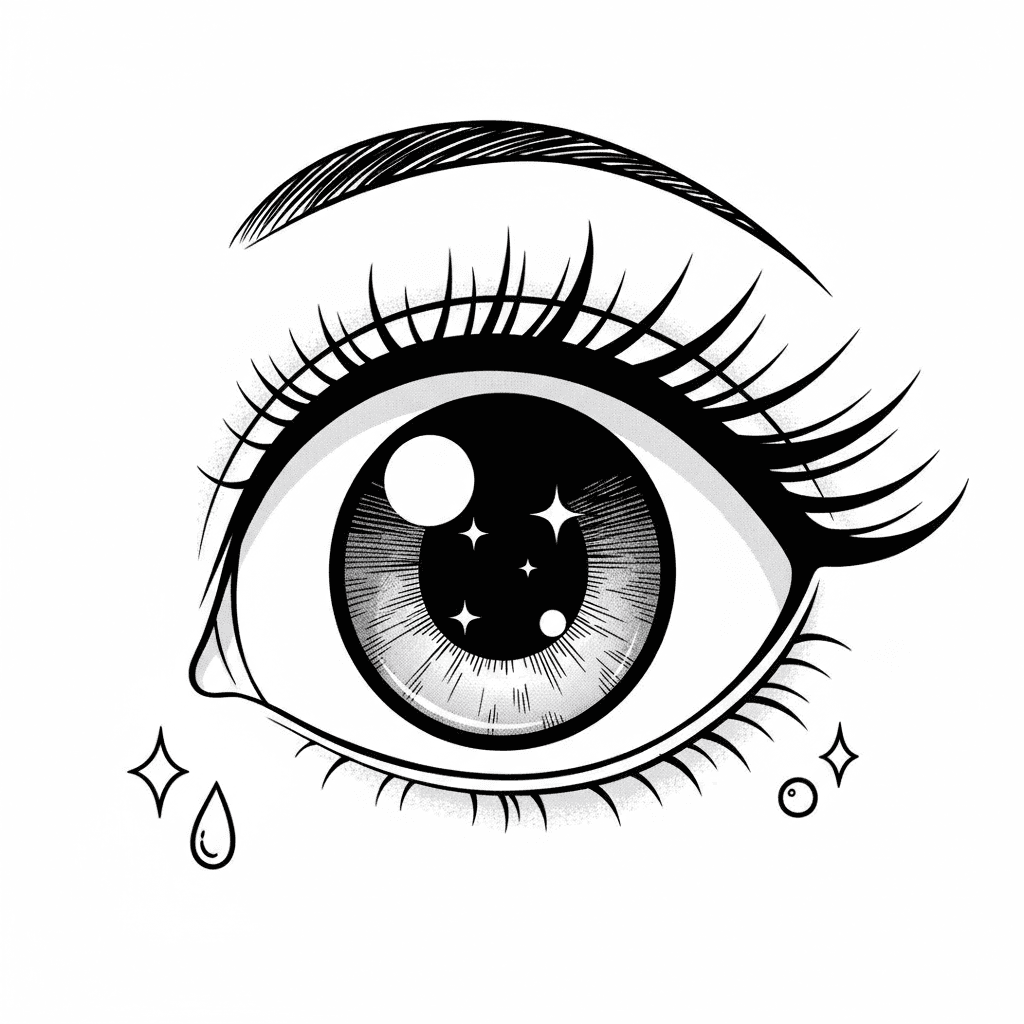
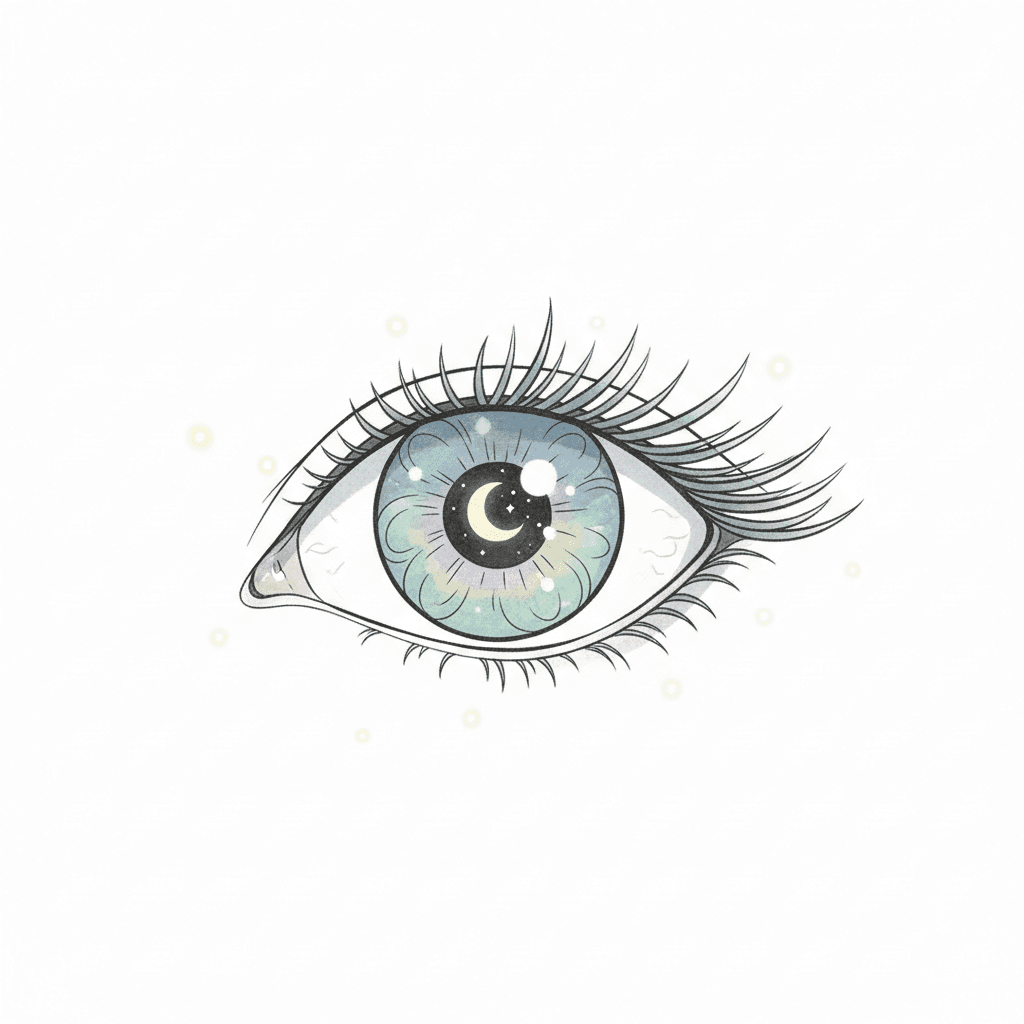
Step-by-step guide to draw a realistic human eye
HOW TO DRAW AN EYE FOR BEGINNERS [*EASY TUTORIAL*]
Step 1
Place your paper and your reference photo or mirror on a flat surface and sit comfortably.
Step 2
Lightly draw a horizontal guideline across the paper where you want the middle of the eye to sit.
Step 3
Lightly sketch a circle centered on the guideline to show the size and position of the iris.
Step 4
Lightly draw an almond-shaped outline around the iris to create the outer shape of the eye.
Step 5
Draw a smaller circle in the center of the iris to mark the pupil.
Step 6
Decide where the bright highlight will be and leave that small area untouched on the paper.
Step 7
Sketch the inner tear duct at the corner of the eye following your reference.
Step 8
Draw a soft crease above the eye to show the eyelid fold.
Step 9
Shade the pupil very dark with your pencil using smooth, even strokes.
Step 10
Add radial lines and tones in the iris, making the outer rim darker and varying pressure for texture.
Step 11
Shade the white of the eye slightly and blend gently with your blending stump or tissue to show roundness.
Step 12
Draw eyelashes with quick curved strokes coming out from the eyelid, changing direction and length naturally.
Step 13
Use your eraser to lift tiny highlights and increase contrast where the light hits the eye.
Step 14
Share your finished drawing on DIY.org
Help!?
What can we use if we don't have a blending stump, special pencils, or a mirror/reference photo?
If you don't have a blending stump or tissue, gently blend the shaded white of the eye with a cotton swab or clean fingertip, and if you lack softer pencils use an HB or 2B and build darkness for the pupil with several light layers, while a phone photo or printed image works instead of a mirror for your reference.
My iris looks flat and my highlights disappeared — what should I try differently?
Add radial lines and varied pressure to the iris and darken the outer rim as instructed, then use your eraser to lift tiny highlights and preserve the bright spot you left untouched so the eye reads round and reflective.
How can I change the activity for different age groups?
For younger children have them trace the horizontal guideline and circle for the iris and color in the pupil, for elementary kids focus on drawing the almond-shaped outline and practicing lashes with quick curved strokes, and for older kids add detailed radial tones in the iris and use varied pencil grades and the eraser to increase contrast.
How can we make the drawing more interesting or personal after finishing the basic eye?
Personalize the eye by choosing a colored reference and layering colored pencils over the shaded iris, experiment with different eyelid creases and tear duct shapes to change expression, and emphasize reflections by carefully lifting highlights with your eraser before sharing on DIY.org.
Watch videos on how to draw a realistic human eye
How to Draw a Simple Eye | Easy Art Tutorial
4 Videos
How to Draw a Simple Eye | Easy Art Tutorial
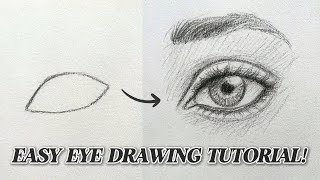
How to draw an eye for beginners | Easy eye drawing step by step | Easy Eye Drawing Tutorial
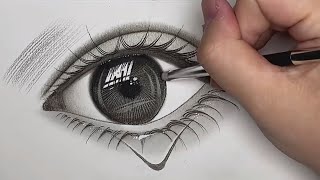
How to draw an eye with teardrop for Beginners - Easy Way To Draw A Realistic Eye
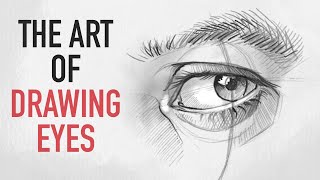
How To Draw Eyes ( Beginner Tutorial)
Facts about pencil drawing and shading
👁️ Every person's iris pattern is unique — scientists can use irises like fingerprints for identification.
✏️ When drawing faces, artists often use the trick that eyes are about one eye-width apart to get proportions right.
🎨 A tiny white highlight (catchlight) in the pupil makes a drawn eye look wet and alive — it's often the most important detail!
🖌️ Blending pencil strokes with a tortillon, tissue, or finger smooths values and helps create realistic skin and shadows.
🤱 Many babies are born with blue or gray eyes that can change color as melanin develops during their first year.
How do I draw a realistic human eye step by step?
What materials do I need to draw a realistic eye?
What ages is drawing a realistic eye suitable for?
What are the benefits and safe variations for practicing realistic eye drawing?
