How to draw a smile - a free smile drawing guide
Draw a smiling face step-by-step using basic shapes, expressions, and simple shading. Practice proportions, spacing, and making a natural smile.


Drawing Apps
Get inspired with these




Instructions
How to Draw a Smile | Easy Step by Step Tutorial
Step 1
Lightly draw a circle in the middle of the paper to mark the head.
Step 2
Draw a light vertical line down the center of the circle to divide the face into left and right.
Step 3
Draw a horizontal guideline across the middle third of the circle for the eye level.
Step 4
Mark two small points on the horizontal line about one eye-width away from the center line to set the eye spacing.
Step 5
Draw two simple almond-shaped eyes around the marks you made.
Step 6
Add pupils inside each eye and leave a tiny white spot in each pupil to show a sparkle.
Step 7
Make a small mark halfway between the eye line and the bottom of the circle to place the nose.
Step 8
Draw a gentle curved guideline halfway between the nose mark and the chin to show where the mouth will sit.
Step 9
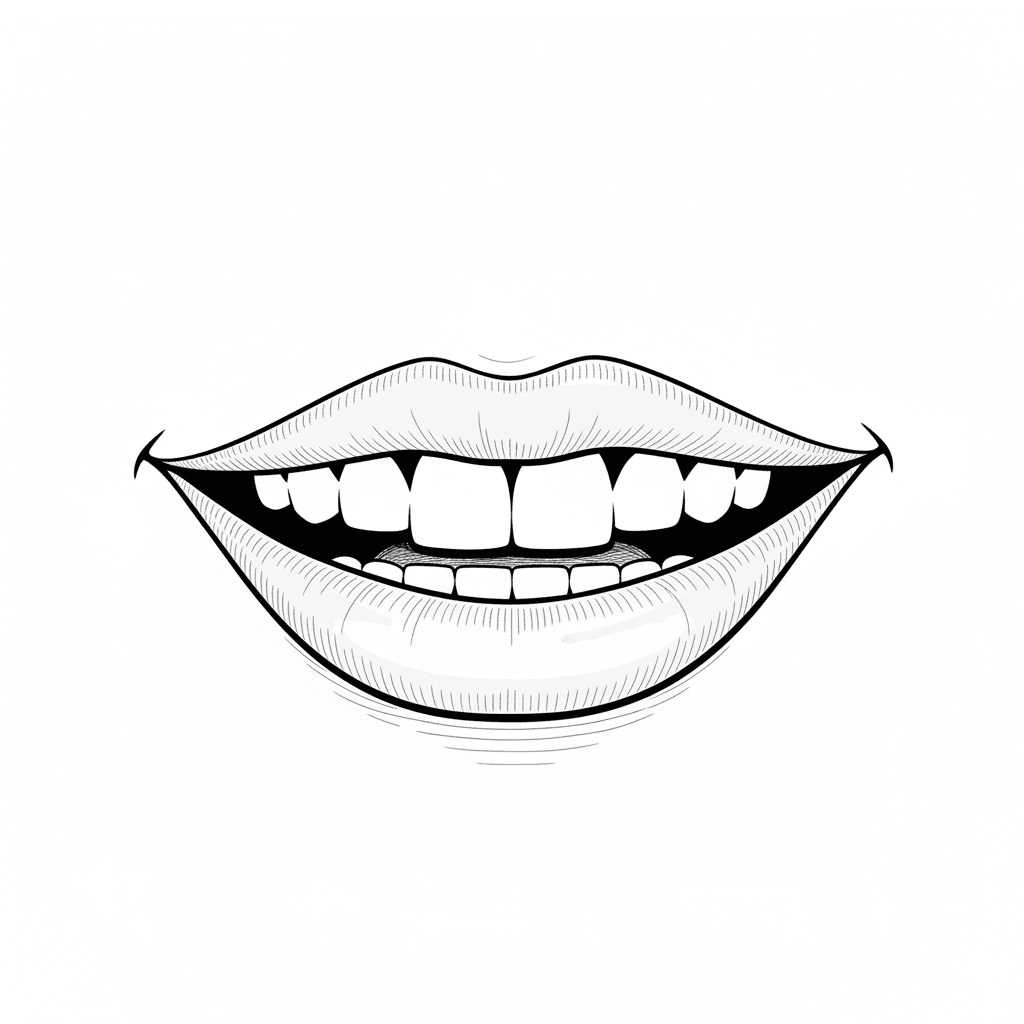
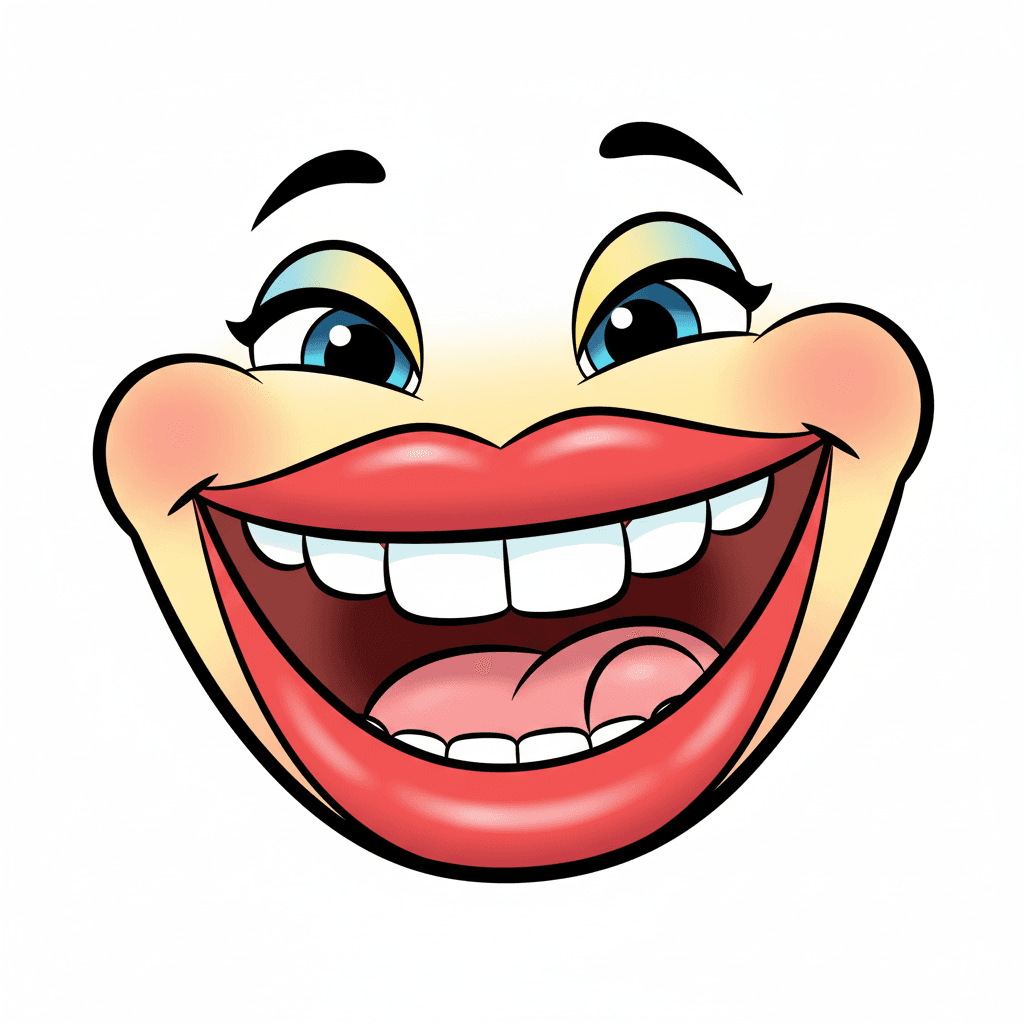
Draw the mouth shape along that guideline with an upper curved line that lifts at the corners and a matching lower curve to form the smile.
Step 10
Add short crease lines at the corners of the mouth to show cheek folds when smiling.
Step 11
Draw soft curved eyebrows above the eyes to match the happy expression.
Step 12
Add simple shading with light pencil strokes under the lower lip and under the chin and gently blend the shading with your tissue or cotton bud.
Step 13
Erase the construction guidelines and clean up any extra pencil marks to make the face look neat.
Step 14
Add color to the cheeks lips and hair if you like to finish your smiling face.
Step 15
Take a photo of your finished smiling face and share it on DIY.org
Help!?
What can I use instead of a tissue or cotton bud for blending the shading under the lower lip and chin?
Use a clean fingertip or a small piece of folded scrap paper to gently blend the light pencil strokes under the lower lip and under the chin as directed in the shading step.
My construction lines are too dark and won't fully erase—how can I fix that so the face looks neat?
Draw the circle and vertical/horizontal guidelines very lightly, then use a soft kneaded eraser or a clean regular eraser to lift marks before darkening the final eyes, mouth, and hair lines.
How can I adapt this smiling face activity for younger children or for older kids?
For younger children simplify to one big circle with sticker eyes and a single curved smile following the mouth guideline, while older kids can refine almond-shaped eyes, add the pupil sparkles, and practice the subtle shading under the lower lip and chin.
What are some ways to extend or personalize the finished smiling face beyond the basic instructions?
Add different hairstyles, freckles or accessories and use colored pencils when you 'add color to the cheeks lips and hair', create a background scene, then take a photo of your finished smiling face to share on DIY.org.
Related videos
how to easy draw a smile kid step by step! #easydraw #doodleart #drawingtutorials #drawing
4 Videos
how to easy draw a smile kid step by step! #easydraw #doodleart #drawingtutorials #drawing
Draw a simple sketch of a smile, learn to draw at no foundation, draw, simple sketch tutorial, c
How to Draw Smiling Face for Beginners Step by Step | Smiley Face Pencil Drawing Easy
How to draw smile 😋 | kids colouring drawing | Easy drawing for kids | drawing book
Fun Facts
😊 Eyes sit about halfway down the head — a super-helpful landmark for drawing face proportions.
😄 A genuine (Duchenne) smile uses both mouth and eye muscles, which makes the cheeks lift and the eyes crinkle.
🧭 The corners of the mouth often line up roughly with the centers of the eyes — great for placing a natural smile.
✏️ Blocking in the head with simple shapes (oval for the skull, curved lines for the smile) makes it easy to draw consistent faces.
🎨 Adding a tiny shadow under the lower lip and a soft highlight on the upper lip helps a smile look 3D and lively.
How do I teach my child to draw a natural smiling face step-by-step?
What materials do we need to draw a smiling face with basic shapes and simple shading?
What ages is drawing a smiling face suitable for?
What are the benefits, safety tips, and fun variations for drawing smiles?
