How to draw a rubber duck - a free rubber duck drawing guide
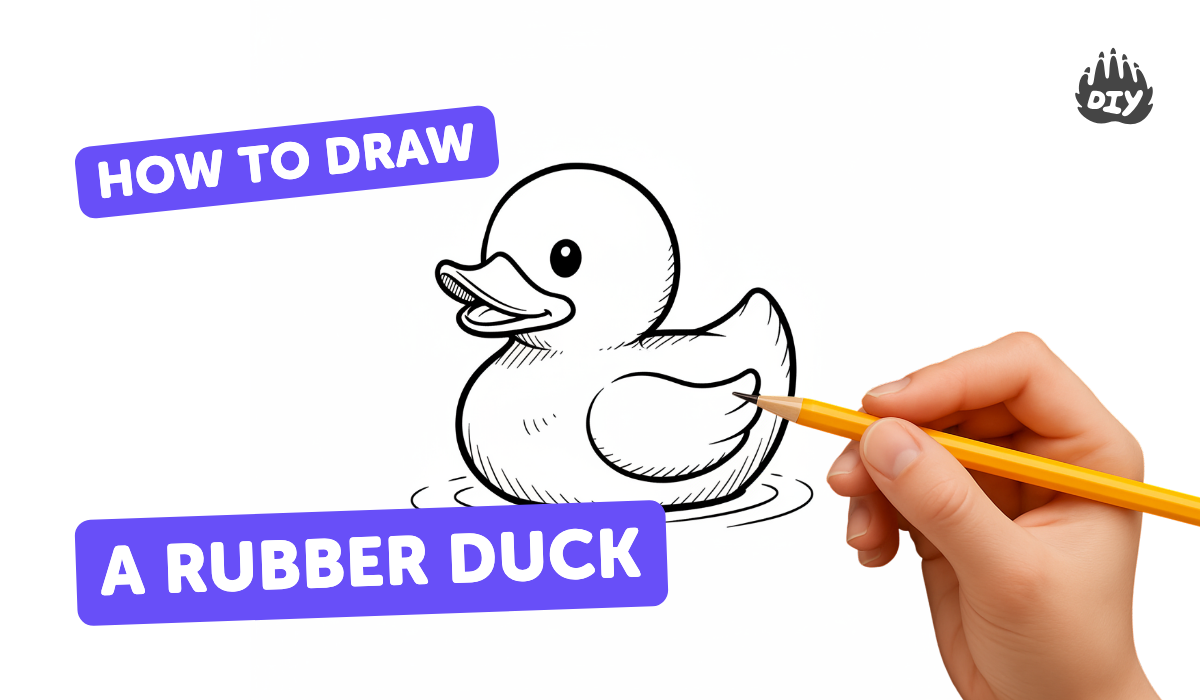
Draw and color a friendly rubber duck using step by step shapes, outlines, simple shading, and bright colors to create a cheerful duck illustration.


Drawing Apps
Photos of rubber duck drawings
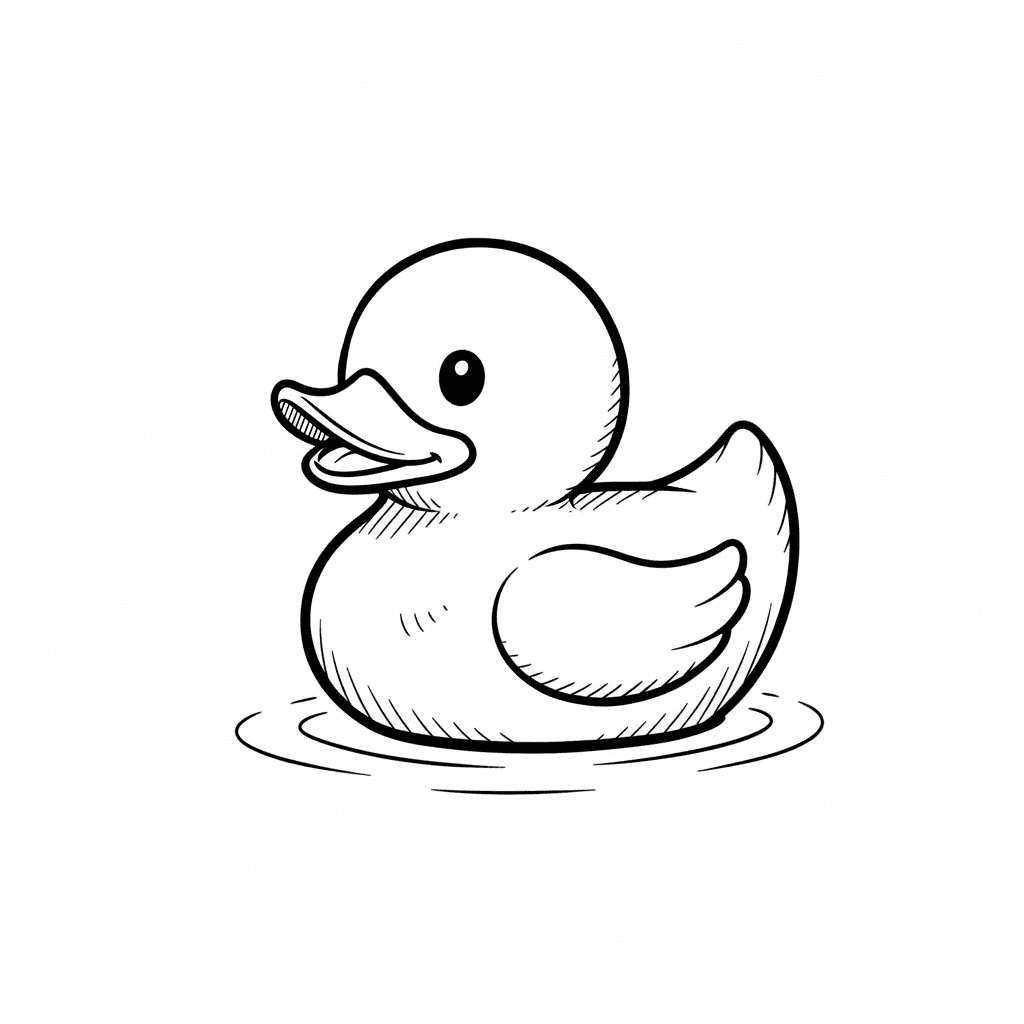
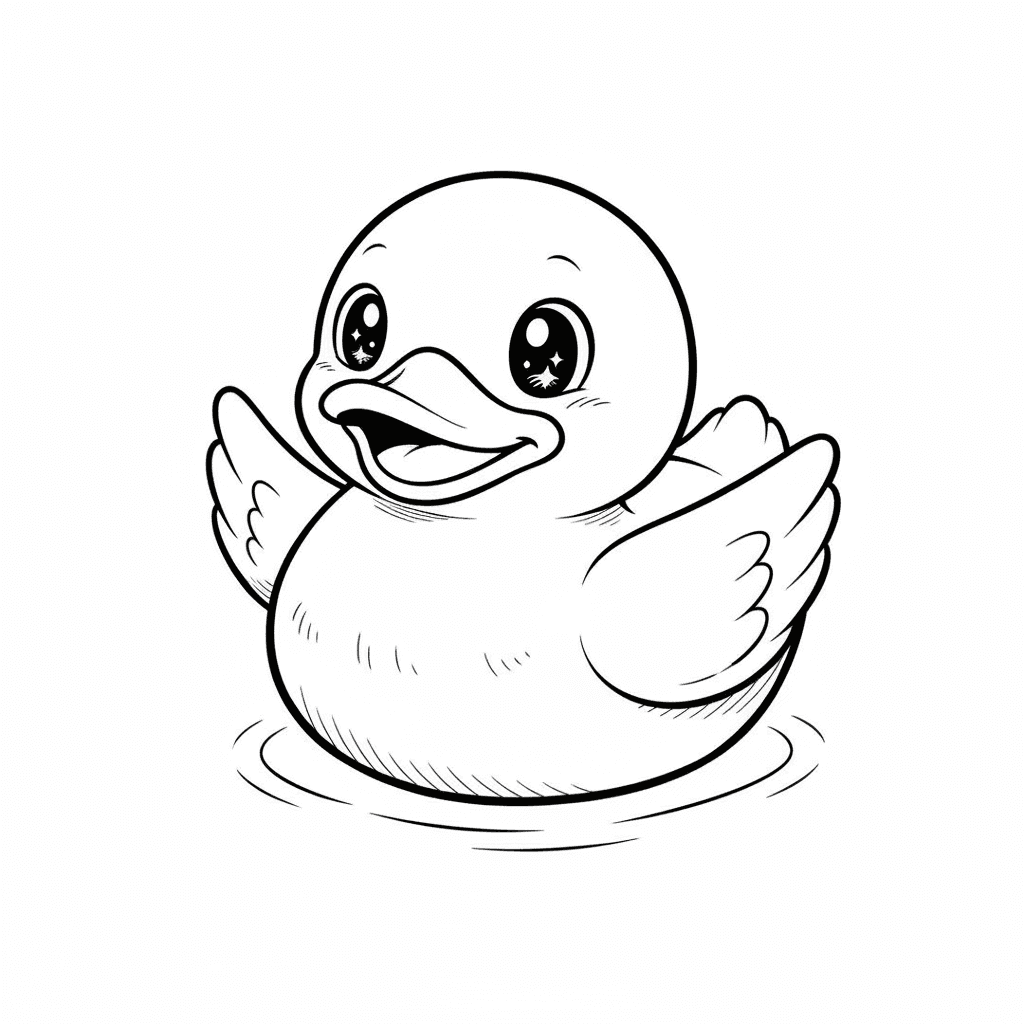
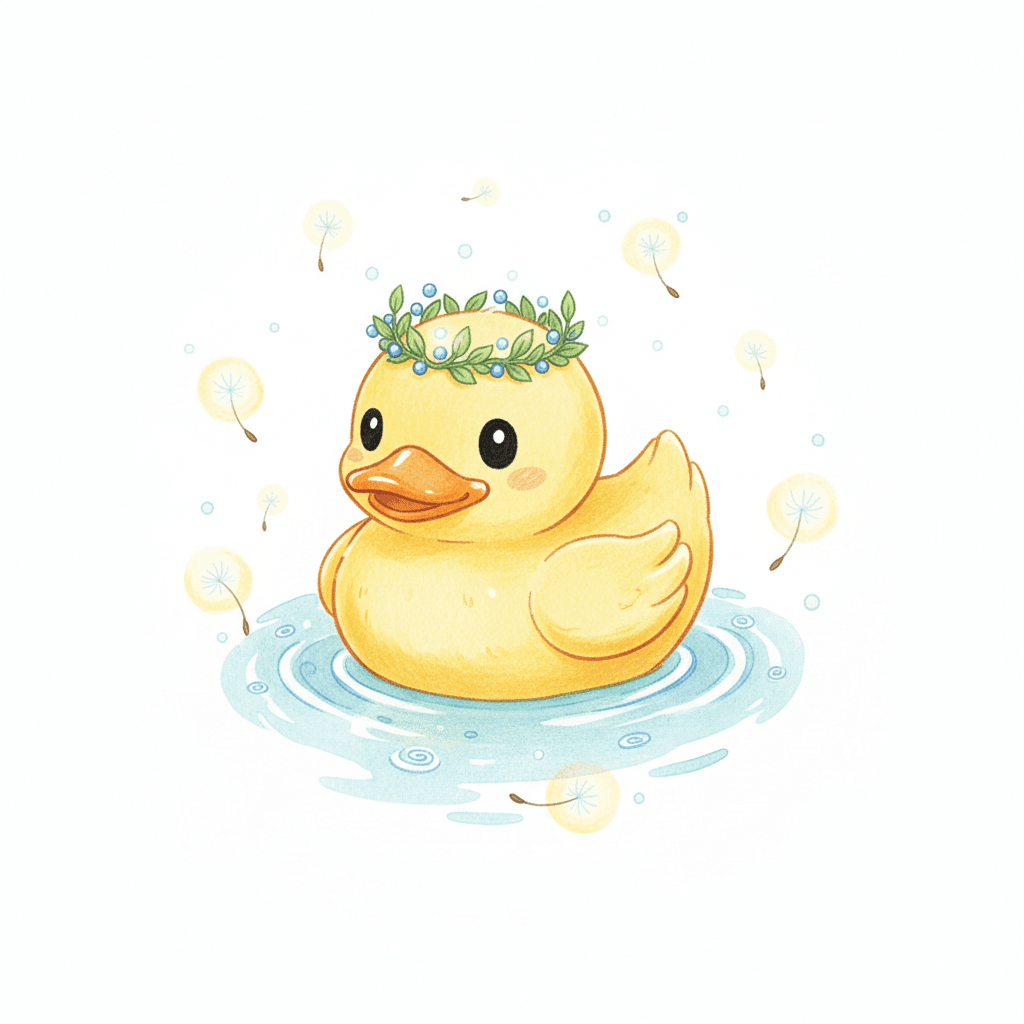
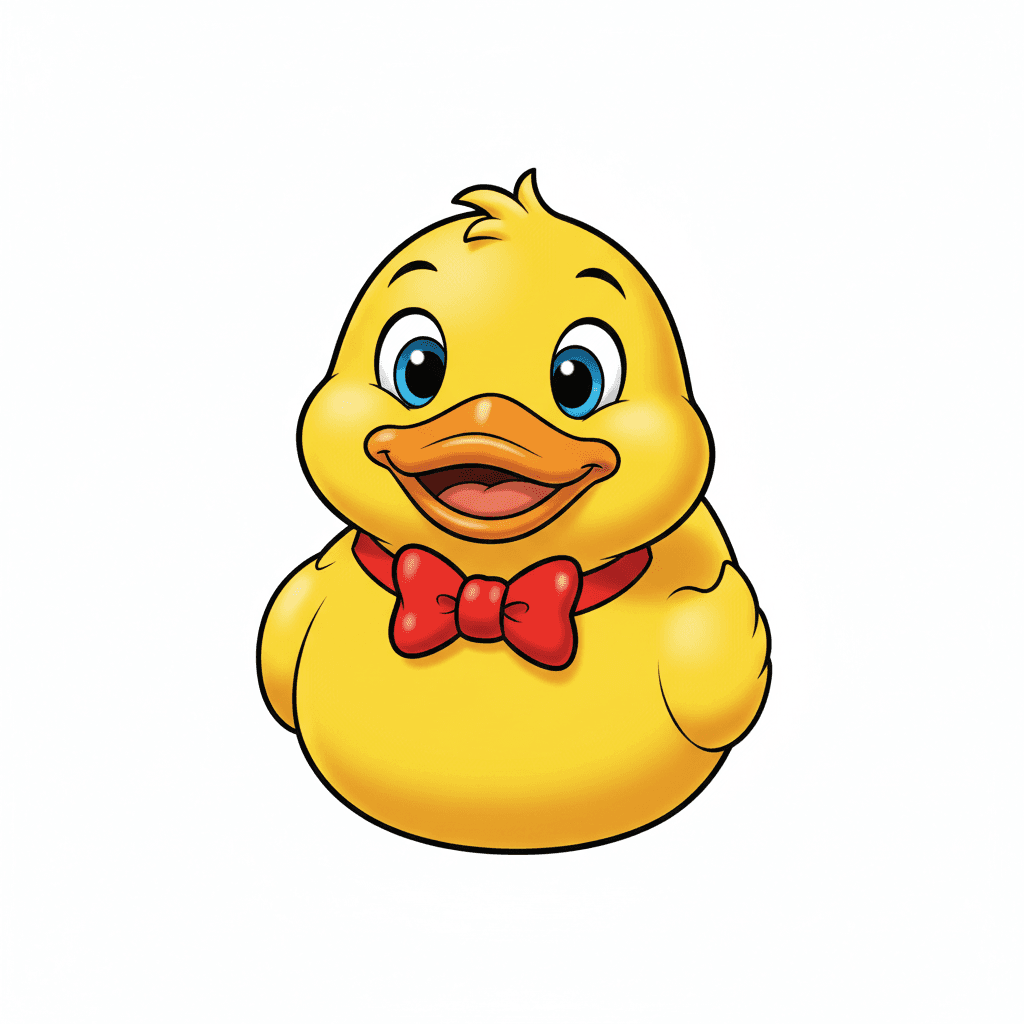

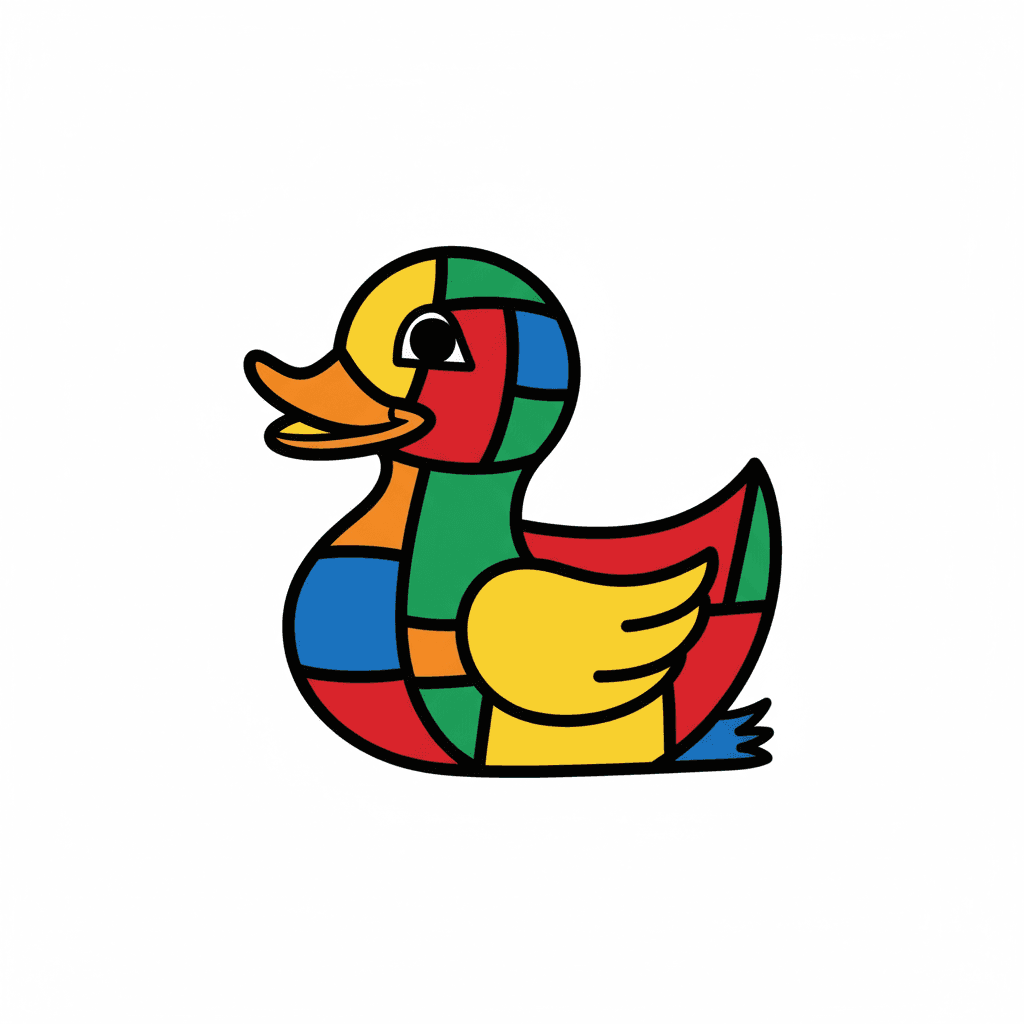
Step-by-step guide to draw a rubber duck
How to Draw a Rubber Duck: Easy Step by Step Drawing Tutorial for Beginners
Step 1
Place your paper on a flat surface and grab your pencil and eraser so you are ready to draw.
Step 2
Draw a large slightly tilted oval in the center of the paper to make the duck's body.
Step 3
Draw a smaller circle that touches the front top of the oval to make the duck's head.
Step 4
Sketch a rounded beak at the front of the head using two curved lines that meet to form a soft triangle shape.
Step 5
Draw a teardrop shaped wing on the side of the body and add three small scalloped lines along the edge for feathers.
Step 6
Add a small rounded triangle at the back top of the body to make the tail feathers.
Step 7
Draw a small circle on the head for the eye and fill in a tiny dark pupil leaving a little white spot for sparkle.
Step 8
Carefully trace over your pencil lines with the black marker or pen to make bold outlines and wait for the ink to dry.
Step 9
Erase the pencil lines gently so only the clean marker outlines remain.
Step 10
Use a slightly darker yellow or light brown to add gentle shading under the wing along the belly and at the base of the beak.
Step 11
Color the duck bright yellow and color the beak orange using smooth even strokes.
Step 12
Add little white highlights on the eye and a small white streak on the beak with your white gel pen or white crayon to make it shine.
Step 13
Share your finished friendly rubber duck drawing on DIY.org
Help!?
What can I use if I don't have a black marker or white gel pen?
If you don't have a black marker for the step 'Carefully trace over your pencil lines' use a dark pencil, fine-tip ballpoint pen, or dark crayon, and if you don't have a white gel pen for the eye and beak highlights use a white crayon, correction fluid, or a tiny dab of white paint.
My outlines smudged or erased when I tried to erase the pencil lines—how do I fix that?
To prevent smudging after you 'trace over your pencil lines with the black marker', let the ink dry completely, test the marker on scrap paper, and then gently erase with a soft eraser so only the clean marker outlines remain as instructed.
How can I change the activity for different ages?
For toddlers, simplify by pre-drawing the large tilted oval and head and letting them color the bright yellow body and orange beak while skipping shading, for school-age kids follow all steps including the slightly darker yellow or light brown shading under the wing, and for older kids add detailed scalloped feather lines, texture, or watercolor washes.
What's a fun way to personalize or extend the rubber duck drawing?
Extend and personalize by drawing a bathtub background with bubbles, adding patterns like polka dots or a tiny hat on the duck, practicing the three scalloped feather lines for variation, and boosting depth with the instructed shading under the wing plus white highlights on the eye and beak.
Watch videos on how to draw a rubber duck
How to Draw a Rubber Duck Step by Step
4 Videos
How to Draw a Rubber Duck Step by Step
How to draw a Rubber Duck in 4 minutes - Easy Drawing
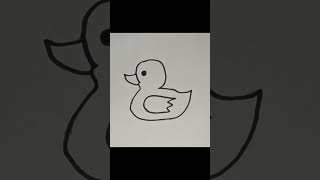
Easy How To Draw A Rubber Duck drawing Tutorial and colour.#artsycolours #drawing4kids #drawingmeme.
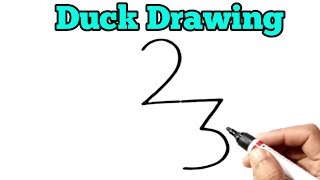
Duck Drawing Simple And Easy | Duck Drawing With 23 For Beginners
Facts about drawing and coloring for kids
🦆 Rubber ducks were first made as toys in the late 1800s and became a beloved bath-time icon in the 1900s.
🛁 Rubber ducks float because they’re hollow — the trapped air makes them less dense than water.
🎨 Bright yellow is the most common color for rubber ducks because it's cheerful and easy for kids to spot.
✏️ Most friendly duck drawings start with simple shapes like circles and ovals for the head and body.
🧼 Water can get trapped inside some rubber ducks and cause mold, so squeeze them dry and let them air out.
How do I draw a friendly rubber duck step by step?
What materials do I need to draw and color a rubber duck?
What ages is this rubber duck drawing suitable for?
What are the benefits of drawing and coloring a rubber duck?
