How to draw a pug - a free pug drawing guide
Draw a pug using simple shapes, step by step shading, and color. Improve observation, proportion, perspective, and basic drawing skills with pencil and colored pencils.


Drawing Apps
Get inspired with these
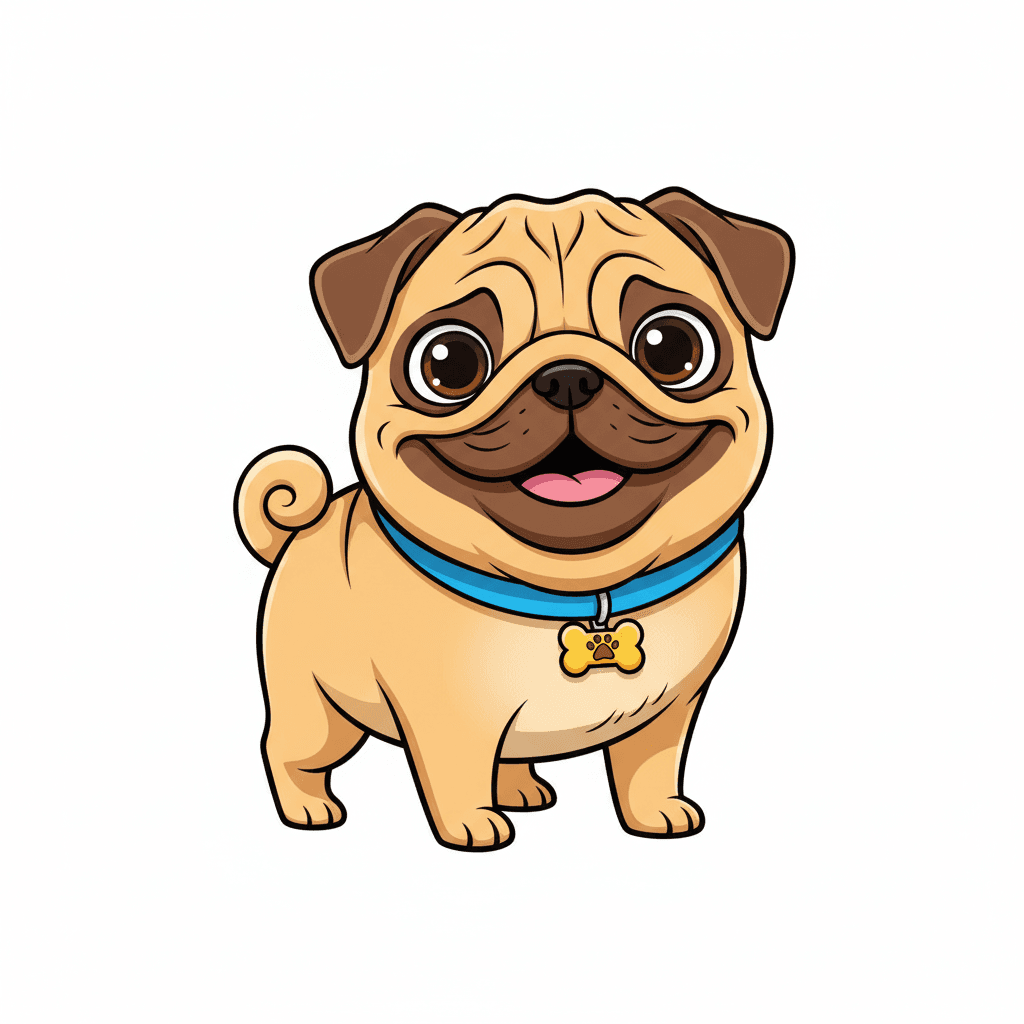
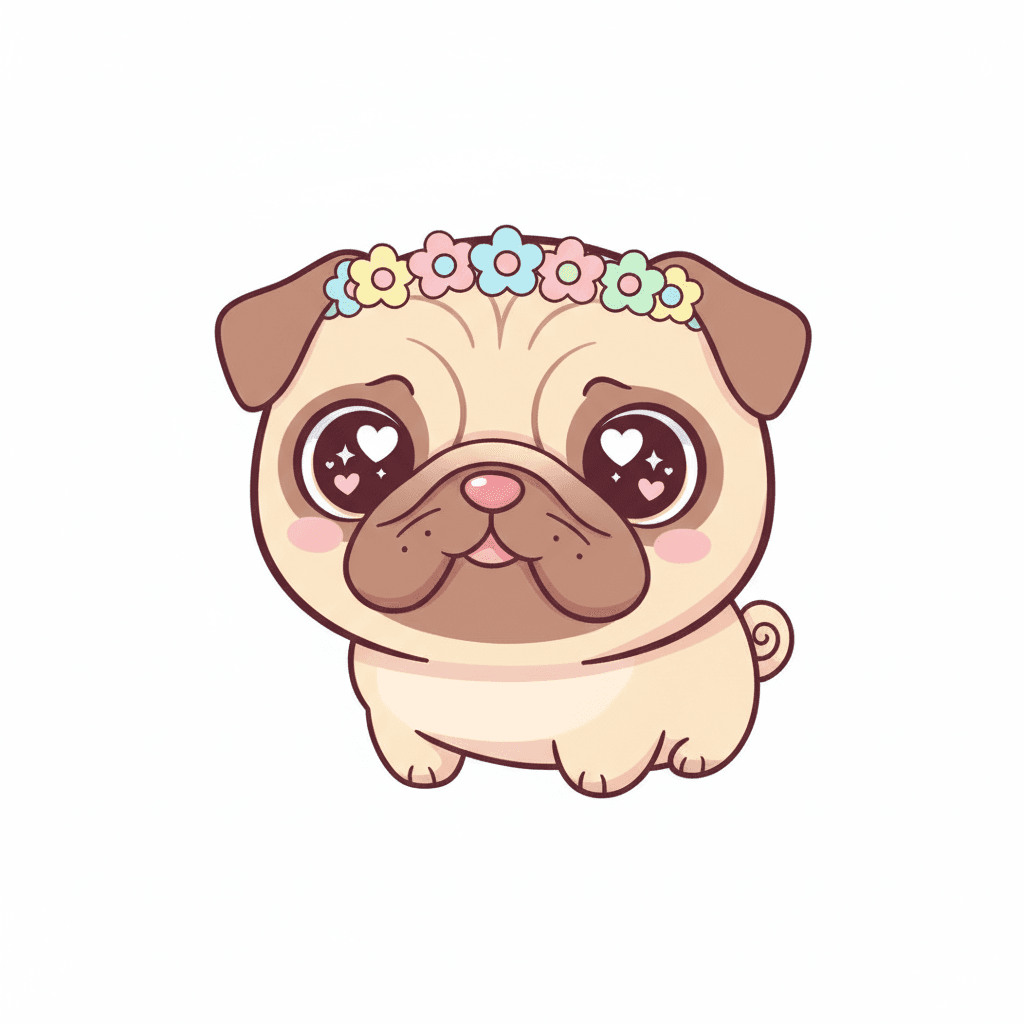
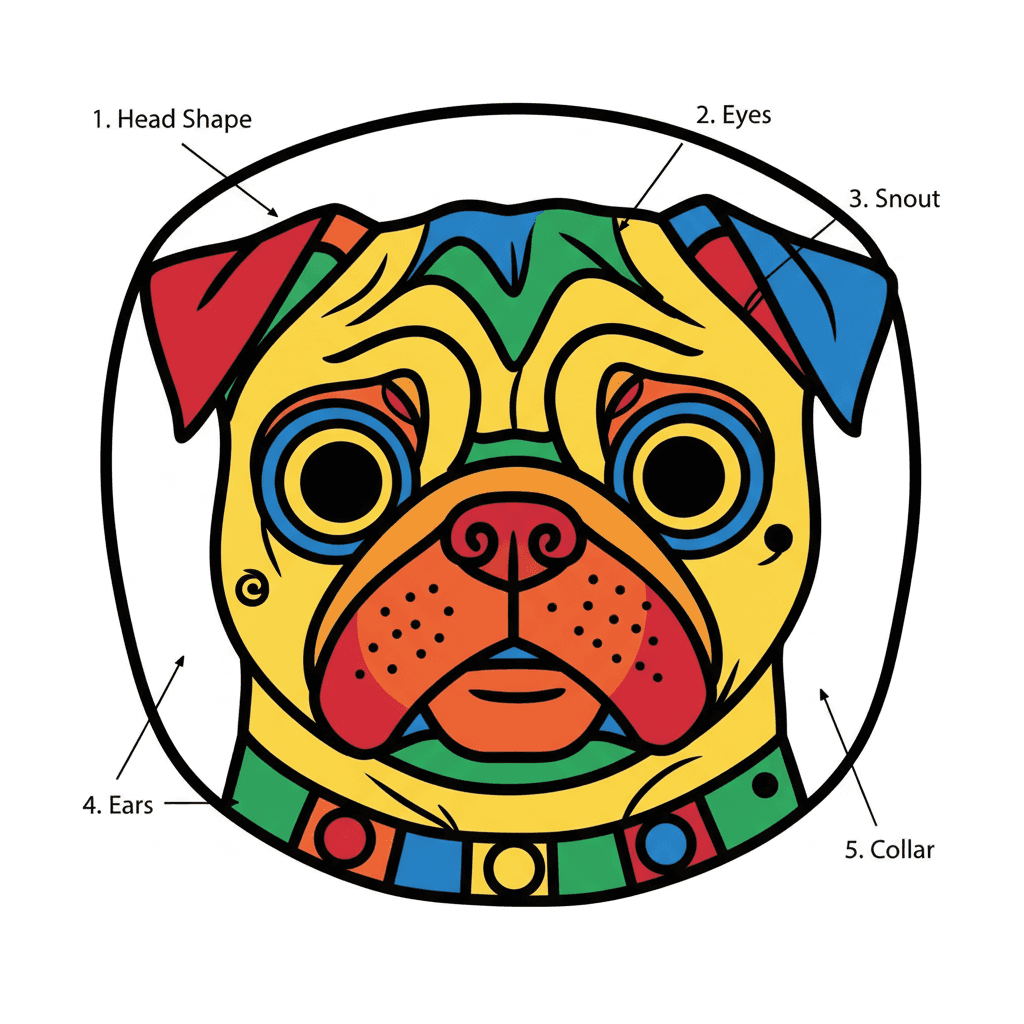
Instructions
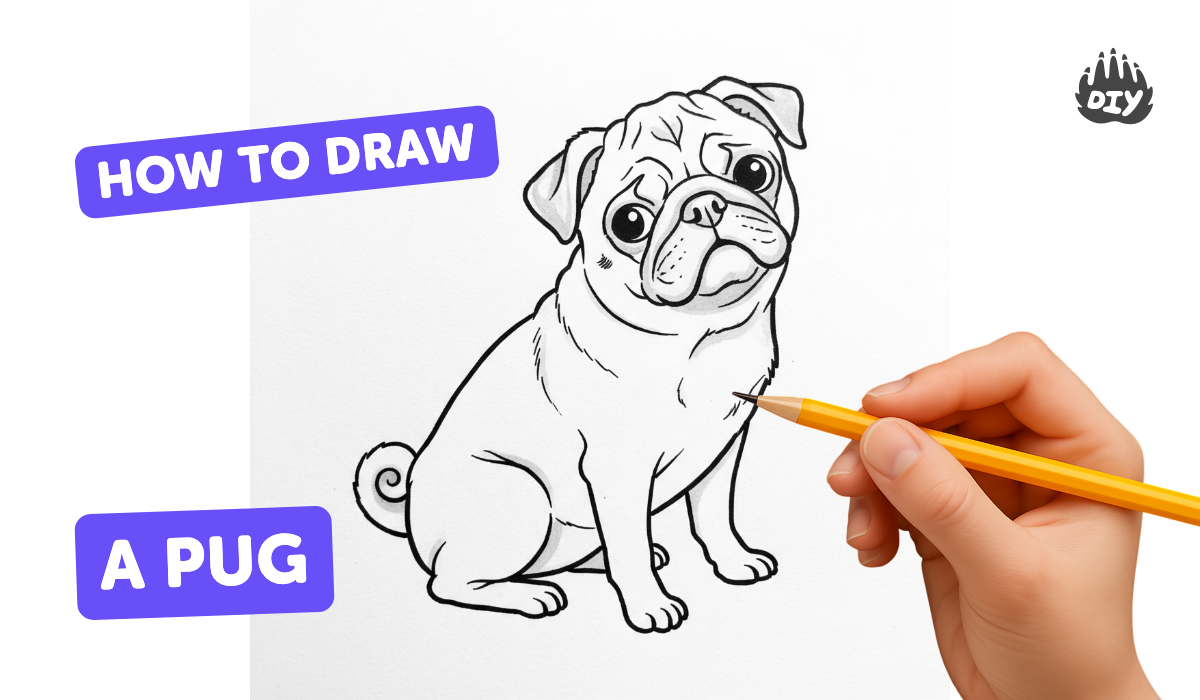
How To Draw A Pug
Step 1
Gather your materials and sit at a well-lit table.
Step 2
Lightly draw a large circle for the pug's head with your pencil.
Step 3
Draw a slightly flattened oval that overlaps the lower part of the circle to make the muzzle.
Step 4
Place two small evenly spaced circles above the muzzle for the eyes.
Step 5
Draw a rounded triangle shape for the nose centered on the top of the muzzle.
Step 6
Draw a short vertical guideline from the nose down to help place the mouth.
Step 7
Draw a curved mouth line under the muzzle and add a small tongue shape if you like.
Step 8
Sketch two floppy ear shapes attached to the top sides of the head.
Step 9
Lightly draw a small rounded body under the head and add four short stubby legs.
Step 10
Add a small curled tail at the back of the body.
Step 11
Erase extra construction lines so your pug looks cleaner.
Step 12
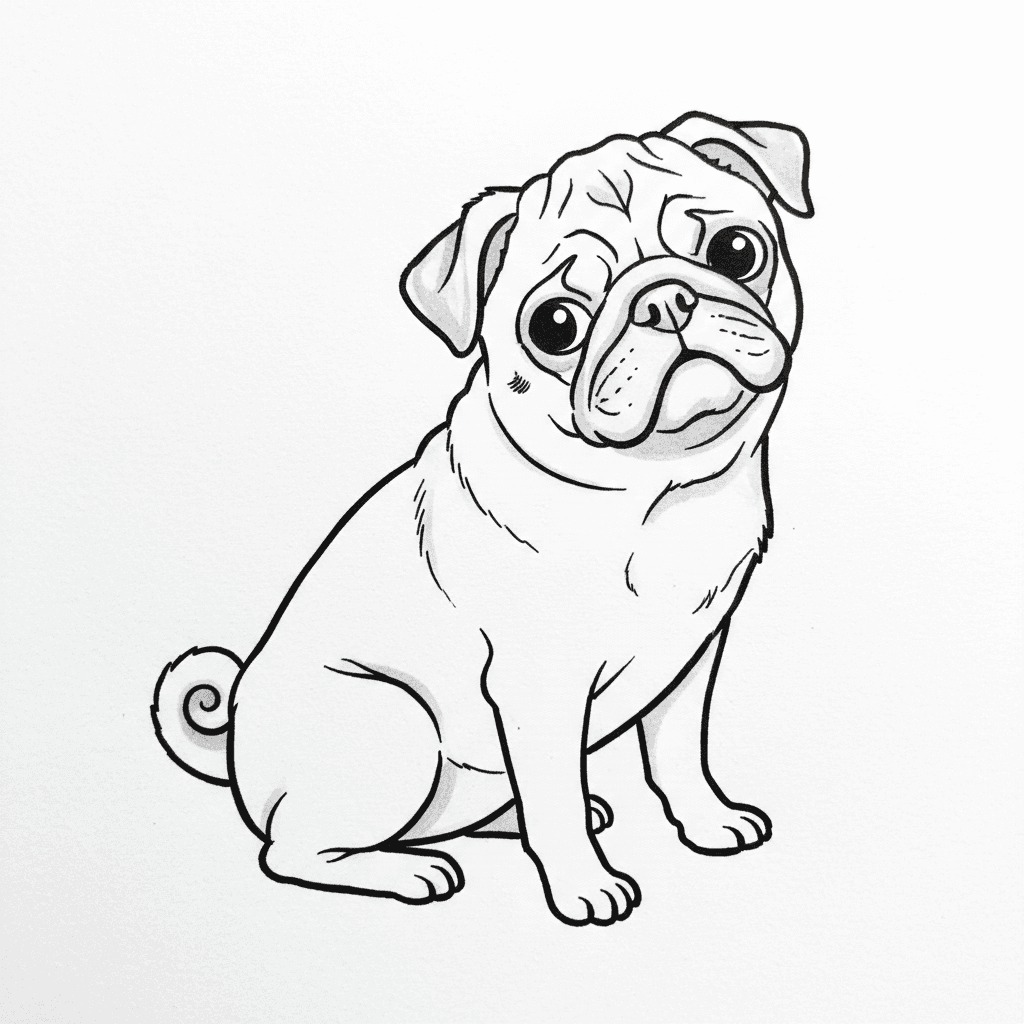
Add forehead wrinkles and short fur lines around the muzzle for detail.
Step 13
Shade shadow areas with your pencil then blend gently with a tissue or cotton swab and color the pug with colored pencils layering darker tones for depth.
Step 14
Share your finished pug drawing on DIY.org.
Help!?
What can we use if we don't have colored pencils or cotton swabs?
If you don't have colored pencils or cotton swabs, use crayons or washable markers for color and blend pencil shading with a soft tissue, a cotton ball, or your fingertip when following the 'shade shadow areas' and 'blend gently' steps.
My pug's features look uneven—how can I fix it?
If the muzzle or eyes look out of proportion, go back to the 'large circle' head and 'slightly flattened oval' muzzle construction lines and lightly adjust or erase with a kneaded eraser before adding the nose, eyes, and mouth details.
How can I adapt this drawing for different age groups?
For younger kids, simplify to the 'large circle' head, 'flattened oval' muzzle, two eyes and color with crayons, while older kids can add the 'forehead wrinkles,' short fur lines, and layered pencil shading blended with a tissue or cotton swab.
How can we make the pug drawing more unique or advanced?
To personalize or advance the drawing, erase extra construction lines, add a patterned collar or background scene, and build depth by layering darker tones with colored pencils in the 'shade shadow areas' step before sharing on DIY.org.
Related videos
HOW TO DRAW A CUTE PUG DOG KAWAII EASY 🐶
4 Videos
HOW TO DRAW A CUTE PUG DOG KAWAII EASY 🐶
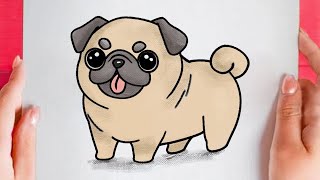
How to draw a Pug step by step easy - Puppy dog drawing
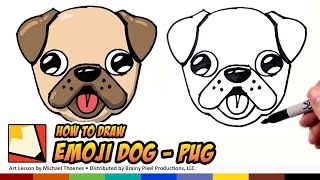
How to Draw a Cute Dog Emoji Pug for Beginners Step by Step | BP
How to Draw a Cute Puppy Easy Kawaii Dog Drawing Tutorial for Kids & Beginners
Fun Facts
🐶 Pugs were beloved companion dogs in ancient China and have a history going back many centuries.
✏️ Shading creates the illusion of 3D — even just three value steps (light, mid, dark) can make a shape pop.
📏 Pugs have a short, wide skull (brachycephalic) which gives them that adorable flat face — great for practicing proportion.
🎨 Layering colored pencils with light strokes builds richer, smoother color than pressing hard right away.
👀 Artists often use a pencil held at arm's length to measure and compare sizes — a simple pro trick for better proportion.
How do I teach my child to draw a pug step by step?
What materials do I need to draw a pug with pencil and colored pencils?
What ages is drawing a pug with simple shapes and shading suitable for?
What are the benefits of drawing a pug for children?
