How to draw a lake - a free lake drawing guide
Draw a realistic lake scene using pencils, crayons, or watercolors; sketch shoreline, reflections, trees, and sky while practicing shading and perspective.


Drawing Apps
Photos of lake drawing examples
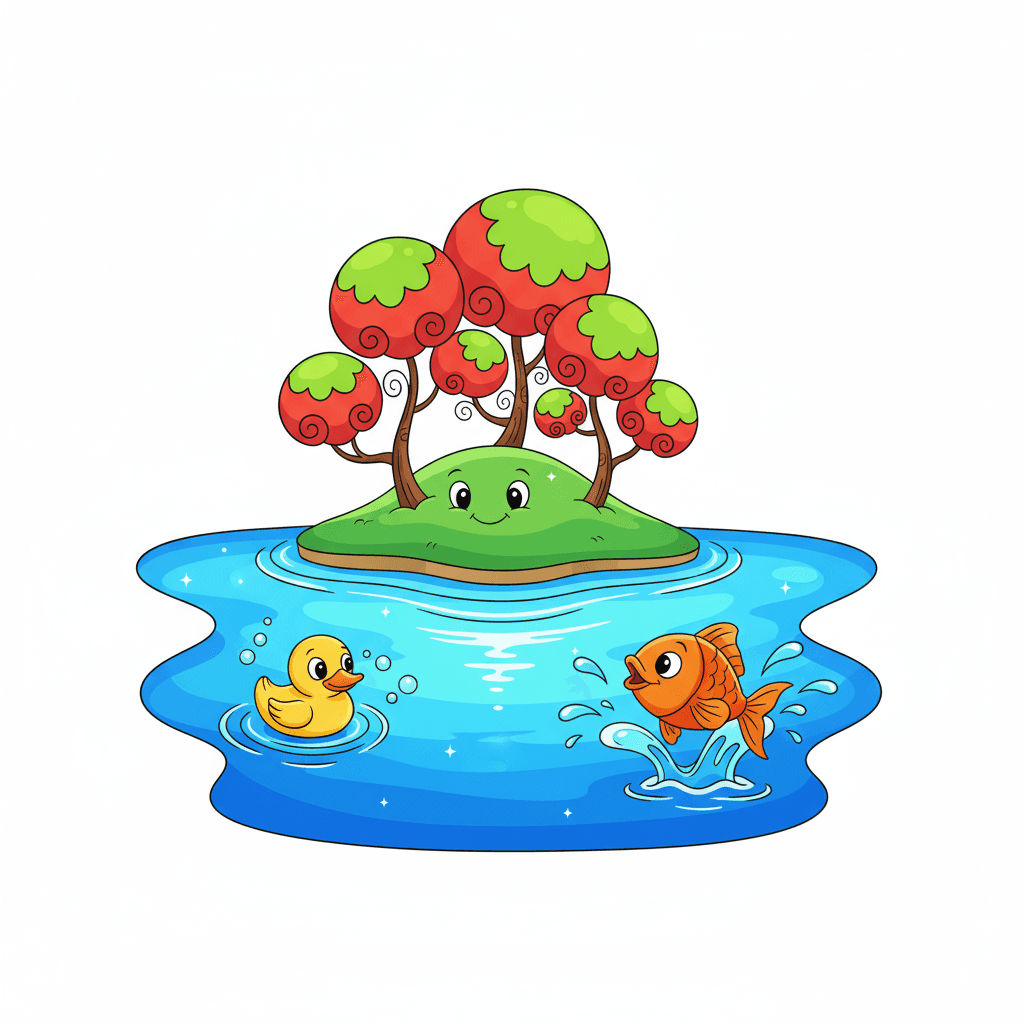


Step-by-step guide to draw a lake
How to draw a Lake Landscape Step by Step Easy For Kids
Step 1
Gather your materials and choose whether you will use crayons colored pencils or watercolors.
Step 2
Place your drawing paper in landscape or portrait orientation on a flat surface.
Step 3
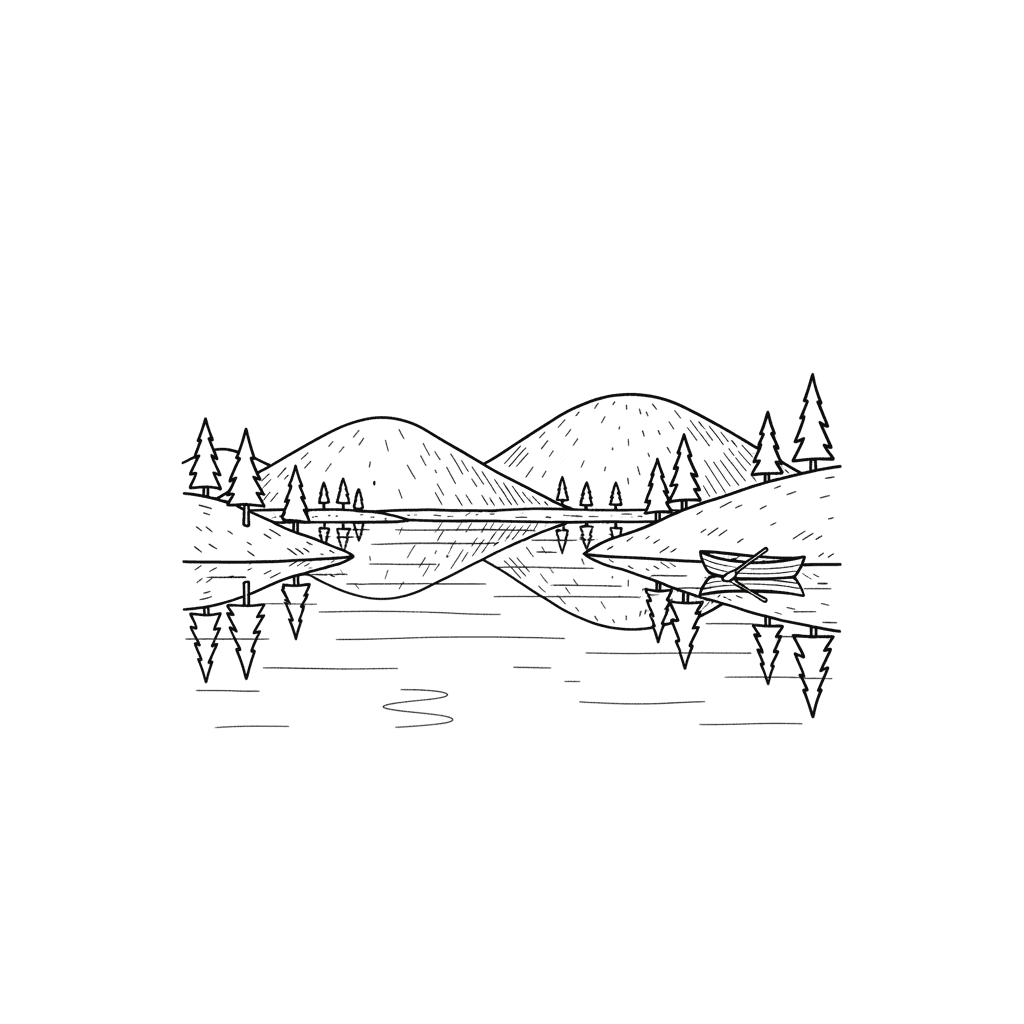
Lightly draw a straight horizon line where the sky will meet the water.
Step 4
Sketch the shoreline with a smooth curved line to show where land meets the lake.
Step 5
Add simple shapes for trees bushes and distant hills along the shoreline making far objects smaller.
Step 6
Draw soft mirror images of the trees and shoreline below them in the water to show reflections.
Step 7
Add gentle horizontal ripples across the water to break up and blur the reflections.
Step 8
Shade the sky with light even strokes and leave lighter areas for clouds.
Step 9
Shade the water with horizontal strokes and make the tones darker closer to the shore.
Step 10
Add darker shading to one side of each tree and along the shoreline to show where the light comes from.
Step 11
Erase any extra pencil guidelines to tidy up your sketch.
Step 12
Add color with your chosen materials using lighter colors for distant parts and richer colors for the foreground.
Step 13
Share your finished lake scene on DIY.org.
Help!?
What can I use if I don’t have crayons, colored pencils, or watercolors?
Substitute washable markers or poster paints on printer paper, or blend chalk pastels with a tissue to shade the sky and water in place of crayons, colored pencils, or watercolors.
My reflections in the water look wrong—how do I fix them?
Redo step 5 by lightly drawing each tree and shoreline mirror image directly below the originals, then soften them with the horizontal ripples from step 6 to blur the reflections.
How should I change the activity for younger or older kids?
For younger children use big crayons, a pre-drawn horizon line from step 3 and simple tree stamps to follow steps 2–5, while older kids can add atmospheric shading and darker tones near the shore in step 12 and refine details with careful brushwork.
How can we personalize or extend the finished lake scene?
Add a small boat or animals along the shoreline, paint a sunrise or sunset with richer foreground colors as described in step 12, or try sprinkling salt into wet watercolors for texture before sharing your finished lake scene on DIY.org.
Watch videos on how to draw a lake
How To Draw a Lake Scenery Easy For Kids |Drawing Lake Scenery Simple
4 Videos
How To Draw a Lake Scenery Easy For Kids |Drawing Lake Scenery Simple
How to Draw a Lake in a Few Easy Steps: Drawing Tutorial for Beginner Artists
How to Draw a Peaceful Lake Scenery - Super Easy Pencil Drawing for Beginners
Watch How to Draw a Beautiful Lake | Easy Landscape Drawing
Facts about landscape drawing and painting
🎨 Many landscape artists use a small palette of 3–5 colors to mix all the tones needed for sky, water, and land.
🌊 Reflections on calm water act like an upside-down copy of the scene — ripples and waves distort that mirror image.
🌳 You can make a flat tree look three-dimensional with just three value tones: light, mid, and dark.
☀️ One-point perspective (a single vanishing point) is a simple trick to make shorelines and paths look like they recede into the distance.
🖌️ Watercolors usually dry lighter than they look when wet, so painters often apply a bit more pigment than expected.
How do I teach my child to draw a realistic lake scene?
What materials do I need to draw a realistic lake scene?
What ages is this lake drawing activity suitable for?
What are the benefits of drawing a realistic lake scene?
