How to Draw a Bird
Draw a friendly bird step by step using pencil, eraser, and colored pencils, practicing basic shapes, proportions, wing details, and simple shading for realism.
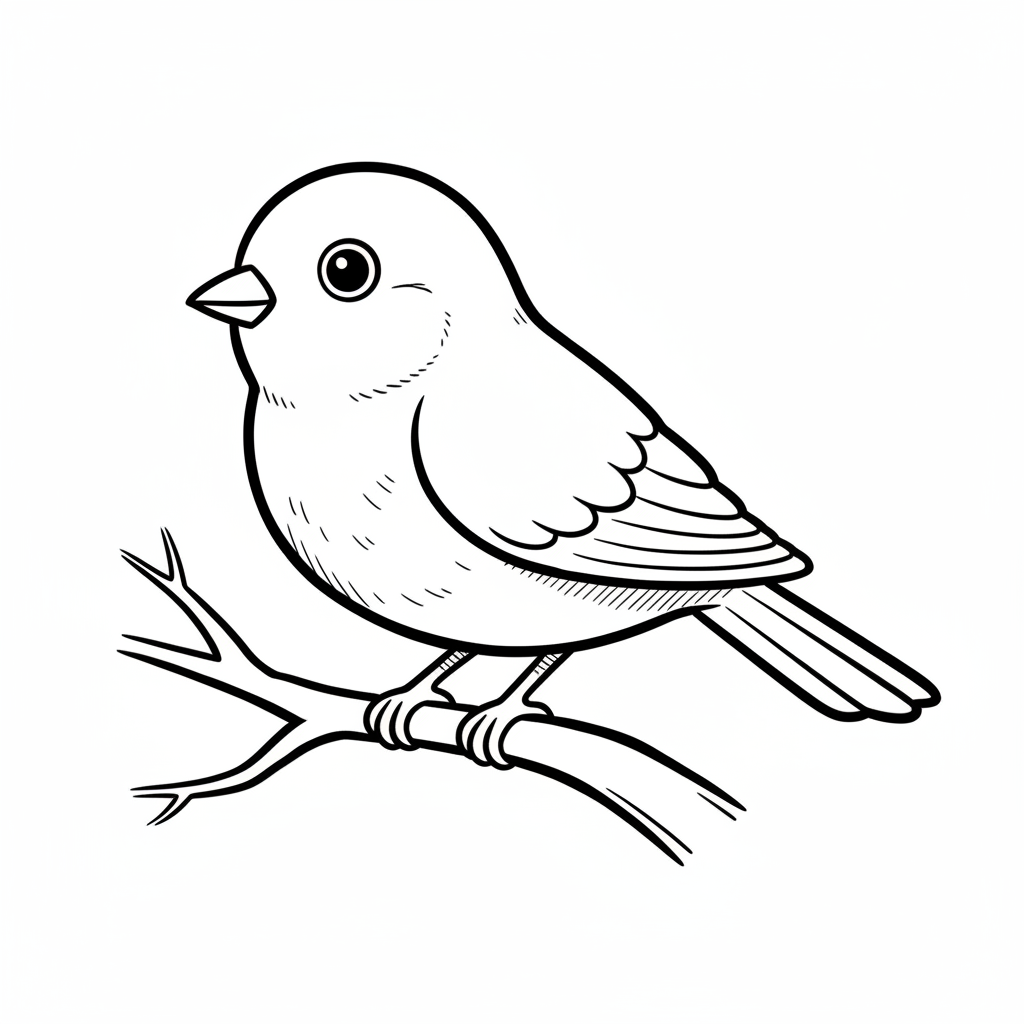
About this tutorial
Draw a friendly bird step by step using pencil, eraser, and colored pencils, practicing basic shapes, proportions, wing details, and simple shading for realism.
What you need
Instructions
- 1
Step 1
Sit at a table and arrange your pencil eraser colored pencils and paper so they are easy to reach.
- 2
Step 2
Lightly draw a slightly tilted oval in the center of the page for the bird's body.
- 3
Step 3
Draw a smaller circle that overlaps the top of the oval for the bird's head.
- 4
Step 4
Draw a short guideline from the head pointing outward to mark where the beak will go.
- 5
Step 5
Sketch a small triangular beak at the end of the guideline.
- 6
Step 6
Draw a round eye on the head and keep a tiny white dot inside for a shiny highlight.
- 7
Step 7
Add a curved line across the body to show the wing's outer shape.
- 8
Step 8
Draw several short curved lines inside the wing to make feather details.
- 9
Step 9
Draw two thin legs under the body.
- 10
Step 10
Add simple three-toed feet at the ends of the legs.
- 11
Step 11
Erase extra overlapping construction lines so your bird looks neat.
- 12
Step 12
Shade lightly under the belly and below the wing with your pencil to give the bird roundness.
- 13
Step 13
Color your bird with colored pencils choosing at least two colors for the body and one for the beak.
- 14
Step 14
Take a photo or scan your finished bird and share it on DIY.org.
Get inspired
Fun facts
How do I teach my child to draw a friendly bird step by step?
Start with a light circle for the head and a larger oval for the body. Add a curved line to connect them and a small triangle beak. Place two dots for eyes and guidelines for wing placement. Sketch a rounded wing shape and simple tail feathers, then erase guidelines. Add feather lines and light shading under the wing and belly for depth. Finish by coloring with colored pencils, layering and blending gently.
What materials do I need to draw a friendly bird with my child?
Pencil (HB or 2B), a soft eraser (kneaded or rubber), sharpened colored pencils in a range of colors, paper or sketchbook, a sharpener, and a scrap sheet for testing colors. Optional: blending stump or cotton swab for soft shading, a ruler for guidelines, and reference photos of birds. Keep small items out of reach of very young children.
What ages is drawing a friendly bird suitable for?
Generally suitable for children aged 4–6 with adult help for drawing shapes and using pencils. Ages 7–9 can follow steps more independently and add details. Ages 10+ can practice proportions, more precise wing anatomy, and simple shading for realism. Adapt complexity and supervision to each child's fine motor skills and attention span.
What are the benefits of drawing friendly birds for kids and how can I vary the activity?
Drawing friendly birds builds fine motor control, shape recognition, observation skills, and confidence. It encourages creativity and patience while introducing basic proportions and shading. Variations: try different bird species, simplify shapes for preschoolers, or make a collage by cutting and coloring pieces. For a challenge, draw birds in motion or create a habitat background. Always praise effort and offer gentle guidance on technique.
Watch & Learn
Need help?
What can we use instead of colored pencils, a pencil, or an eraser if we don't have them?
If you don't have colored pencils use crayons or markers for the 'Color your bird' step, and if you lack a pencil or eraser draw construction lines very lightly with a ballpoint pen or trace the shapes on thin paper so you can copy them and skip erasing.
My bird looks messy because of overlapping lines or smudges—how do I fix that?
If extra lines or smudges make the bird look messy, carefully follow the 'Erase extra overlapping construction lines' step using a clean eraser or a soft kneaded eraser and then redraw any lost outlines lightly before shading under the belly and wing.
How can I change the activity to suit different age groups?
For younger children simplify by pre-drawing the 'slightly tilted oval' and 'smaller circle' for them to trace and add sticker eyes, while older kids can add detailed feather lines, cross-hatching shading under the belly, and blend colors during the 'Color your bird' step.
How can we make the finished bird more creative or keep extending the project?
To enhance the activity personalize the bird by adding patterns to the wing, inventing a habitat background on the page before shading, experimenting with two or more body colors during the 'Color your bird' step, and then photograph the result to share a themed series on DIY.org.