How to draw a bed - a free bed drawing guide
Learn to draw a simple bed step by step using pencil, ruler, and eraser, adding sheets, pillows, and shading to create a cozy bedtime scene.


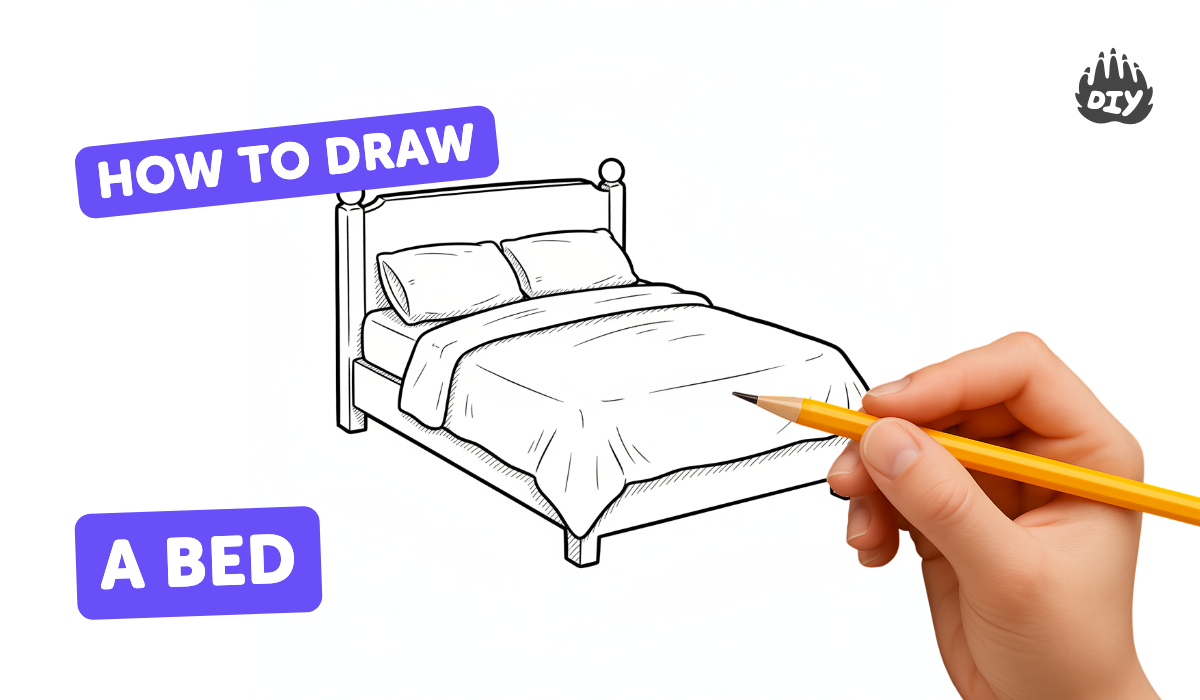
Drawing Apps
Photos of bed drawing examples
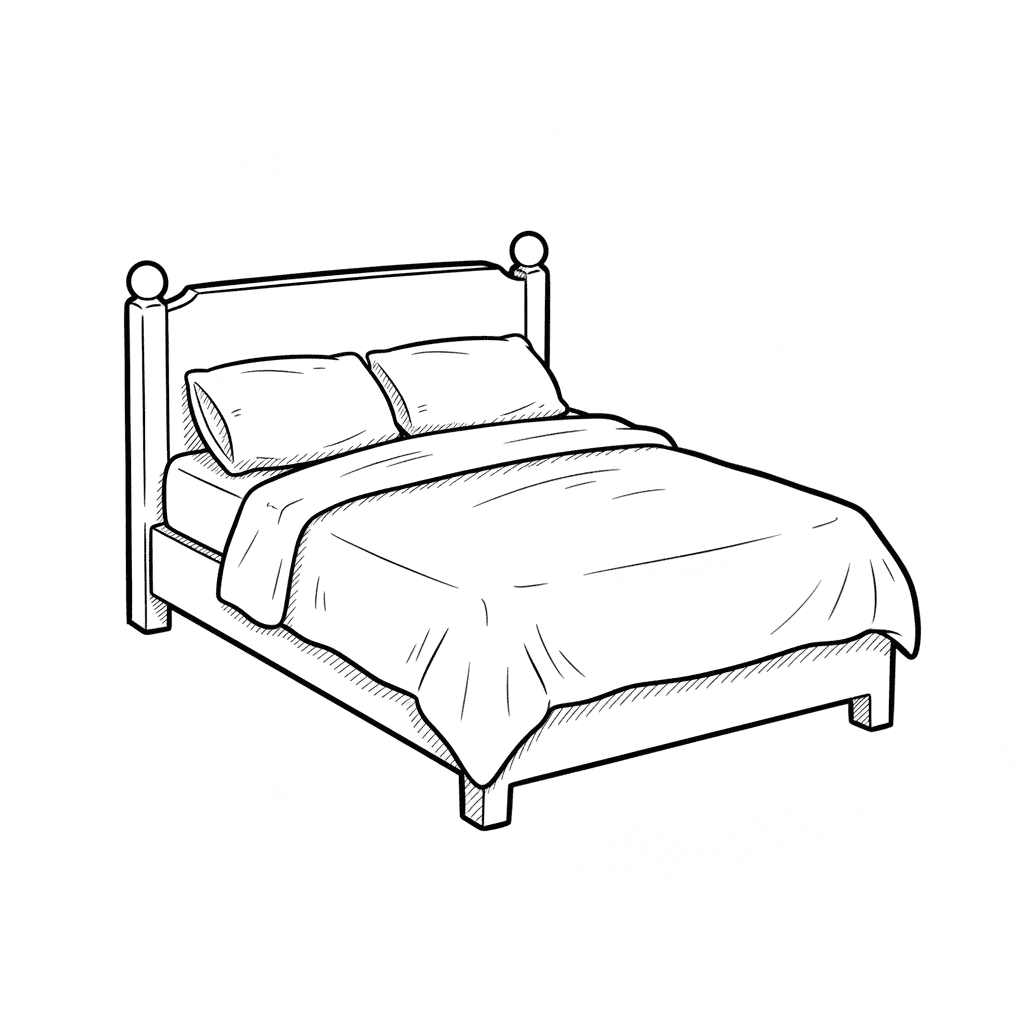
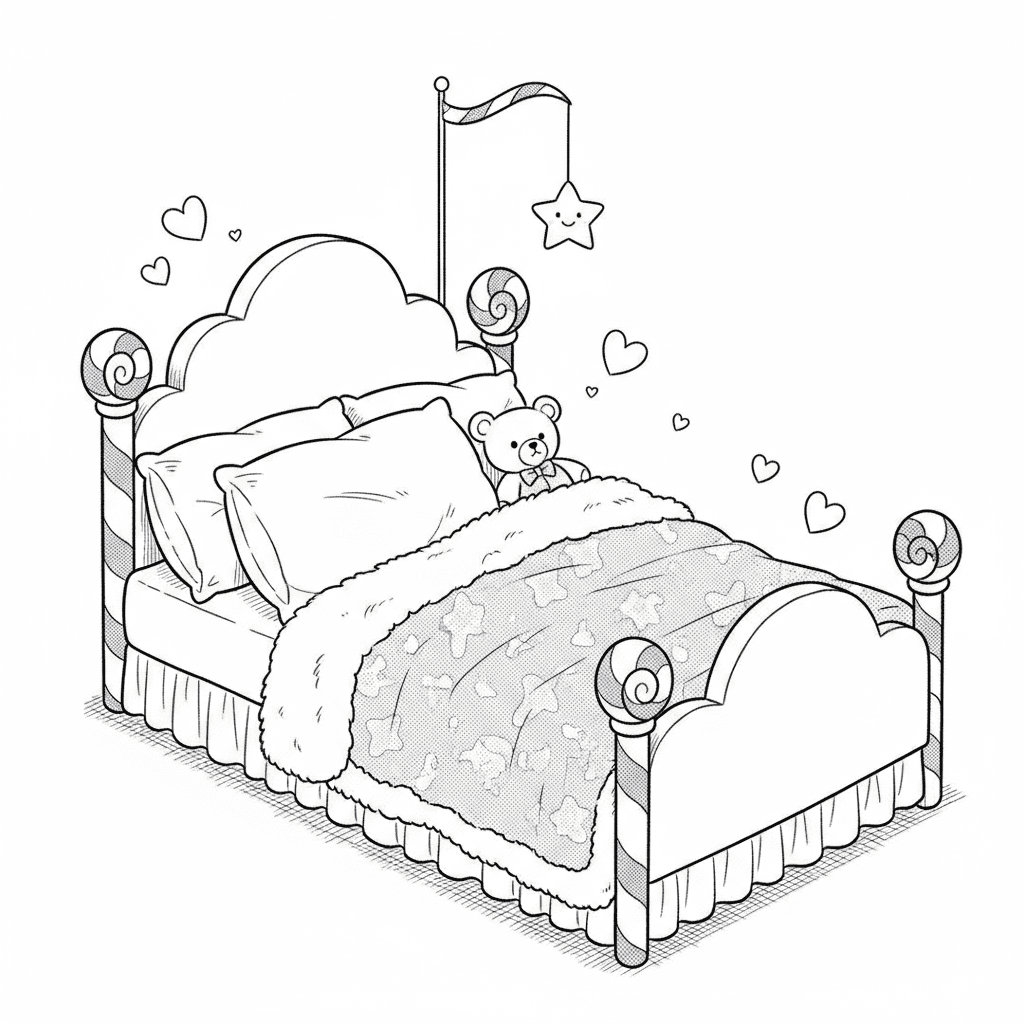
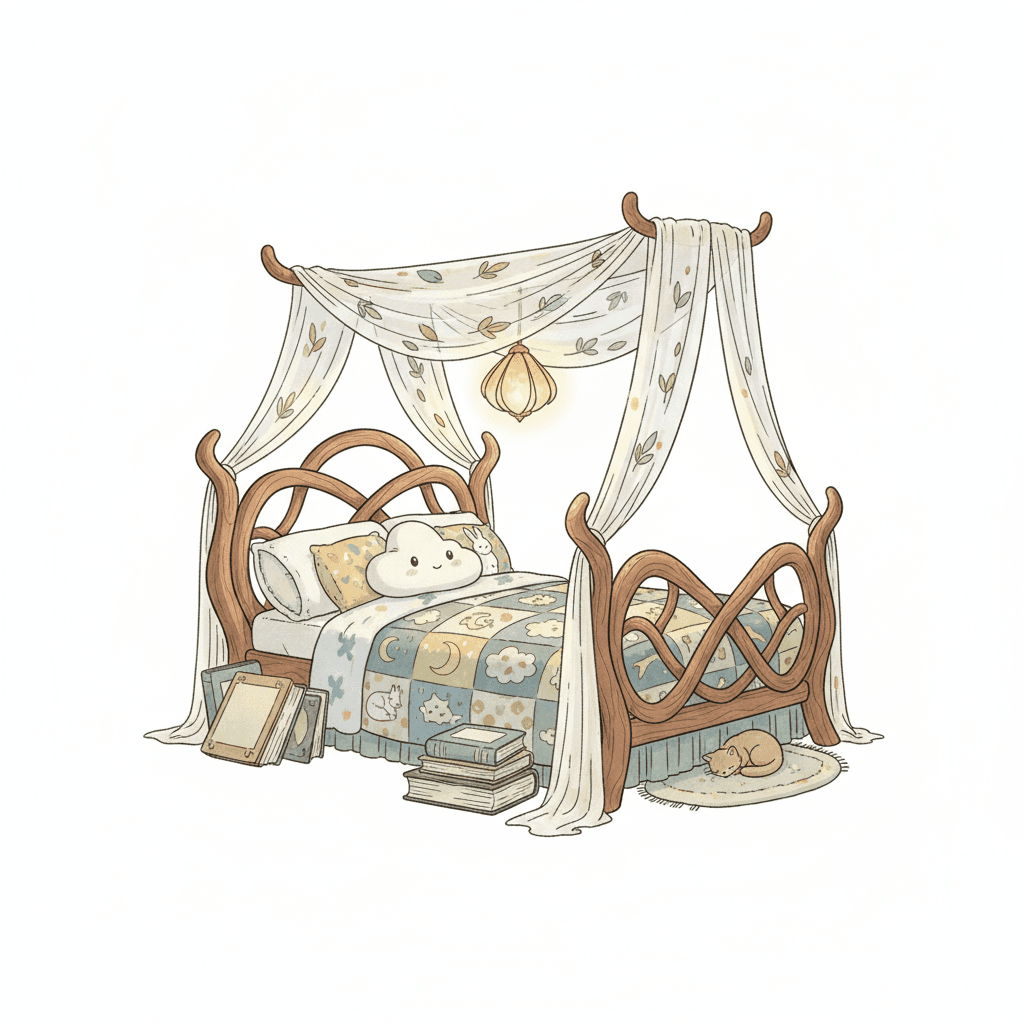
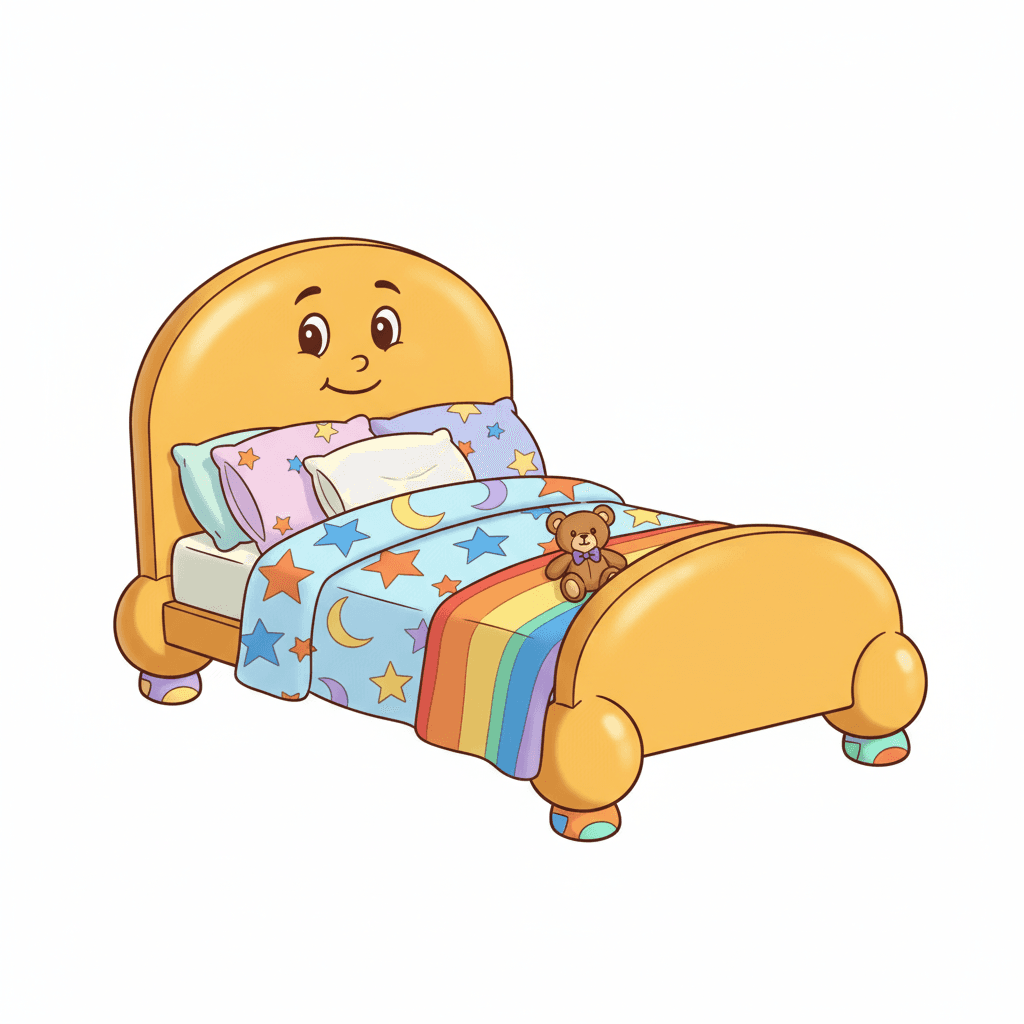

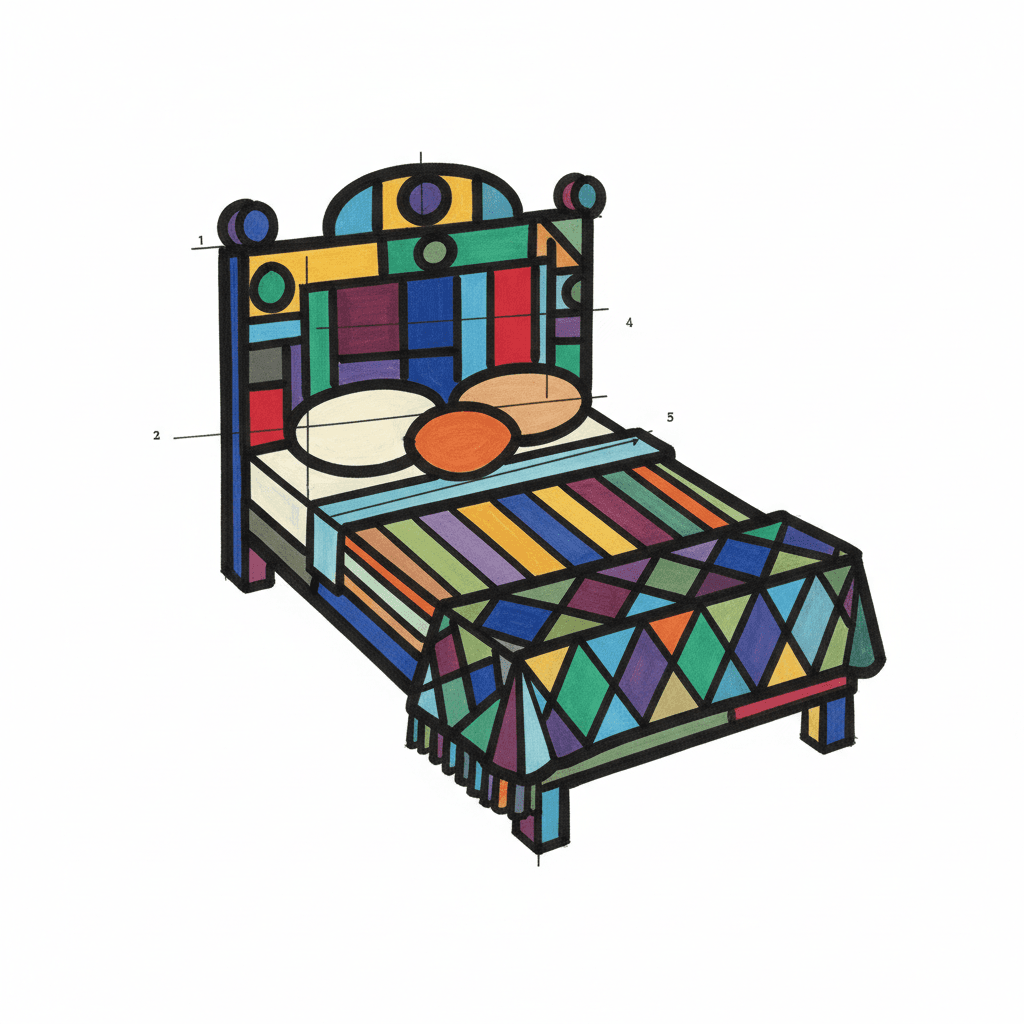
Step-by-step guide to draw a bed
How to draw a bed easy step by step | bed drawing and coloring for kids @Izamnaart1
Step 1
Place your paper on a flat surface so it won’t move while you draw.
Step 2
Use your ruler and pencil to draw a long horizontal rectangle in the lower half of the paper to make the mattress.
Step 3
Draw two short vertical lines under the rectangle near each corner to make the bed legs.
Step 4
Sketch a tall curved or straight rectangle at one short end of the mattress to create the headboard.
Step 5
Draw a slightly smaller rectangle inside the mattress outline to show the top sheet.
Step 6
Draw two rounded rectangles that sit against the headboard to make two comfy pillows.
Step 7
Draw a gentle curved line across the mattress from one side to the other to show the blanket’s top edge.
Step 8
Add little curved lines on the pillows and blanket to show folds and creases for a soft look.
Step 9
Draw vertical lines or wood-grain marks on the headboard and foot area to add texture to the bed.
Step 10
Erase any extra construction lines so your bed looks clean and neat.
Step 11
Darken the final outlines of the bed so the shapes stand out.
Step 12
Decide where the light is coming from and lightly shade under the mattress edges and beneath the pillows to make the bed look cozy.
Step 13
Add patterns or a small stuffed toy on the bed and colour your drawing if you like.
Step 14
Share your finished cozy bed drawing on DIY.org.
Help!?
What can I use instead of a ruler or pencil if I don't have them?
If you don't have a ruler, use the straight edge of a hardcover book or a piece of cardboard to draw the long horizontal rectangle for the mattress, and if you lack a pencil a soft colored pencil works so you can still erase the construction lines.
My mattress and legs look crooked—how can I fix that?
If your mattress rectangle or bed legs look crooked, lightly redraw them using a ruler or book edge and erase extra construction lines before darkening the final outlines so the bed looks clean and neat.
How can I adapt this drawing for different age groups?
For younger children, have them trace a pre-drawn long horizontal rectangle and rounded pillow shapes and add stickers instead of detailed shading, while older kids can add wood-grain marks on the headboard, detailed folds, and careful shading under the mattress and pillows.
What are fun ways to enhance or personalize the bed drawing?
Personalize your bed by drawing a patterned top sheet, placing a small stuffed toy on the bed, experimenting with a different light source to deepen the shading under the mattress and pillows, and then colour and share it on DIY.org.
Watch videos on how to draw a bed
How To Draw A Bed Step By Step 🛏️ Bed Drawing Easy
4 Videos
How To Draw A Bed Step By Step 🛏️ Bed Drawing Easy
How to Draw a Bed - Easy Step-by-Step Guide 🛏️ | Beginner-Friendly Drawing Tutorial #howtodraw
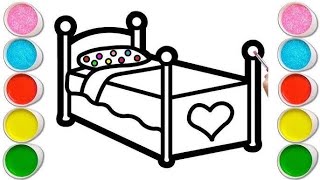
How to Draw a Bed | Easy & Fun Drawing for Kids!
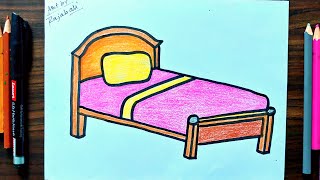
How to draw a kids Bed||kids drawing tutorial
Facts about drawing and sketching for kids
🛏️ Beds have been used for thousands of years—people in ancient civilizations slept on raised platforms long before modern mattresses existed!
💤 Ancient Egyptians sometimes used pillows made of wood or stone instead of soft cushions—comfort ideas change over time!
✏️ Pencils are graded by hardness and 'HB' sits in the middle, making it a favorite for sketching and shading cozy scenes.
📏 A common school ruler is 30 cm (12 in), perfect for drawing straight bed frames and neat perspective lines.
🧽 Before rubber erasers became common, artists often used breadcrumbs to lift pencil marks—now erasers help you fix oopsies easily!
How do I teach my child to draw a simple bed step by step?
What materials do I need to draw a simple bed with my child?
What ages is this bed-drawing activity suitable for?
What are the benefits and fun variations of drawing a cozy bed?
