Get Cooking With Local Produce
Make a seasonal fruit and vegetable salad using local produce, practice safe chopping with adult help, learn measuring, tasting, and sharing healthy recipes.


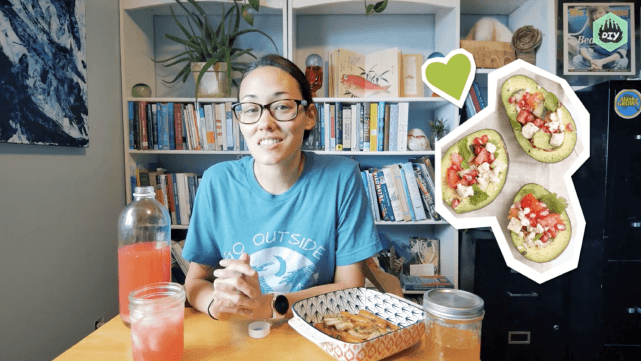

Step-by-step guide to make a seasonal fruit and vegetable salad
Step 1
Wash your hands with soap and warm water for 20 seconds before you start.
Step 2
Gather the local fruits and vegetables you want to use and place them on your clean workspace.
Step 3
Rinse each fruit and vegetable under running water to remove dirt and germs.
Step 4
Dry each fruit and vegetable with a clean cloth or paper towel so they are not slippery.
Step 5
Measure your dressing ingredients into a small bowl for example 1 tablespoon lemon juice 1 tablespoon olive oil and 1 teaspoon honey.
Step 6
Stir the dressing ingredients together with a spoon until they are mixed and smooth.
Step 7
Ask an adult to help chop the fruits and vegetables into safe bite-sized pieces on the cutting board.
Step 8
Measure about 1 cup of each chopped fruit or vegetable and add them to the mixing bowl.
Step 9
Pour the dressing over the chopped produce and toss gently with the large spoon until everything is coated.
Step 10
Taste a small spoonful of your salad to see if you like the flavor.
Step 11
If you want more flavor add a little more lemon honey or a tiny pinch of salt and stir to mix.
Step 12
Spoon your finished salad into plates or bowls and write down the recipe name ingredients and measurements you used.
Step 13
Share your finished creation on DIY.org
Help!?
What can we use instead of olive oil, lemon juice, or honey if we don't have them?
If you don’t have olive oil, lemon juice, or honey for the 'Measure your dressing ingredients' step, substitute olive oil with a mild vegetable oil (like canola), lemon juice with apple cider vinegar or a splash of orange juice, and honey with maple syrup or a little jam thinned with water.
The fruits are slippery and hard to chop—what should we do?
If produce is slippery after rinsing, be sure to follow the 'Dry each fruit and vegetable' step thoroughly and have an adult hold the item steady on the cutting board while chopping into safe bite-sized pieces.
How can we adapt this activity for different age groups?
For preschoolers, focus on 'Wash your hands', rinsing, drying, measuring with help, stirring the dressing, and tasting while an adult does the chopping, whereas older kids can chop with supervision, measure their own '1 cup' portions, adjust dressing proportions, and write up the recipe to share on DIY.org.
How can we make the salad more interesting or personalized?
To enhance your finished salad, try adding chopped herbs, toasted nuts or seeds, crumbled cheese, or roasted vegetables before you 'Spoon your finished salad into plates' and write down the new ingredients and measurements.
Watch videos on how to make a seasonal fruit and vegetable salad
Girls Learning to Grind Veggies in Asanka | Cooking Fun Together #learningtogether #cookingwithkids
4 Videos
Girls Learning to Grind Veggies in Asanka | Cooking Fun Together #learningtogether #cookingwithkids

Let's Build a Rainbow | Food Discovery | Fun, Healthy Kids Activities | TexasWIC.org/kids

Farms and Food for Kids | Learn how food comes from a farm to your table
Vania Mania Kids Cooking Challenge with Grandma + More Kids Videos
Facts about cooking with seasonal produce
🍓 Fruits and veggies start losing nutrients after harvest — eating local often means tastier, more nutritious salads!
🌽 Many vegetables taste sweetest in their proper season — corn, tomatoes, and peas are at their best when freshly harvested.
🔪 Learning safe chopping with an adult builds real kitchen skills and helps prevent accidents — use a stable board and keep fingers curled!
🥄 Measuring is tiny chemistry for chefs — for example, 1 U.S. cup = 16 tablespoons, so measuring makes recipes repeatable.
🤝 Farmers' markets and community gardens love to share recipes — swapping ideas is a fun way to try new local foods!
How do you make a seasonal fruit and vegetable salad with local produce?
What materials do I need to make a seasonal fruit and vegetable salad with my child?
What ages is making a seasonal fruit and vegetable salad appropriate for?
What are the benefits and safety tips for a seasonal produce salad activity, and how can we vary it?
