Fillet a fish
With adult supervision, learn to fillet a small cleaned fish using safe tools, practicing careful cuts, knife skills, and proper hygiene.
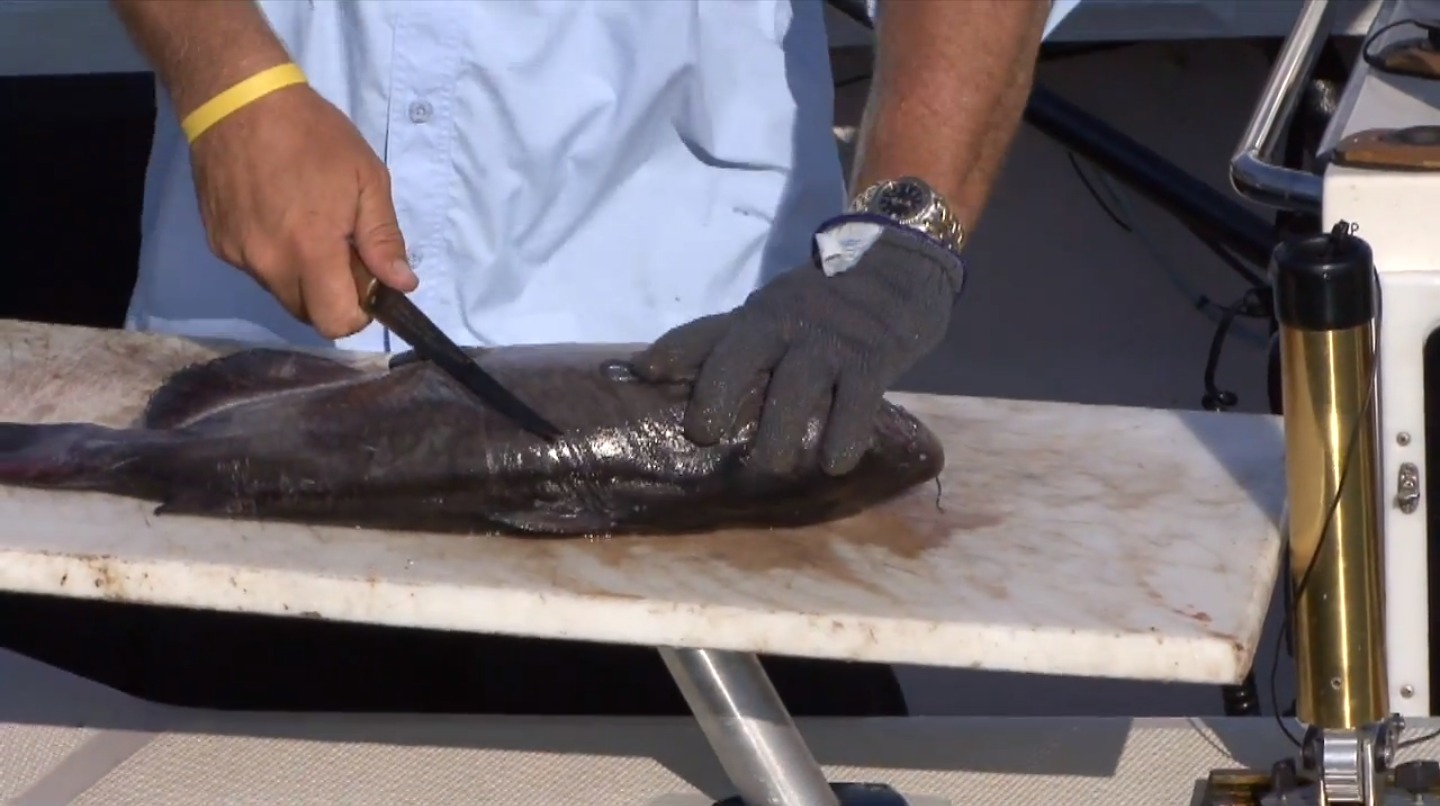
About this activity
With adult supervision, learn to fillet a small cleaned fish using safe tools, practicing careful cuts, knife skills, and proper hygiene.
What you need
Step by step
- 1
Step 1
Wash your hands with soap and warm water for 20 seconds to remove germs.
- 2
Step 2
Gather all materials on a clean counter so everything is within reach.
- 3
Step 3
Put on kitchen gloves to keep your hands clean and dry while you work.
- 4
Step 4
Place the fish on the cutting board on its side with the head to your left.
- 5
Step 5
Ask an adult to make a small cut just behind the gills down to the backbone.
- 6
Step 6
Ask the adult to turn the knife so the blade points toward the tail and carefully slide it along the backbone to free the first fillet.
- 7
Step 7
Lift the freed fillet gently with your fingers and place it into the fillet bowl.
- 8
Step 8
Ask the adult to flip the fish and repeat the same cut to remove the second fillet.
- 9
Step 9
Use tweezers to pull out any visible rib bones or pin bones from each fillet.
- 10
Step 10
Rinse each fillet briefly under cold running water to wash away loose scales or bits.
- 11
Step 11
Pat the fillets dry with paper towels so they are ready to cook or store.
- 12
Step 12
Scrape fish scraps and bones into the bowl for scraps to keep your workspace tidy.
- 13
Step 13
Wash the cutting board and any tools with dish soap and hot water to clean them.
- 14
Step 14
Wash your hands with soap and warm water again after cleaning up.
- 15
Step 15
Share a photo and a short description of your finished fillets on DIY.org.
Fun facts
How do you fillet a fish with a child?
With adult supervision, start by placing a small, cleaned fish on a non-slip cutting board and securing it by the head. Using a sharp fillet knife held by the adult, make an initial cut behind the gills then run the blade along the backbone toward the tail to separate the fillet. Lift the fillet away, trim rib bones, and repeat on the other side. Move slowly, keep fingers clear, and talk each step through with the child so they learn technique and respect for tools.
What materials do I need to fillet a fish with a child?
You’ll need a small cleaned fish, a sharp fillet knife (handled by the adult or a supervised child-safe knife), a sturdy non-slip cutting board, kitchen gloves (optional), a bowl for fillets and a separate bowl for waste, paper towels, running water for rinsing, a surface sanitizer, and a first-aid kit nearby. Also have oven or stove ready to cook the fillets to a safe temperature after preparation.
What ages is this activity suitable for?
This activity suits older children (around 10+) who demonstrate focus and basic knife safety, with close adult supervision. Younger children (5–9) can participate by learning steps verbally, holding the fish steady, or helping remove bones from already-filleted fish while the adult does cutting. Adapt roles to the child’s maturity: start with observation, then guided hands-on tasks before letting them try small safe cuts under strict oversight.
What safety tips and benefits come from filleting fish with a child?
Safety: always supervise closely, cut away from the body, use a non-slip board, keep fingers clear, wear gloves if desired, and sanitize surfaces and tools. Benefits: teaches food preparation, knife skills, fine motor control, respect for food and animals, and boosts confidence. Also follow food-safety guidelines—rinse fish, keep it cold, and cook fillets to at least 145°F (63°C) or until opaque and flaky.
Watch & Learn
Need help?
What can we use instead of tweezers, kitchen gloves, or a fillet bowl if we can't find them?
Use clean needle-nose pliers in place of tweezers to pull pin bones, wear disposable food-service gloves or thoroughly wash and dry hands and use paper towels instead of kitchen gloves, and place freed fillets on a rimmed baking sheet or large plate if you don't have a fillet bowl.
The adult's cut keeps tearing the fillet or leaving meat on the bones—how can we fix that?
Have the adult start with the small cut behind the gills as instructed, keep the blade flush against the backbone and use long, steady strokes toward the tail while stabilizing the fish by patting it dry and placing a damp towel under the cutting board to prevent slipping.
How can we adapt this filleting activity for younger kids versus older kids?
For preschoolers let them do washing hands, gathering materials, and scraping scraps into the scrap bowl; elementary kids can hold the fish, help lift fillets into the bowl and pull pin bones with tweezers under supervision; and teens can practice the backbone slide with an adult guiding the knife.
What are simple ways to extend or personalize the filleting activity after the fillets are finished?
Use the scraps and bones from the scrap bowl to make fish stock, season and cook one fillet to try different recipes, photograph and write the short description for DIY.org, or weigh fillets to compare yield and record results as a mini science project.