Draw a Standing Cartoon
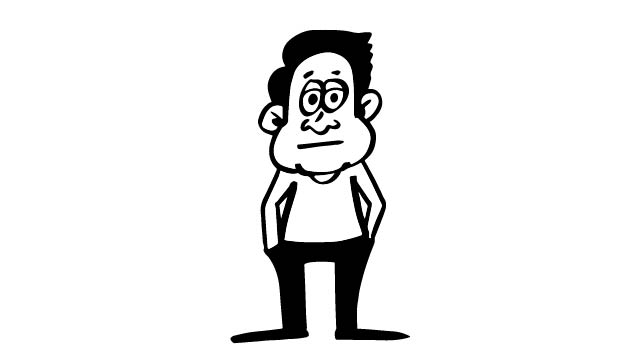
Draw a standing cartoon character using simple shapes, add facial expressions and clothing, then color and pose it to show personality.
About this tutorial
Draw a standing cartoon character using simple shapes, add facial expressions and clothing, then color and pose it to show personality.
What you need
Instructions
- 1
Step 1
Pick a cartoon character idea and decide their personality like happy shy brave or silly.
- 2
Step 2
Lightly draw a simple shape for the head such as a circle or oval.
- 3
Step 3
Lightly draw a simple shape for the torso such as a rectangle or big oval and a small shape for the hips.
- 4
Step 4
Draw a vertical centerline on the head and a horizontal line for the eye level to guide the face.
- 5
Step 5
Sketch straight or curved lines and small circles to map the arms legs and joints for the pose.
- 6
Step 6
Smooth the shape blocks into body outlines and add simple hands and feet shapes.
- 7
Step 7
Draw eyes eyebrows a nose and a mouth on the face lines to create the expression you chose.
- 8
Step 8
Add clothing hair and any accessories that match the character’s personality.
- 9
Step 9
Adjust small details like arm bend head tilt or leg position so the pose looks lively.
- 10
Step 10
Trace your best pencil lines with a black marker to make the drawing bold and clear.
- 11
Step 11
Wait for the marker to dry then erase the pencil sketch and color the character with your coloring materials.
- 12
Step 12
Share your finished standing cartoon on DIY.org
Fun facts
How do I teach my child to draw a standing cartoon character step by step?
Start by sketching simple shapes: a circle for the head, an oval for the torso, and rectangles or cylinders for arms and legs. Lightly draw guidelines for proportions and the center line of the face. Add facial expressions using eyes, eyebrows, and mouth. Design clothing and accessories to show personality, then refine outlines and erase construction lines. Finally, choose colors and add shading or patterns. Encourage playful poses and practice different gestures to build confidence.
What materials do I need to draw a standing cartoon character with my child?
You'll need plain paper or a sketchbook, a soft pencil (HB-2B), a good eraser, and a pencil sharpener. For inking and color, use a black fineliner or marker plus colored pencils, markers, or crayons. Optional extras: a ruler for poses, reference images, blending tools for shading, and stickers for decoration. Keep supplies washable and age-appropriate to make cleanup easy and safe for young children.
What ages is drawing a standing cartoon character suitable for?
This activity suits preschool to teen levels with adjustments. Ages 4–6 enjoy simple shapes and bold colors with adult help. Ages 7–10 can work on proportion, expressions, and clothing details independently. Ages 11–15 can explore dynamic poses, anatomy basics, and stylized designs. Tailor complexity, time, and tools to the child's attention and motor skills; supervise younger kids and offer encouragement rather than perfection.
What are the benefits of drawing standing cartoon characters and how can I vary the activity?
Drawing standing cartoon characters helps fine motor control, spatial reasoning, and visual storytelling. It encourages imagination, emotional expression through facial cues and poses, and boosts confidence when kids finish and share their characters. The step-by-step process teaches planning, problem-solving, and attention to proportion. Variations like theme prompts (animals, superheroes), using collage or digital apps, or collaborative group drawings keep the activity fresh and build social s
Watch & Learn
Need help?
What can we use if we don't have a black marker to trace our drawing?
If you don't have a black marker for the 'trace your best pencil lines with a black marker' step, substitute a dark ballpoint pen or fine-tip permanent pen or press harder with a dark colored pencil, and then 'wait for the marker to dry' before erasing the pencil.
My character's pose looks stiff or the proportions are wrong—what should I fix?
If the pose or proportions look off after you 'sketch straight or curved lines and small circles to map the arms legs and joints' and 'smooth the shape blocks into body outlines', lighten your pencil, use the small circles as joint pivots to adjust limb angles, and re-check the 'vertical centerline' and 'eye level' before retracing.
How can I change the activity for younger or older kids?
For younger kids, simplify by using pre-cut 'head' and 'torso' shapes and stickers for 'clothing and accessories', while older kids can add detailed 'hands and feet shapes', hair texture, and shading after erasing the pencil.
What are some ways to make the character more interesting or unique?
Personalize the drawing by choosing expressive 'eyes, eyebrows, a nose and a mouth' to match the personality, add patterned 'clothing, hair and accessories', emphasize a lively 'arm bend, head tilt or leg position', color with different 'coloring materials', and share the finished standing cartoon on DIY.org.