Do chores
Complete three household chores such as tidying a room, washing dishes, and sorting laundry, then time yourself and reflect on skills learned.
About this activity
Complete three household chores such as tidying a room, washing dishes, and sorting laundry, then time yourself and reflect on skills learned.
What you need
Step by step
- 1
Step 1
Pick the three chores you will do today: tidying a room washing dishes and sorting laundry.
- 2
Step 2
Gather all your materials and bring them to the place you'll work.
- 3
Step 3
Write the name of each chore on a line in your notebook.
- 4
Step 4
Set your timer to start timing the first chore and get ready.
- 5
Step 5
Tidy the room by picking up items from the floor and putting each item where it belongs.
- 6
Step 6
Stop the timer when the room is tidy and write the elapsed time next to that chore in your notebook.
- 7
Step 7
Reset or set the timer and get ready for the second chore.
- 8
Step 8
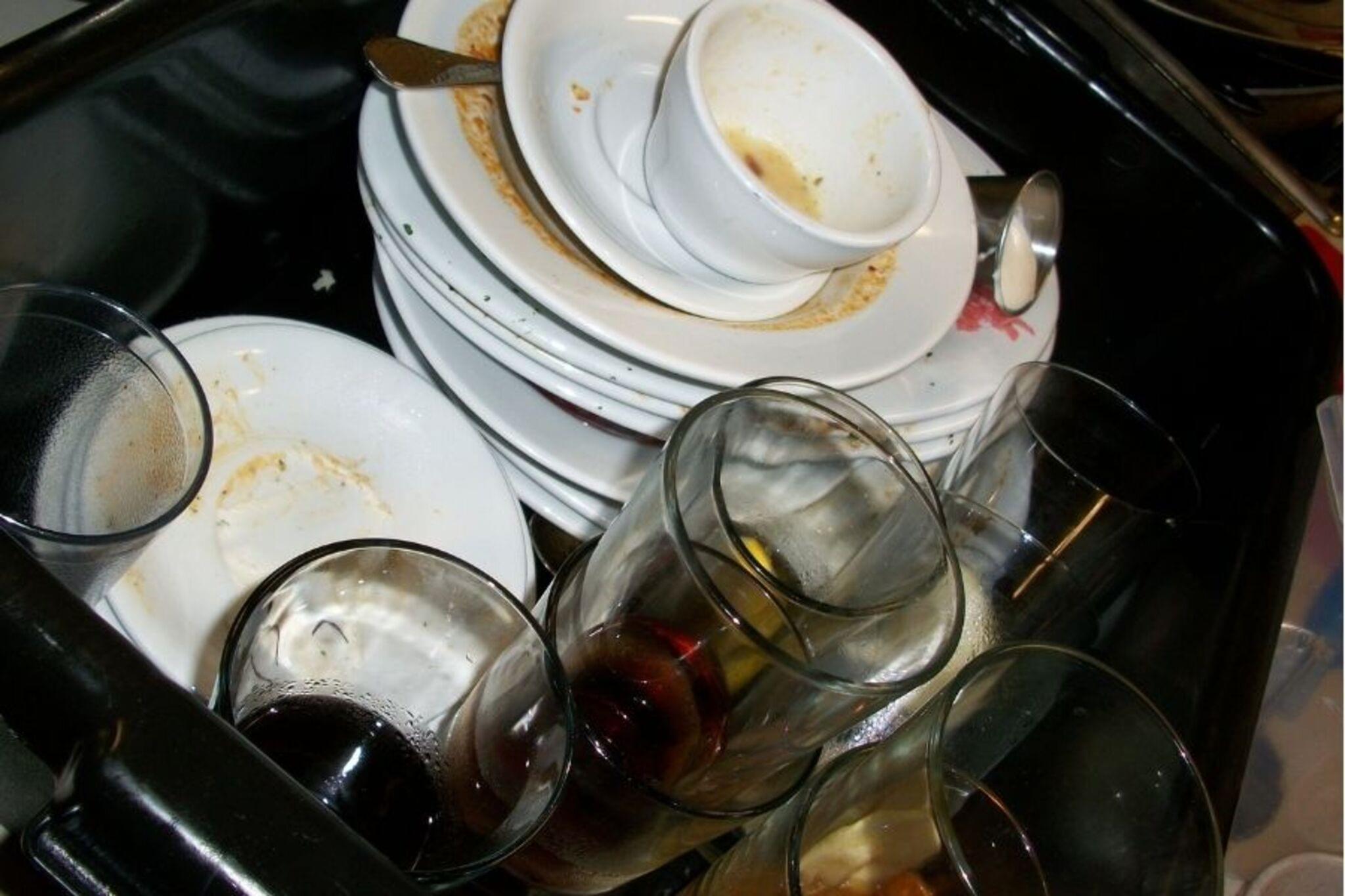
Wash the dishes by soaping rinsing and placing them on the towel or drying rack.
- 9
Step 9
Stop the timer when the dishes are done and write the elapsed time next to that chore in your notebook.
- 10
Step 10
Set the timer for the third chore and prepare the laundry basket.
- 11
Step 11
Sort the laundry into piles for colors whites and delicates and place each pile in the laundry basket.
- 12
Step 12
Stop the timer when sorting is finished and write the elapsed time next to that chore in your notebook.
- 13
Step 13
Write three things you learned or skills you improved while doing the chores and write one goal for next time.
- 14
Step 14
Share a photo or a short description of your checklist times and reflection on DIY.org.
Fun facts
How do I run a timed chore challenge where my child tidies a room, washes dishes, and sorts laundry?
Explain each task clearly, demonstrate steps, and set realistic time goals. Give the child a timer or stopwatch and let them start with tidying, then washing dishes (use child-safe items), and finishing with sorting laundry into correct piles. Supervise for safety, offer encouragement, and pause the timer if needed. After finishing, have a short reflection conversation about what went well, what was tricky, and what they'd change next time.
What materials do I need for a timed chore and reflection activity?
Gather a timer or phone, child-safe cleaning supplies (mild soap, sponge), laundry baskets, a hamper or sorting bins, dish towels, and non-slip step stool if needed. Provide gloves or aprons for mess protection and a simple checklist or score sheet to track tasks. For reflection, use a notebook, stickers, or a short questionnaire for feelings and skills learned. Keep emergency numbers and supervision items handy for young kids.
What ages is this timed chore activity suitable for?
This activity can be adapted by age: preschoolers (3–5) can tidy toys and sort laundry with close supervision and simpler timers; early elementary (6–8) can wash lightweight dishes and follow a checklist with help; older kids (9–12) can complete tasks more independently and manage time; teens can run the challenge end-to-end and reflect on efficiency. Always match tasks to motor skills and provide supervision for safety.
What skills and benefits will my child gain from timed chores and reflection?
Timed chores build time management, focus, and responsibility while teaching sequencing and household skills. Reflecting afterward boosts metacognition, helping children identify strengths, set goals, and learn from mistakes. Repeated practice improves independence, fine motor skills, and teamwork. The activity also encourages pride in accomplishments and can reduce anxiety about chores by turning them into short, manageable challenges with positive reinforcement.
Watch & Learn
Need help?
What can we use instead of a kitchen timer, notebook, towel/drying rack, or laundry basket if we don't have them?
Use a phone timer for the timing steps, a sheet of paper or school notebook to write each chore and elapsed times, a clean bath towel or baking sheet for the 'towel or drying rack' to hold washed dishes, and a laundry hamper, shopping bag, or cardboard box as the 'laundry basket'.
What should we do if the timer stops, items are hard to find a home for, or dishes are greasy during the activity?
If the timer is interrupted, pause or reset it before continuing; sort the room in small zones and put 'belongs in another room' items in a labeled box while tidying, and wear rubber gloves and scrape greasy pans before the soaping and rinsing step to make washing faster and safer.
How can we adapt the three chores and timing steps for different ages?
For preschoolers, pick just one chore, use picture cards in the notebook and very short timers with adult help for washing dishes and sorting laundry, while older kids can time themselves competitively, add folding or loading the washer, and write a full reflection and goal to post on DIY.org.
What are simple ways to extend or personalize the chore-timing activity after finishing the three tasks and reflections?
Take before-and-after photos for each chore, chart your elapsed times in the notebook to watch progress, create a reward or music playlist for each timed task, and set a specific improvement goal to include when you share your checklist and reflection on DIY.org.