Design Skirts of All Kinds
Design and decorate simple skirts like circle, A line, and gathered using paper or fabric scraps; measure, cut, and sew safely with adult help.
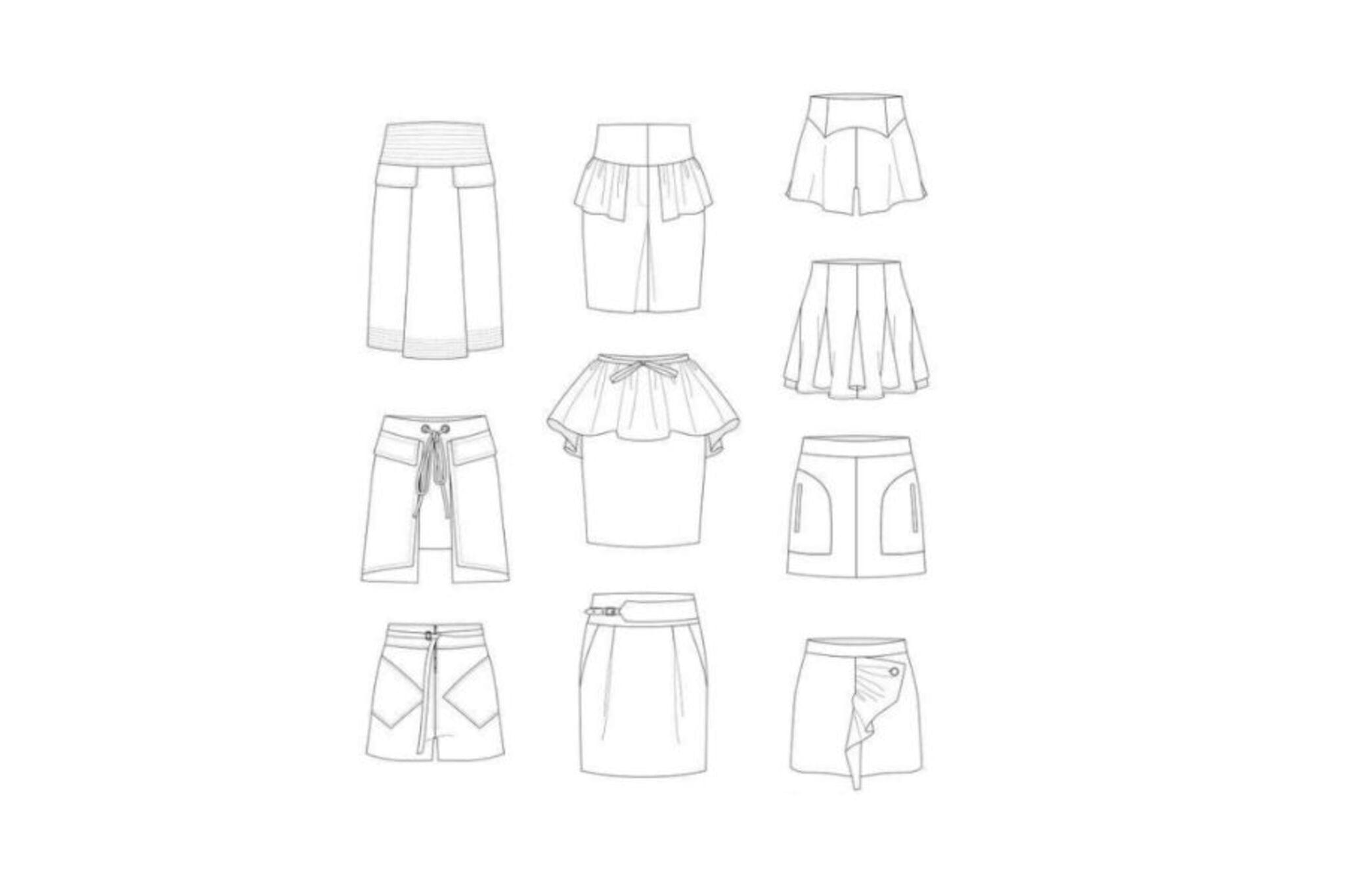
About this activity
Design and decorate simple skirts like circle, A line, and gathered using paper or fabric scraps; measure, cut, and sew safely with adult help.
What you need
Step by step
- 1
Step 1
Clear a flat workspace and lay out your materials so everything is easy to reach.
- 2
Step 2
Choose which skirt style you want to make: circle A line or gathered.
- 3
Step 3
Measure your waist with the measuring tape and note the number on your paper.
- 4
Step 4
Measure how long you want the skirt from waist to hem and write that number down.
- 5
Step 5
Fold your fabric or paper scrap according to your chosen style before drawing the pattern.
- 6
Step 6
Use your ruler and pencil to draw the skirt outline on the folded fabric or paper using your measurements.
- 7
Step 7
Cut out the skirt shape carefully with scissors following the lines you drew.
- 8
Step 8
Pin or clip any edges or pieces together so they stay in place for sewing.
- 9
Step 9
With an adult present ask them to help you sew the main seams to join the skirt pieces.
- 10
Step 10
With adult help create a waistband by folding over the top edge and threading elastic or stitching a ribbon in place to fit your waist.
- 11
Step 11
Use decorating materials to add buttons sequins patches or drawings to your skirt to make it unique.
- 12
Step 12
Share a photo of your finished skirt on DIY.org
Fun facts
How do I teach my child to design and decorate simple skirts (circle, A-line, gathered) using paper or fabric scraps?
Start by choosing a skirt style (circle, A-line, or gathered). Measure the child’s waist and length, mark the pattern on paper or doubled fabric, then cut along lines. For paper versions use glue or tape to assemble; for fabric, sew a side seam and casing for elastic with adult supervision. Decorate with fabric scraps, trims, paint, or appliqué, and finish edges. Always supervise cutting and sewing.
What materials do I need to design and decorate skirts with paper or fabric scraps?
You'll need basic supplies: paper or fabric scraps, measuring tape, pencil or fabric marker, scissors (child-safe for kids), pins or fabric glue, needle and thread or a simple sewing machine used by an adult, elastic or ribbon for waistbands, trim, buttons, and optional fabric paint or stickers. Also keep a cutting mat and apron for protection. Always include adult supervision when using sharp tools or machines.
What ages is designing skirts with paper or fabric scraps suitable for?
This activity suits ages 3–12 with adjustments: toddlers (3–5) can decorate paper skirts and practice measuring with help; ages 6–8 can cut simple patterns and learn basic hand-stitching with supervision; 9–12-year-olds can measure, cut fabric, and use simple sewing techniques with adult oversight. Always supervise scissors, needles, and machines—offer more independence as skills and safety awareness grow.
What safety tips and benefits come with making skirts with children?
Safety tips: always supervise cutting and sewing, use child-safe scissors, keep needles and pins in a pincushion, and teach how to handle machines only with adult operation. Benefits: this craft boosts fine motor skills, measurement and math practice, creativity, problem-solving, and confidence. It encourages patience, planning, and recycling materials. Modify tools and tasks by age to maximize learning while keeping children safe and engaged.
Watch & Learn
Need help?
What can we use instead of a measuring tape, fabric, or elastic if we can't find them?
Use a piece of string and a ruler to 'Measure your waist', repurpose an old sheet or heavy paper for the 'Fold your fabric or paper scrap' step, and substitute ribbon, a tied drawstring, or a safety-pinned elastic for 'threading elastic' in the waistband.
My fabric shifts or seams pucker when I cut or sew—how can I fix that?
To keep layers steady when you 'Cut out the skirt shape' and prevent puckering while you 'sew the main seams', pin or clip the fabric before cutting, trim slowly on your drawn lines with a ruler for accuracy, and use longer hand stitches or a longer machine stitch while pressing seams flat as you go.
How can I adapt the project for different ages?
For toddlers use paper scraps and pre-cut shapes for the 'Fold' and 'Cut out' steps and decorate with glue-on stickers, for elementary kids supervise scissors and simple hand stitching during 'sew the main seams', and for teens let them use a sewing machine, practice accurate 'Measure your waist' and create a fitted or lined skirt with an elastic or buttoned waistband.
What are simple ways to personalize or upgrade the skirt once it's made?
Before you 'sew the main seams' add patchwork by sewing scrap squares together, insert pockets by cutting extra fabric and pinning them to the side seams, line the skirt for a smoother finish, or embellish the hem and waistband with ribbon, sequins, or appliqué patches.