Critique a book
Read a short book and write a thoughtful book critique, summarizing plot, describing characters, and giving reasons for your opinion.




Step-by-step guide to critique a book
Writing tutorial: How to write a book review in 15 minutes (with example!)
Step 1
Choose a short book that sounds fun and that you can finish in one or two sittings.
Step 2
Find a quiet comfy spot where you can read without interruptions.
Step 3
Set a timer for 20 to 45 minutes depending on how long the book is.
Step 4
Read the book from start to finish paying attention to the main events.
Step 5
Place sticky notes on pages that show big events feelings or important clues.
Step 6
Write the book title the author and your name at the top of your paper.
Step 7
Write a one paragraph summary of the plot using your own words.
Step 8
Make a short list of the main characters and write one sentence describing each one.
Step 9
Write two or three sentences that explain your opinion of the book and give clear reasons why you liked or did not like it.
Step 10
Add one line that says who you would recommend the book to and why.
Step 11
Reread your whole critique slowly to check that your ideas are clear.
Step 12
Fix any spelling punctuation or grammar mistakes using your eraser and pencil.
Step 13
Decorate your page with colors small drawings or fun borders to make it look great.
Step 14
Share your finished critique on DIY.org
Help!?
What can we use if we don't have sticky notes or colored pencils listed in the materials?
If you don't have sticky notes use small folded scraps of paper or bookmarks to mark big events and feelings, and swap colored pencils for crayons, markers, or even cut-up magazine colors to decorate your page.
What should I do if I lose focus or can't finish the book within the 20–45 minute timer step?
Try shortening the timer into two or three focused chunks with small breaks in your quiet comfy spot, and use sticky notes to mark where you stopped so you can pick up the plot and main events easily during the reread step.
How can this activity be changed for younger or older kids while still following the instructions like writing a summary and character list?
For younger kids pick a short picture book and let them draw the one-paragraph summary and use stickers to label characters, while older kids can extend the 20–45 minute timer, write a longer summary and more detailed character sentences, and include specific page clues from their sticky notes.
What are simple ways to improve or personalize the finished critique before sharing on DIY.org?
Add a small timeline of sticky-note events, a one-line rating or recommendation badge, a cover illustration using your colors and drawings, and a short recorded explanation to upload with your critique on DIY.org.
Watch videos on how to critique a book
How To Write A Literature Review In 3 Simple Steps (FREE Template With Examples)
4 Videos

How To Write A Literature Review In 3 Simple Steps (FREE Template With Examples)
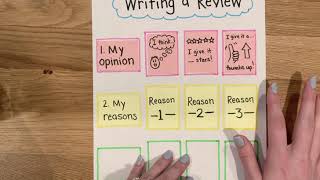
Writing Reviews Part 2: How to Write a Review
How to write a book review for kids #bookreview
How to Write a Book Review
Facts about reading comprehension and book reviews for kids
📚 Book reviews have been written for centuries — even ancient scholars critiqued stories!
🧐 A strong critique looks at the plot, characters, and explains why you liked or didn’t like the book.
✍️ Writing a review helps you remember the story better and becomes great practice for clear writing.
🏆 Many famous children’s book awards (like the Newbery) begin with readers and judges critiquing dozens of books.
🔎 A good summary is short: it keeps the main events and themes without getting lost in tiny details.
How do I teach my child to write a book critique?
What materials do I need to critique a book?
What ages is this activity suitable for?
What are the benefits of writing book critiques?
