Create Home Made Blubber!
Make a blubber glove using vegetable shortening in sealed bags and test insulation by comparing hand warmth in ice water with and without it.
About this activity
Make a blubber glove using vegetable shortening in sealed bags and test insulation by comparing hand warmth in ice water with and without it.
What you need
Step by step
- 1
Step 1
Gather all your materials and put them on a table where you can work safely.
- 2
Step 2
Fill two large bowls about three-quarters full with cold tap water.
- 3
Step 3
Add lots of ice cubes to both bowls until the water is very cold.
- 4
Step 4
Spoon about 2 tablespoons of vegetable shortening into one resealable plastic bag.
- 5
Step 5
Seal the shortening-filled bag tightly and press out extra air.
- 6
Step 6
Slide the sealed shortening bag into a second resealable bag.
- 7
Step 7
Seal the second bag tightly so the shortening bag stays inside and cannot leak.
- 8
Step 8
Make the control glove by placing two clean resealable bags one inside the other.
- 9
Step 9
Put your non-blubber hand into the nested empty bags to make the control glove.
- 10
Step 10
Submerge the control-gloved hand into the first icy bowl and count to 30 slowly.
- 11
Step 11
Remove the control hand from the water and dry it with the towel.
- 12
Step 12
Put your other hand into the blubber glove you made with the shortening bag inside.
- 13
Step 13
Submerge the blubber-gloved hand into the second icy bowl and count to 30 slowly.
- 14
Step 14
Remove the blubber-gloved hand and compare which hand felt warmer and why you think that happened.
- 15
Step 15
Share a photo and what you learned about your blubber glove experiment on DIY.org.
Fun facts
How do you make a homemade blubber glove and test it in ice water?
To make a blubber glove, spoon 2–3 tablespoons of vegetable shortening into a quart-size resealable bag and spread it so the inside is coated. Remove excess air and seal; put that bag inside a second resealable bag and seal again (double-bagging keeps hands clean). Fill a bowl with ice water. Test: put one bare hand in the ice water and time sensation, then wear the blubber glove and compare warmth, tolerance, and observations.
What materials do I need for the blubber glove experiment?
You'll need vegetable shortening, two strong resealable bags (quart size), a bowl, ice and cold water, paper towels, and an adult for supervision. Optional: a timer or stopwatch, thermometer to measure water temperature, markers and paper to record results, and gloves if you prefer to avoid touching the bags directly. Avoid thin bags that might tear and bring a towel to dry hands between trials.
What ages is the blubber glove activity suitable for?
This experiment is great for ages 4 and up with adult supervision. Preschoolers (4–6) will need help filling and sealing bags and steady guidance in the ice-water step. Ages 7–10 can follow steps more independently and record observations; older kids can design fair tests and measure temperature or time. Adjust complexity to attention span and fine-motor skills; always supervise anytime ice water and plastic bags are used.
What are the benefits and safety tips for the blubber glove experiment?
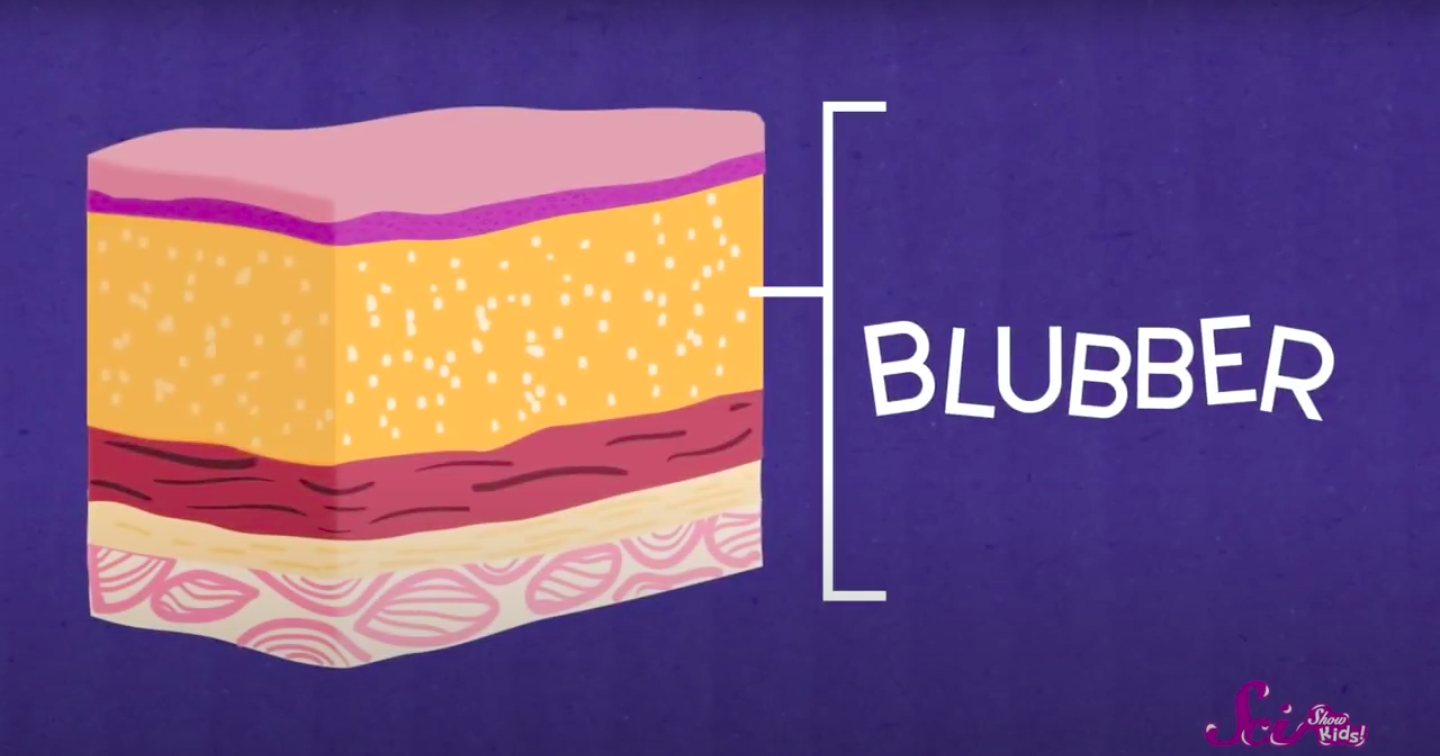
Benefits: this hands-on activity demonstrates how animal blubber insulates against cold, teaches observation, prediction, and simple measurements. Safety tips: always have an adult oversee the experiment, double-bag the shortening to prevent leaks, test bag strength before use, and avoid putting very young children unsupervised near ice water. Rinse hands and discard shortening in the trash (not down the sink). Consider variations like different bag thicknesses or using oil to compare insulation
Watch & Learn
Need help?
If I don't have vegetable shortening, what can I use instead?
Use about 2 tablespoons of solid coconut oil in the sealed inner resealable bag as a substitute for vegetable shortening when making the blubber glove.
My shortening bag started leaking — what should I do?
If the inner shortening bag leaks, dry your hands, transfer the shortening into a fresh resealable bag pressing out extra air, slide it into a second bag, and make sure both seals are fully closed before repeating the submersion steps.
How can I adapt the activity for different ages?
For younger kids have an adult pre-fill the two ice bowls and prepare the blubber glove while shortening the submersion count to 10, and for older kids increase the 30-second counts and experiment with different shortening amounts to compare which hand felt warmer.
How can we extend or personalize the blubber experiment?
Try changing the amount of shortening (1–3 tablespoons), add a thin wool glove over the blubber bag as a comparison insulating layer, measure the bowl temperatures before and after each trial, and share your favorite photo and results on DIY.org.