Create a Fruit Character
Make a playful fruit character using craft supplies, drawing faces and outfits, then tell its story to practice creativity and storytelling.
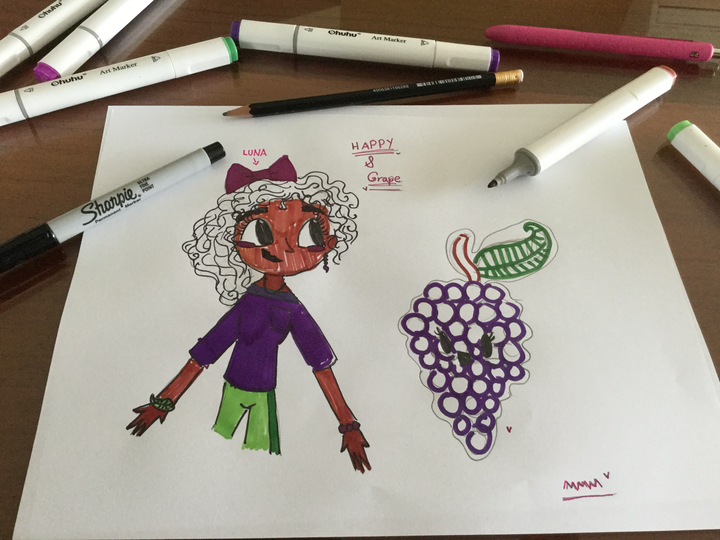
About this tutorial
Make a playful fruit character using craft supplies, drawing faces and outfits, then tell its story to practice creativity and storytelling.
What you need
Instructions
- 1
Step 1
Choose one fruit to be your character and place it on a clean table so you are ready to begin.
- 2
Step 2
Decide your character's name and say it out loud to make it real.
- 3
Step 3
Pick one personality trait for your fruit like brave funny or sleepy and imagine how it would look.
- 4
Step 4
Use a pencil to draw a face and simple outfit shapes on colored paper.
- 5
Step 5
Color the face and outfit pieces with your coloring materials.
- 6
Step 6
Carefully cut out the face and outfit pieces from the paper.
- 7
Step 7
Attach the paper face and outfit pieces to the fruit using glue or tape.
- 8
Step 8
Twist pipe cleaners to make arms or hair and attach them to the fruit.
- 9
Step 9
Add details like googly eyes stickers or small fabric scraps to decorate your character.
- 10
Step 10
Tell one short story sentence about your fruit character out loud describing something it loves or does.
- 11
Step 11
Share your finished fruit character on DIY.org
Fun facts
How do I make a playful fruit character and help my child tell its story?
Start by choosing a fruit (apple, banana, orange) and cleaning it. Sketch a face on paper or directly with non-toxic markers; attach googly eyes, felt outfits, or paper hats with tape or toothpicks. Use pipe cleaners for arms and stickers for accessories. Name your character, decide a personality and a simple problem, then prompt the child to tell a beginning, middle, and end. Encourage voices, gestures, and asking questions to extend the story.
What materials do I need to create a fruit character craft?
You'll need fresh fruit (apple, banana, orange), non-toxic markers or paints, construction paper or felt, glue or double-sided tape, scissors, googly eyes or stickers, pipe cleaners or clean toothpicks, and optional ribbons or washable paints. Have adult supervision for small parts. For a lasting version, use foam or plastic fruit and craft glue. Keep wet wipes or a paper towel handy for quick cleanup.
What ages is making a fruit character suitable for?
This activity suits toddlers through pre-teens with adult support. Ages 2–3 can enjoy simple decorating with stickers and adult help handling scissors or small parts. Ages 4–6 can draw faces and join basic storytelling. Ages 7–10 can design outfits, add details, and invent longer stories. Ages 11+ can script, act out, or record their fruit character’s tale. Always supervise young children and avoid small choking hazards.
What are the benefits and safety tips for making fruit characters?
Making fruit characters builds creativity, fine motor skills, language, and storytelling confidence. It encourages imagination, problem-solving, and social interaction when children share stories. For safety, avoid sharp toothpicks with toddlers, keep small decorations away from under-three children, and check for food allergies. Use foam or plastic fruit if you want a non-perishable option, and supervise glue, scissors, and edible fruit handling to prevent accidental ingestion of craft supplies
Watch & Learn
Need help?
What can we use if we don't have pipe cleaners, colored paper, googly eyes, or glue?
Use twist ties or short pieces of yarn twisted onto a toothpick instead of pipe cleaners, color plain white paper with crayons if you lack colored paper, draw eyes or use stickers in place of googly eyes, and use tape or double-sided tape to attach the paper face and outfit to the fruit instead of glue.
The paper face keeps peeling off and the fruit rolls away—how do we fix that?
If the paper pieces peel off or the fruit rolls, press the face and outfit on with tape or double-sided tape rather than wet glue and stabilize the fruit by nesting it in a shallow bowl or using a small dab of putty under it before attaching pipe cleaners or decorations.
How can we change the activity for younger kids or make it more challenging for older children?
For toddlers, pre-cut the face and outfit shapes and let them stick pieces on with tape and choose a simple personality and name, while older kids can draw and color detailed outfits, sew fabric scraps, twist more complex pipe cleaner armatures, and write a longer story sentence to share.
What are some fun ways to extend or personalize our fruit character project?
Extend the activity by building a cardboard diorama stage, recording a short spoken story about what the fruit loves, creating a whole family of fruit characters with different traits and costumes, or adding props and photographing the final scene to share on DIY.org.