Build an Egg Parachute
Design and build an egg parachute using plastic bags, string, and lightweight materials to protect a hard-boiled egg during a drop test.
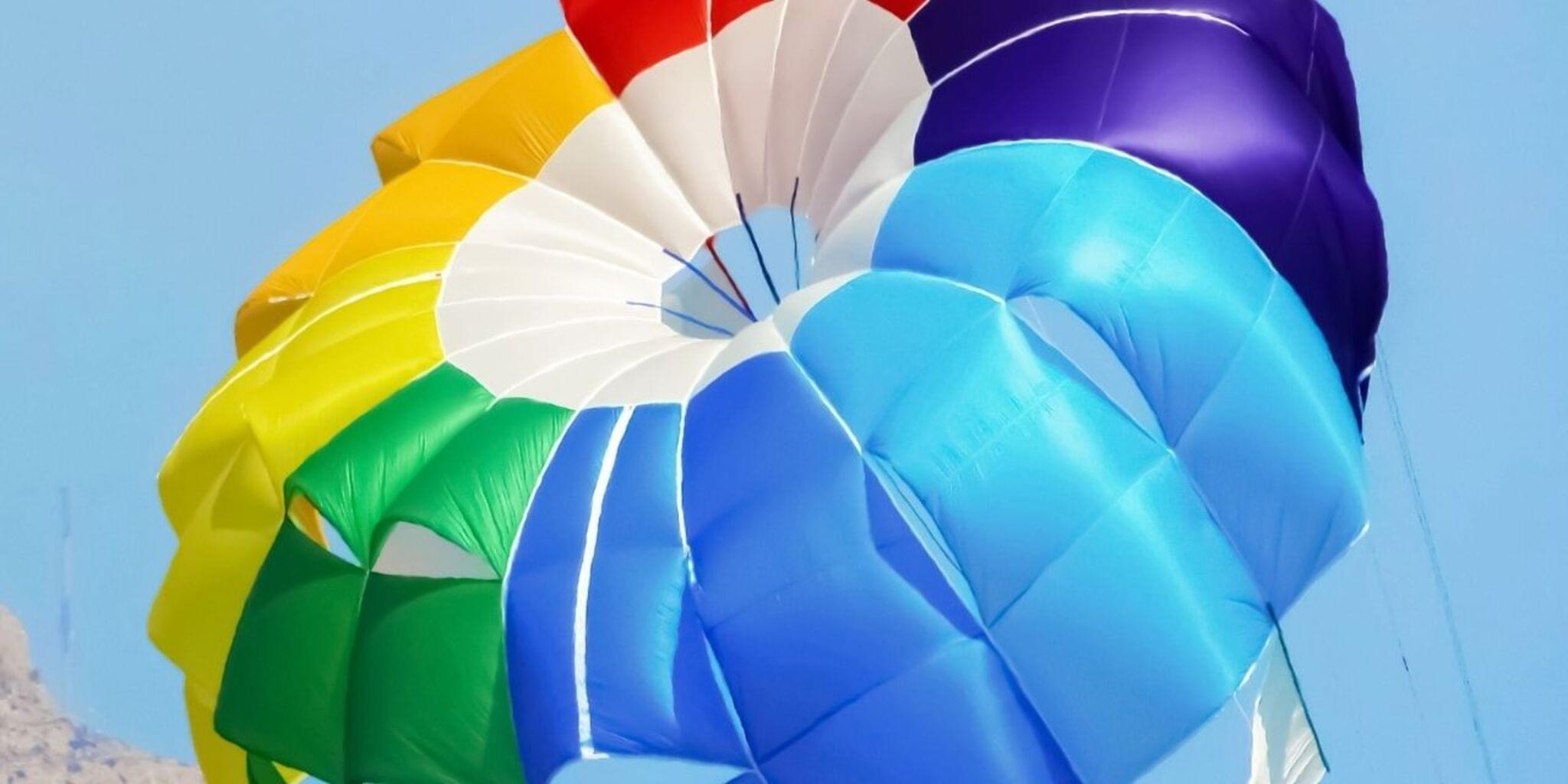
About this activity
Design and build an egg parachute using plastic bags, string, and lightweight materials to protect a hard-boiled egg during a drop test.
What you need
Step by step
- 1
Step 1
Gather all your materials and clear a flat workspace.
- 2
Step 2
Cut a square from the plastic bag about 40 centimeters across to make the parachute canopy.
- 3
Step 3
Cut four equal lengths of string about 30 centimeters each.
- 4
Step 4
Tie one end of each string securely to a different corner of the plastic square.
- 5
Step 5
Wrap the hard-boiled egg gently in the lightweight cushioning to form a soft cradle.
- 6
Step 6
Use tape to secure the cushioning so the egg stays snug in the cradle.
- 7
Step 7
Tie the free ends of the four strings to the egg cradle so the egg hangs centered under the canopy.
- 8
Step 8
Hold the parachute by the canopy and adjust the string lengths so the egg hangs level about 10 to 15 centimeters below the canopy.
- 9
Step 9
Choose a safe drop spot and place a pillow or blanket as a soft landing area.
- 10
Step 10
With adult supervision, drop your parachute from about one meter and watch how it falls.
- 11
Step 11
Inspect the egg carefully for cracks after the drop.
- 12
Step 12
If the egg cracked, add more cushioning around the egg and re-tape the cradle.
- 13
Step 13
With adult supervision, repeat the drop from a higher safe spot when your parachute looks ready.
- 14
Step 14
Share a photo and description of your finished egg parachute on DIY.org.
Fun facts
How do you build an egg parachute for a drop test?
Start by choosing a plastic bag or lightweight fabric for the canopy. Cut the bag into a square, punch or cut four evenly spaced holes near the corners, and tie equal-length strings to each corner. Secure the other ends to a small cup or padded nest that holds a hard-boiled egg snugly. Test drops from low heights, watch how the canopy opens, then adjust string length, canopy size, or padding until the egg survives higher drops.
What materials do I need to make an egg parachute?
Gather plastic grocery bags or a lightweight plastic sheet, string or thin yarn, scissors, tape, and a small cup or paper cone to hold the egg. Use soft padding like cotton, tissue, or bubble wrap to cushion the hard-boiled egg. Optional items: a ruler to measure string lengths, a marker to mark canopy size, and weights (paper clips) to fine-tune descent speed. Always have an adult help with cutting and boiling.
What ages is the egg parachute activity suitable for?
This activity suits a wide range: preschoolers (5–6) with close adult help; elementary kids (7–11) can design and build with some supervision; older children (12+) can experiment independently with measurements and iterations. Younger children will enjoy decorating and assembling simple designs, while older students can test variables like canopy size and string length for STEM learning. Adult supervision is recommended for scissors and boiling eggs.
What are the benefits and safety tips for egg parachute experiments?
Egg parachutes teach basic engineering, cause-and-effect, creativity, and problem-solving while improving fine motor skills. For safety, use hard-boiled eggs to avoid raw spills, work over an outdoor or easy-to-clean area, and always supervise cutting or tying. Start with low drops and gradually increase height. Encourage testing and iteration—change canopy size, string length, or padding to learn how each factor affects the egg's fall.
Watch & Learn
Need help?
What can we use if we don't have the plastic bag, string, or lightweight cushioning listed in the materials?
If you don't have a plastic bag for the canopy use a light cotton handkerchief or a garbage bag, replace the four 30 cm strings with yarn, dental floss, or shoelaces, and use cotton balls, crumpled tissue, or bubble wrap as the lightweight cushioning to wrap the hard‑boiled egg.
The egg keeps tilting or the parachute collapses—what should we check or fix?
Retie the four corner knots so each string is secure and equal in length, adjust them so the egg hangs level about 10 to 15 centimeters below the canopy, and add more cushioning and tape around the egg cradle if the egg bounces or cracks on impact.
How can we adapt this activity for younger kids or older kids?
For preschoolers have an adult cut the 40 cm canopy and tie the strings and use a plastic or play egg with very low drops onto a pillow, while older kids can cut different canopy sizes, experiment with string lengths and repeat drops from higher safe spots to test designs.
How can we extend or personalize the egg parachute project after the basic build?
Decorate the parachute canopy before tying the strings, try adding a small weight or extra layers to the canopy to stabilize the fall, test different cushioning combinations and canopy sizes, and then share a photo and description of your finished egg parachute on DIY.org.