Best Handwriting Contest
Practice neat, legible handwriting by copying sentences, designing a handwriting entry, and comparing results in a friendly contest judged for clarity and style.
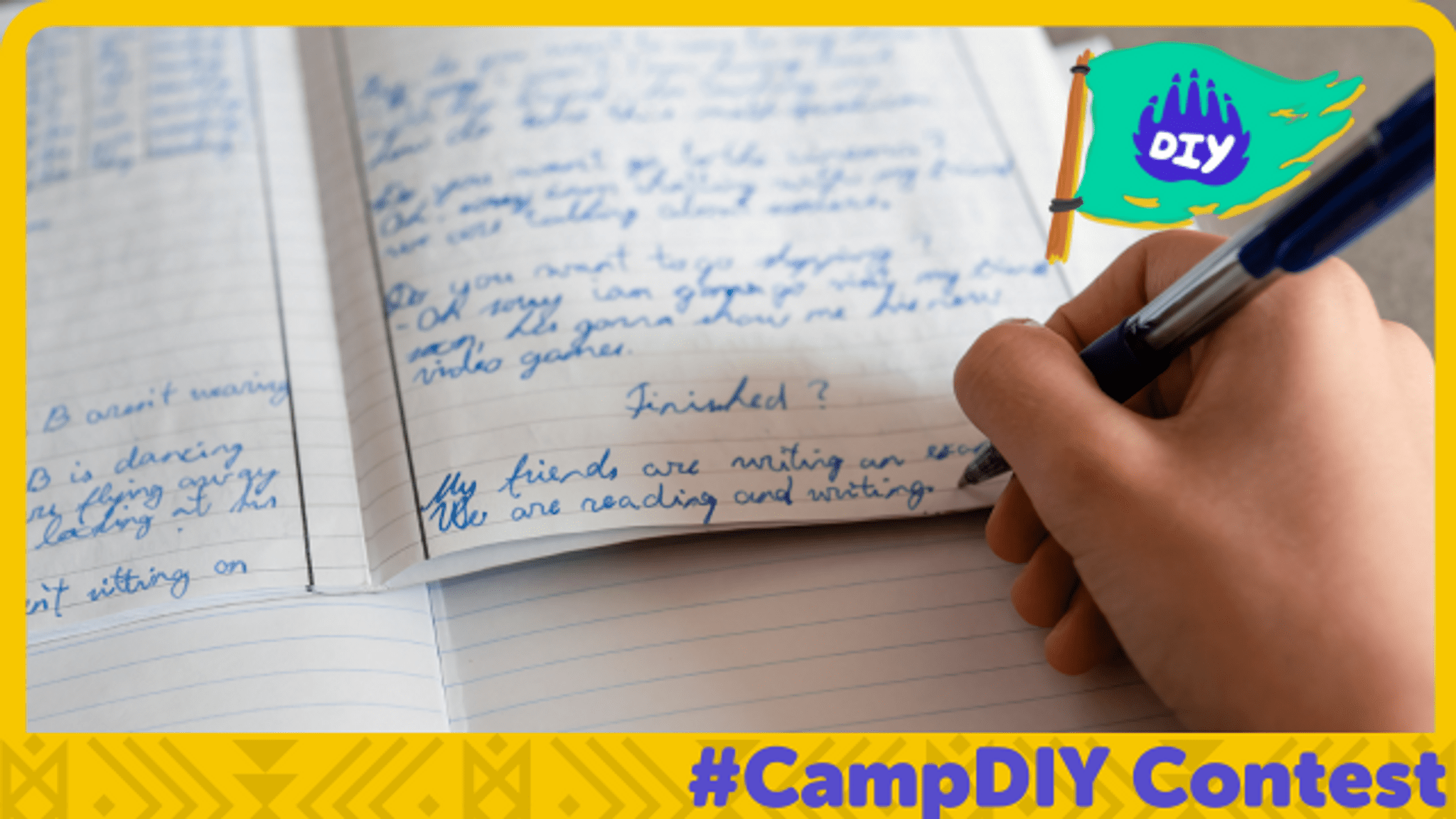
About this activity
Practice neat, legible handwriting by copying sentences, designing a handwriting entry, and comparing results in a friendly contest judged for clarity and style.
What you need
Step by step
- 1
Step 1
Gather all Materials Needed and bring them to a flat table or desk.
- 2
Step 2
Sit up straight and place your paper so your hand can move freely.
- 3
Step 3
Do five warm-up strokes on scrap paper such as big loops straight lines and zigzags to loosen your hand.
- 4
Step 4
Pick three short sentences to copy that include lots of different letters for practice.
- 5
Step 5
On lined paper copy the first sentence slowly making each letter clear and even.
- 6
Step 6
Copy the second and third sentences on the same page trying to improve your spacing and neatness with each copy.
- 7
Step 7
Look over your practice lines and circle the single best line you like the most.
- 8
Step 8
Use the ruler to draw light margins on a clean piece of plain paper to make your official entry space.
- 9
Step 9
Carefully write your chosen best sentence in the center area of the official paper using the style you practiced.
- 10
Step 10
Add a neat title at the top and write your name clearly below the writing.
- 11
Step 11
Decorate the borders with coloring materials being careful not to cover your handwriting.
- 12
Step 12
With your friend or family compare all entries and choose the winner by judging legibility spacing and style.
- 13
Step 13
Share your finished handwriting entry on DIY.org
Fun facts
How do I run a Best Handwriting Contest with my child?
To run a Best Handwriting Contest, choose a few short, age-appropriate sentences and print them on a worksheet for copying. Give children time to practice, then have them write a final entry on lined paper or a template. Set simple judging rules—legibility, spacing, consistency, and style—and use anonymous entries if possible. Compare results in a friendly way, offer constructive feedback, and celebrate everyone with small prizes or certificates to encourage improvement.
What materials do I need for a Best Handwriting Contest?
Gather lined paper or handwriting templates, pencils, erasers, fine-tip pens, and a ruler for margins. Provide sample sentences, practice sheets, and alphabet guides for younger children. Have a timer, judging score sheets or a simple rubric, name tags (optional), and stickers or certificates for awards. A clipboard or flat surface helps with neat writing. Most items are basic school supplies you likely already have at home.
What ages is a Best Handwriting Contest suitable for?
A handwriting contest works well for children aged about 5 to 12. For younger kids (5–7), use wide-ruled paper and focus on letter formation and spacing. Older children (8–12) can work on cursive, consistent slant, and style variations. Adjust sentence length and judging criteria to match developmental levels, and provide supervision and encouragement to keep the activity positive and fun for every age.
What are the benefits of doing a Best Handwriting Contest with kids?
A handwriting contest builds fine motor skills, attention to detail, and patience while making practice fun through friendly competition. It boosts confidence as kids see improvement and receive recognition. Judging for clarity and style encourages self-expression and pride in presentation. Regular short contests can improve legibility, writing speed, and classroom readiness, all while promoting constructive feedback and celebrating effort rather than just winning.
Watch & Learn
Need help?
What can we use if we don't have a ruler, lined paper, or coloring materials?
If you don't have a ruler use the straight edge of a hardcover book or a piece of cardboard to draw light margins, and if you lack lined paper lightly pencil guide lines on plain paper and substitute stickers or cut-paper shapes for coloring materials when decorating the borders.
My letters look shaky or my spacing is off when copying the sentences — how can we fix this?
If letters are shaky or spacing is uneven while you copy the first, second, or third sentence, do extra warm-up strokes on scrap paper, slow your writing for the first sentence, and lightly mark spacing ticks or use your finger as a spacer before choosing and circling your best line.
How can we adapt the activity for younger or older children?
For younger children use larger lined paper or draw wider guide lines and let them trace the sentences with a thick marker, while older kids can practice on lined paper then transfer a neater version onto the official plain paper with light margins and try cursive or calligraphy for a tougher challenge.
How can we make the official entry more special or turn the activity into a bigger project?
To enhance the entry, add a neat hand-lettered title and your name as instructed, experiment with different pens or writing styles practiced in the three copies for variety, make a simple certificate to award the winner, and photograph the decorated official paper to share on DIY.org.