Analyze surrealist artwork
Observe and analyze surrealist artwork, discuss imagery and symbolism with guidance, then create a simple surreal collage to explore meaning and imagination.



Step-by-step guide to analyze surrealist artwork and create a surreal collage
Create Surrealist Art Like Joan Miró | Fun Lesson for Kids & Teachers
Step 1
Lay out all your materials on a table so everything is easy to reach.
Step 2
Pick two or three surrealist artworks to look at closely.
Step 3
Spend two minutes quietly looking at the first artwork and notice shapes objects people and colors.
Step 4
On scrap paper write or draw three things in the first artwork that seem strange or surprising.
Step 5
Spend one minute quietly looking at the second artwork and notice any feelings or ideas it gives you.
Step 6
On scrap paper write or draw two strange or surprising things from the second artwork.
Step 7
Talk with an adult or a friend about what the strange things might mean and listen to their ideas.
Step 8
Choose one or two image ideas from your notes that you want to use in your collage.
Step 9
Find and cut out pictures from magazines or printed images that match your chosen ideas.
Step 10
Arrange the cutouts on your paper without gluing until you like the layout.
Step 11
Add hand drawn details to connect the cutouts and make the scene feel dreamlike.
Step 12
Glue each piece down carefully so nothing moves.
Step 13
Write a short title on your collage.
Step 14
Write one sentence that explains what your collage might mean or why you chose those images.
Step 15
Share your finished creation on DIY.org.
Help!?
What can we use instead of magazines or printed images if we can't find any for the 'Find and cut out pictures from magazines or printed images' step?
Use printed family photos, old calendars, junk mail, cereal box pictures, or draw and color your own images on scrap paper as direct substitutes for magazines or printed images.
If my cutouts keep moving or the glue wrinkles the paper when I try to 'Arrange the cutouts on your paper without gluing until you like the layout' and then 'Glue each piece down carefully,' what should I do?
Temporarily hold pieces in place with small pieces of removable masking tape while you finalize the layout, then use a thin layer of glue stick or a toothpick to apply glue under edges to prevent wrinkling before pressing each piece down.
How can I adapt the observation and collage steps for different ages, like preschoolers, elementary kids, and teens?
For preschoolers shorten 'Spend two minutes' and 'one minute' observations to 20–30 seconds and give pre-cut images and help writing the title, for elementary kids keep original times and encourage independent cutting and the one-sentence meaning, and for teens extend to three artworks, longer close-looking, and more complex hand-drawn connections.
What are simple ways to enhance or personalize the collage after I 'Add hand drawn details to connect the cutouts' and finish the title and meaning before sharing?
Experiment with adding translucent tracing-paper layers, found objects glued on top, or automatic-drawing backgrounds to deepen the dreamlike feel, write a short artist statement to go with your title and one-sentence meaning, and photograph the piece to post on DIY.org.
Watch videos on how to analyze surrealist artwork and create a surreal collage
How to Make Surrealist Art
4 Videos
How to Make Surrealist Art
How to Draw Surrealist Art - Salvador Dali for Kids #art #draw #mrschuettesart
How To Start Surrealist Drawing? - Drawing and Painting Academy
How To Do Surrealism Painting? - Drawing and Painting Academy
Facts about surrealism and collage art for kids
🌀 Surrealism started in the early 1920s and aimed to explore dreams and the unconscious.
🕰️ Salvador Dalí’s famous painting The Persistence of Memory (1931) features melting clocks that bend time like a dream.
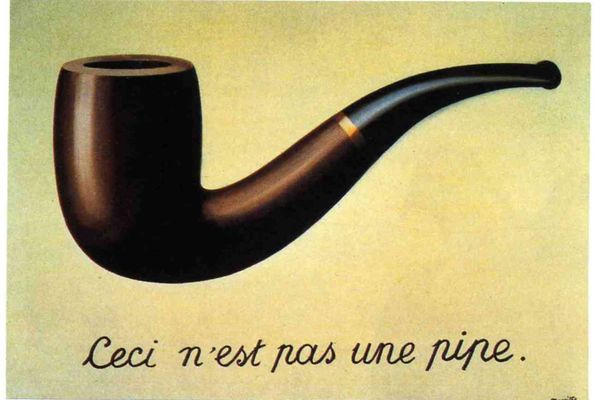
🎭 René Magritte often painted ordinary objects in strange settings — his The Treachery of Images shows a pipe with the words “Ceci n'est pas une pipe.”
✂️ Max Ernst experimented with collage and invented techniques like frottage (rubbing) and grattage (scraping) to find surprising textures.
🧩 Collage lets you combine photos, paper, fabric, and found objects to create unexpected, dreamlike images.
How do I guide my child to observe and analyze a surrealist artwork and then create a simple surreal collage?
What materials do I need to make a simple surreal collage after analyzing artwork?
What ages is this surreal art observation and collage activity suitable for?
What are the benefits of analyzing surrealist art and making a collage with my child?
