Тheropod Facts For Kids
Theropods are a fascinating clade of dinosaurs known for their hollow bones, three-toed feet, and their remarkable connection to modern birds.
Select reading age
Тheropod Facts For Kids
Videos & Quizzesincluded
About this topic
Theropods are a special group of dinosaurs that walked on two legs! 🦖They are known for their sharp teeth and amazing speed. The name "Theropoda" means "wild beast foot" in Greek. These dinosaurs lived during the Mesozoic Era, which was around 230 to 65 million years ago. Some of the most famous theropods include the fearsome Tyrannosaurus rex and the speedy Velociraptor. 🌍They are unique because they have hollow bones which made them lighter and faster. Today, we know that theropods are actually the ancestors of modern birds! 🐦
Explore with ChatDinoKey Points
Fossils are the key to learning about theropods!
Several theropods are famous for their size and skills!
Did you know that birds are the closest living relatives of theropods?
Theropods are part of our planet's history, but they are no longer around!
Theropods have an incredible evolutionary story!
Theropods were smart eaters with various diets!
Theropods lived in various habitats across the world!
Theropods had interesting physical features!
Theropods have captured our imagination and appear in many movies and books!
Theropods had unique behaviors that helped them thrive!
Photos of Тheropod
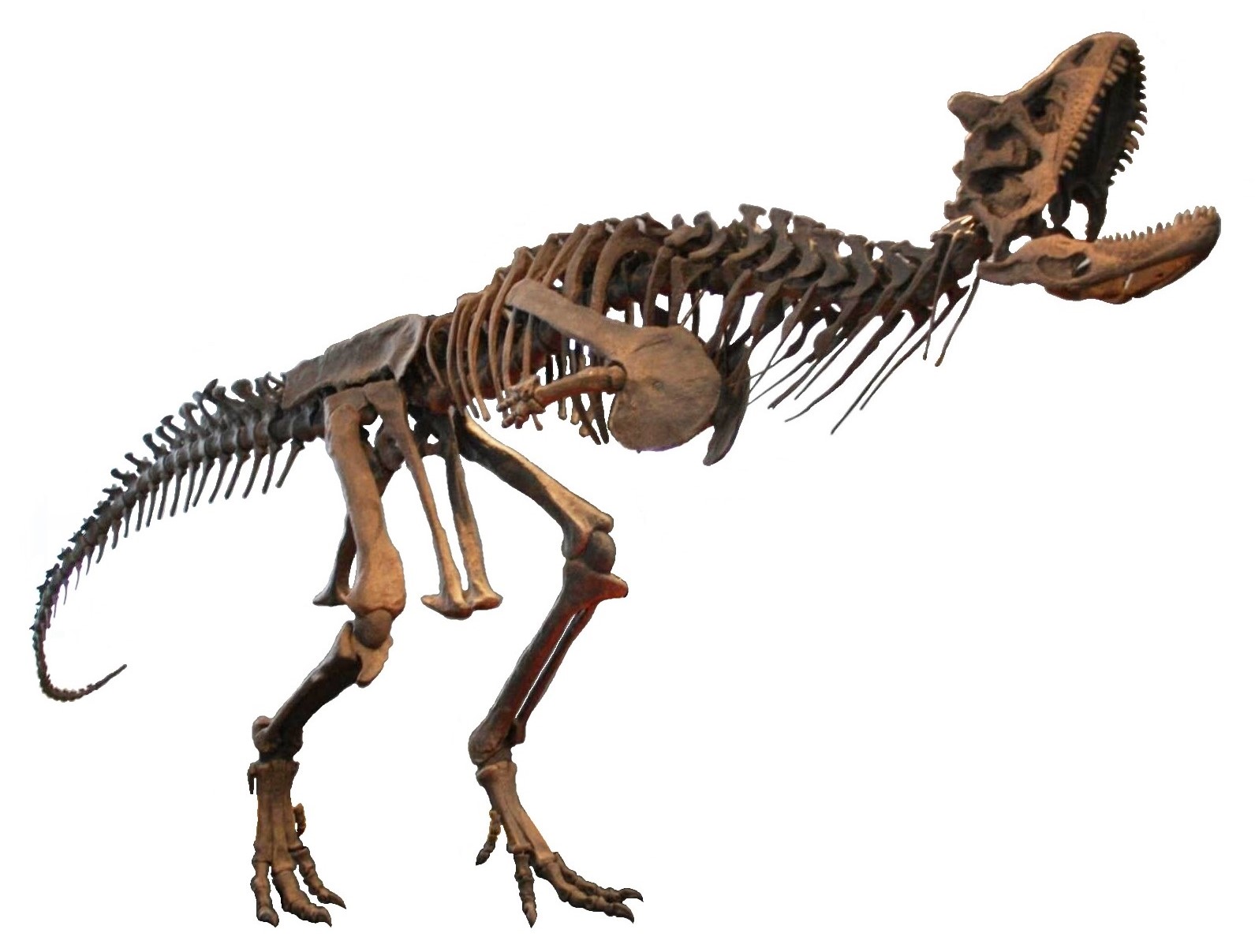
 Image by Matt Celeskey from Albuquerque, licensed under Creative Commons Attribution-Share Alike 2.0
Тheropod — photo 1

Тheropod — photo 2

Тheropod — photo 3


Тheropod — photo 5

Fossil of an Anchiornis, showing large preserved feather imprints

Size comparison of selected giant theropod dinosaurs – the longest (left) is Spinosaurus aegyptiacus, shortest (right) is Carcharodontosaurus saharicus.
🦴 Fossil Evidence
Fossils are the key to learning about theropods! 🦴Fossils consist of bones, footprints, and sometimes even feathers! We’ve discovered thousands of theropod fossils in places like the United States, Canada, and China. Each fossil tells a story about how these dinosaurs lived. Paleontologists carefully dig them up to study them and learn about their sizes and habits. 🕵️♂️ Some fossils even show signs of hunting or nesting! By piecing together these clues, we can better understand the lives of theropods and how they thrived millions of years ago! ⚒️
Go deeper🦖 Famous Theropods
Several theropods are famous for their size and skills! Tyrannosaurus rex, or T. rex, was one of the largest—sometimes reaching up to 12 feet tall! 🦖Another well-known theropod is Velociraptor, which was much smaller but super fast! 🏃♂️ Velociraptors had feathers and were known to hunt in packs. Other notable theropods include Allosaurus, Spinosaurus, and Coelophysis. Each of these dinosaurs had unique traits that helped them survive in their environments. 🚀Theropods are fascinating and had diverse shapes, sizes, and features!
Go deeper🐦 Modern Relatives
Did you know that birds are the closest living relatives of theropods? 🐦This means that today’s chickens, eagles, and penguins share an ancient connection with dinosaurs! 🦖Fossils show that many theropods had features like feathers, hollow bones, and unique traits we see in birds today. Scientists have discovered that some modern birds still exhibit behaviors like hunting in teams, just like their dino ancestors! 🦅Understanding this connection helps us appreciate the evolution of life on Earth. By observing birds, we can see how theropods adapted over millions of years! 🌍
Go deeper🦖 Conservation Status
Theropods are part of our planet's history, but they are no longer around! 🦖They went extinct around 65 million years ago, possibly due to a massive asteroid impact and volcanic activity. 🌌However, their modern relatives, birds, are thriving! It's essential to protect current bird species and their habitats today, as they share a family tree with theropods. Many bird species face threats, like habitat loss and climate change. 🌳By caring for our environment, we can help ensure their survival, keeping the spirit of theropods alive! 🌏
Go deeper🌟 Evolutionary History
Theropods have an incredible evolutionary story! They first appeared around 230 million years ago and evolved significantly over time. 🌟Early theropods were small and agile, and as they adapted, they became larger and more diverse. Scientists believe that some theropods eventually developed feathers, leading to the evolution of birds! 🐦This link shows that birds are really modern-day theropods! By studying fossils, scientists can trace their evolution and connections to current animals. The history of theropods helps us understand how life on Earth has changed! 🌏
Go deeper🥩 Diet And Feeding Habits
Theropods were smart eaters with various diets! Some, like the Tyrannosaurus rex, were big meat-eaters (carnivores) 🥩, while others, like the Oviraptor, may have snacked on eggs or plants. 🌱Velociraptors also enjoyed hunting smaller prey, showing they were great hunters! They used their sharp teeth and claws to catch food. 🦖Interestingly, some theropods were omnivores, which means they ate both plants and meat. This variety in diet helped them survive in different habitats! Every theropod had special feeding habits based on what was available. 🍔
Go deeper🌍 Habitat And Distribution
Theropods lived in various habitats across the world! 🌍They roamed the Earth during the Mesozoic Era, which included lush forests, dry deserts, and even coastal areas. Fossils have been found on every continent, showing they were widespread. Some famous theropod locations include North America, China, and Argentina! 🗺️ The landscapes they inhabited influenced their sizes and hunting styles. For instance, larger theropods thrived in open environments, while smaller ones adapted to forested areas. 🌳Each habitat shaped how these amazing dinosaurs lived!
Go deeper🦖 Physical Characteristics
Theropods had interesting physical features! Most had long legs for running and sharp claws for grabbing prey. 🦖They typically had three toes on each foot, making their tracks easy to identify. Some, like the Tyrannosaurus rex, grew to be very large—over 40 feet long! Others were much smaller, such as the feathered Microraptor, which had feathers just like birds. 🐦The skeletons of theropods were strong yet lightweight due to their hollow bones. This helped them move quickly! Overall, they were graceful and powerful creatures. 🌲
Go deeper🎬 Theropods In Popular Culture
Theropods have captured our imagination and appear in many movies and books! 🎬Think of the roaring T. rex in "Jurassic Park"—a thrilling spectacle! Velociraptors are also famous for their cleverness and speed, thrilling audiences in various stories. 📖From toys to video games, theropods are popular characters that spark curiosity about dinosaurs. They help kids learn about history in a fun way! Also, cartoons and educational shows often depict theropods, making them entertaining and informative! 🦕The excitement around these dinosaurs keeps them alive in our culture today!
Go deeper👫 Behavior And Social Structure
Theropods had unique behaviors that helped them thrive! Many theropods were social creatures and enjoyed living in groups. 👫For example, Velociraptors might have hunted together to catch larger prey! They also showed signs of parental care—taking care of their eggs and young. Observing their fossils suggests they were smart and used teamwork to hunt. 🦖Other theropods, however, were solitary, hunting for food on their own. 🏞️ Overall, their behavior varied, but they were all skilled hunters with interesting social structures!
Go deeper