Zinnia Facts For Kids
Zinnia is a vibrant genus of flowers in the Asteraceae family, known for their long-lasting blooms and ability to attract pollinators.
Select reading age

Zinnia Facts For Kids
Videos & Quizzesincluded
About this topic
Zinnias are bright, colorful flowers that belong to the Asteraceae family! 🌼They come in many shades like red, pink, yellow, and orange. These pretty plants grow all around the world, especially in warm climates. They are named after a German botanist named Johann Gottfried Zinn, who lived in the 18th century! Zinnias are popular for gardens because they attract butterflies and bees, making them great for nature lovers! 🦋🐝 With their bold colors and easy-growing habits, zinnias make any garden look more cheerful and inviting!
Explore with ChatDinoKey Points
There are several popular species of zinnias, each offering different colors and characteristics!
Zinnias can sometimes attract pests, but don't worry—they're usually easy to manage!
Zinnias are fantastic for adding color to gardens and landscapes!
Growing zinnias is super easy and fun!
In many cultures, zinnias symbolize friendship and endurance!
You can grow zinnias from seeds or cuttings!
Zinnias are not just pretty flowers; they are fascinating too!
Zinnias belong to the genus "Zinnia," which is part of the Heliantheae tribe within the Asteraceae family.
Zinnias thrive in warm areas with plenty of sunshine!
Zinnias are dazzling flowers that can grow between 1 to 3 feet tall!
Photos of Zinnia

Stereoscopic picture of Zinnia seeds.
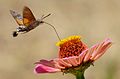
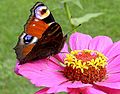


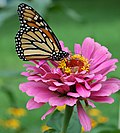
Zinnia — photo 7

A zinnia flower blooming inside the cupola of the International Space Station, having germinated and grown in microgravity.
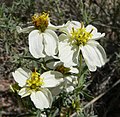
🌺 Common Species
There are several popular species of zinnias, each offering different colors and characteristics! 🌺Here are a few:
1. Zinnia elegans (Common Zinnia): It has large blooms in many colors and is often used in gardens.
2. Zinnia angustifolia (Narrowleaf Zinnia): This type has smaller flowers and narrower leaves.
3. Zinnia haageana (Mexican Zinnia): Known for its unique, vibrant flowers and compact growth.
These species are perfect for gardens, attracting butterflies and adding vibrant colors to any landscape! 🌈
Go deeper1. Zinnia elegans (Common Zinnia): It has large blooms in many colors and is often used in gardens.
2. Zinnia angustifolia (Narrowleaf Zinnia): This type has smaller flowers and narrower leaves.
3. Zinnia haageana (Mexican Zinnia): Known for its unique, vibrant flowers and compact growth.
These species are perfect for gardens, attracting butterflies and adding vibrant colors to any landscape! 🌈
🐛 Pests And Diseases
Zinnias can sometimes attract pests, but don't worry—they're usually easy to manage! 🐛Common pests include aphids and spider mites, which can cause damage. To help control them, you can spray water on the plants or use insecticidal soap. It's also important to keep your zinnias healthy by watering and giving them enough sunlight! 🌞Sometimes zinnias can get diseases like powdery mildew or zinnia stem rot, often caused by wet conditions. Ensure good airflow around the plants and water them at the base to keep them safe!
Go deeper🌻 Uses In Landscaping
Zinnias are fantastic for adding color to gardens and landscapes! 🌻You can use them in flower beds, borders, or container gardens. They are also perfect for creating beautiful bouquets! 🌼Zinnias attract pollinators, which helps other plants in your garden by spreading pollen. Many gardeners plant zinnias alongside vegetables and herbs because they can help keep pests away. 🌿Plus, their bright colors make them a favorite for pollinators like bees and butterflies! Zinnias can brighten up any space and are loved by both kids and adults!
Go deeper🌱 Cultivation And Care
Growing zinnias is super easy and fun! 🌱You can start by planting seeds in well-drained soil when the threat of frost has passed. They prefer full sunlight—at least 6 hours a day. Water them regularly, especially during dry spells, but don't overwater! 💧To encourage blooming, deadhead the flowers by cutting off old blooms. This helps the plants make more flowers. Zinnias usually thrive without many chemicals, but organic fertilizers can help them grow even more! Get ready for some colorful blooms in your garden! 🌈
Go deeper🤝 Cultural Significance
In many cultures, zinnias symbolize friendship and endurance! 🤝They are often gifted to friends as a sign of appreciation. In Mexico, the zinnia is recognized for its beauty and is part of traditional celebrations. 🥳Some communities have Zinnia Festivals, where people gather to celebrate the colorful flowers with parades, music, and art! 🎉Since they thrive in sunny conditions, zinnias are also associated with joy and happiness! Their bright colors can brighten anyone's day and bring smiles to faces! 😊
Go deeper🌱 Propagation Techniques
You can grow zinnias from seeds or cuttings! 🌱The easiest method is to start with seeds. Plant them in well-drained soil after the last frost in spring. To grow new plants from cuttings, take a healthy stem from an existing zinnia and put it in water until roots form. Once the roots are strong, plant them in the soil! 🌼Zinnias can also self-seed, meaning they drop seeds that will grow into new plants next year, making them fun and easy to propagate!
Go deeper🌸 Fun Facts About Zinnias
Zinnias are not just pretty flowers; they are fascinating too! 🌸Did you know zinnias can bloom in so many vibrant colors? Some flowers can mix two colors, creating beautiful patterns! 🎨They are also drought-tolerant, meaning they can survive even when water is limited. Zinnias can grow in different kinds of soil and are great for both beginner and experienced gardeners! 🌿Additionally, they are cut-and-come-again flowers, which means if you cut them, they will bloom again! Isn't that amazing? Enjoy planting zinnias for bright and cheerful gardens! 🌼
Go deeper🌿 Botanical Classification
Zinnias belong to the genus "Zinnia," which is part of the Heliantheae tribe within the Asteraceae family. 🌿Asteraceae is the largest flowering plant family, with over 23,000 species! Zinnias are native to Mexico and the southwestern United States but have spread worldwide. There are several types of zinnias, such as Zinnia elegans (Common Zinnia) and Zinnia angustifolia (Narrowleaf Zinnia). Each type has unique flowers, shapes, and sizes, providing variety for gardeners! 🌎All these zinnias make your garden colorful and fun!
Go deeper☀️ Habitat And Distribution
Zinnias thrive in warm areas with plenty of sunshine! ☀️ They are native to Mexico, where they grow in open, grassy areas. Nowadays, zinnias can be found in gardens and parks across the globe! They love well-drained soil and can tolerate drought, making them great for many climates. 🌍You can spot zinnias in places like the United States, South America, and even Europe! Zinnias grow best in USDA plant hardiness zones 3 to 10. They are perfect for sunny spots in any garden!
Go deeper🌻 Physical Characteristics
Zinnias are dazzling flowers that can grow between 1 to 3 feet tall! 🌻The leaves are green and pointy, while the flower heads can be as big as 6 inches wide! They bloom from summer through fall, making your garden vibrant when other flowers are fading. 🌼Zinnias have many petals; some look like daisies, while others are shaped more like pom-poms! However, the center of the flower usually has little seeds grouped together. These flowers also have a nice smell that attracts pollinators! 🌺
Go deeper